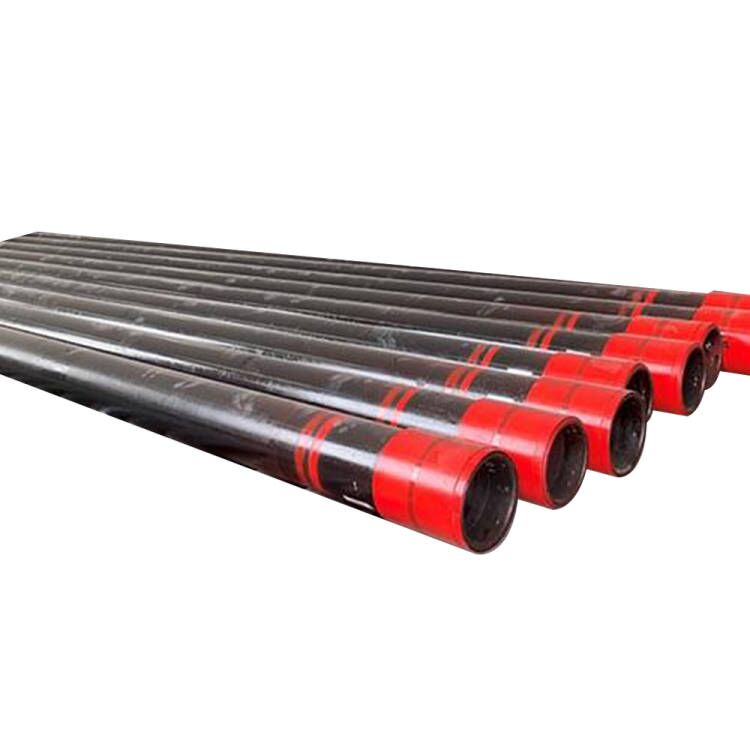
সেরা তেলের আবরণ উপাদান নিয়ে গভীরভাবে বিরক্তি: একটি ব্যাপক নির্দেশিকা
সঠিক তেল আবরণ উপাদান নির্বাচন করা তেল ও গ্যাস শিল্পে একটি গুরুত্বপূর্ণ সিদ্ধান্ত, ভাল অখণ্ডতা, দীর্ঘায়ু, এবং সামগ্রিক অপারেশনাল সাফল্যকে প্রভাবিত করে৷ নির্বাচন প্রক্রিয়ায় পরিবেশগত অবস্থা থেকে যান্ত্রিক বৈশিষ্ট্য পর্যন্ত বিভিন্ন কারণের সতর্কতামূলক বিবেচনা জড়িত। এই বিস্তৃত নির্দেশিকাটির লক্ষ্য হল তেলের আবরণ সামগ্রীর জটিলতার মধ্য দিয়ে নেভিগেট করা, প্রকৌশলী এবং সিদ্ধান্ত গ্রহণকারীদের জন্য একইভাবে স্পষ্টতা প্রদান করা। অতএব, ব্যবহৃত উপাদান অবশ্যই উচ্চতর যান্ত্রিক শক্তি এবং জারা প্রতিরোধের প্রদর্শন করবে। সাধারণত ব্যবহৃত উপকরণগুলির মধ্যে, কার্বন ইস্পাত তার খরচ-কার্যকারিতা এবং মাঝারি অবস্থায় পর্যাপ্ত কর্মক্ষমতা জন্য দাঁড়িয়েছে। যাইহোক, কঠোর পরিবেশে যেখানে ক্ষয় একটি উদ্বেগের বিষয়, স্টেইনলেস স্টীল এবং নিকেল অ্যালয়েসের মতো জারা-প্রতিরোধী অ্যালয় (CRAs) বর্ধিত সুরক্ষা এবং দীর্ঘায়ু প্রদান করে। . উদাহরণস্বরূপ, নোনা জলের পরিবেশে অফশোর ড্রিলিংয়ের জন্য এমন উপাদানের প্রয়োজন হয় যা বর্ধিত সময়ের জন্য সমুদ্রের জলের ক্ষয়কারী প্রভাবগুলি সহ্য করতে পারে। এই ধরনের ক্ষেত্রে, ডুপ্লেক্স স্টেইনলেস স্টিল বা ইনকোনেলের মতো উচ্চ-নিকেল সংকর ধাতুগুলি তাদের শক্তিশালী জারা প্রতিরোধের বৈশিষ্ট্যের কারণে অমূল্য প্রমাণিত হয়। কাঠামোগত অখণ্ডতার সাথে আপস না করে তেলের আবরণগুলিকে অবশ্যই প্রচুর চাপের পার্থক্য সহ্য করতে হবে। কার্বন স্টিলগুলি তাদের উচ্চ প্রসার্য শক্তির জন্য পরিচিত, যা তাদের বেশিরভাগ ড্রিলিং অ্যাপ্লিকেশনের জন্য উপযুক্ত করে তোলে। বিপরীতভাবে, CRAs শক্তি এবং নমনীয়তার ভারসাম্য অফার করে, যা গভীর জলে বা অপ্রচলিত ড্রিলিং পরিস্থিতির সম্মুখীন হওয়া জটিল লোডিং পরিস্থিতি সহ্য করার জন্য গুরুত্বপূর্ণ। H2S হল একটি ক্ষয়কারী গ্যাস যা প্রায়শই টক জলাধারে পাওয়া যায়, প্রয়োজনীয় উপাদান যা সালফাইড স্ট্রেস ক্র্যাকিং (এসএসসি) প্রশমিত করতে পারে। মার্টেনসিটিক স্টেইনলেস স্টীল এবং নিকেল অ্যালয়গুলি তাদের H2S-জনিত জারা সহজাত প্রতিরোধের কারণে পছন্দসই পছন্দ, যা দীর্ঘায়িত ভাল জীবন এবং কর্মক্ষম নিরাপত্তা নিশ্চিত করে। যদিও সিআরএগুলি ক্ষয়কারী পরিবেশে উচ্চতর কার্যকারিতা অফার করে, তাদের উচ্চতর প্রাথমিক খরচ অবশ্যই কম রক্ষণাবেক্ষণ এবং দীর্ঘ পরিষেবা জীবন থেকে সম্ভাব্য সঞ্চয়ের বিপরীতে ওজন করা উচিত। কার্বন স্টিলগুলি তাদের সাধ্যের মধ্যে এবং কম চাহিদাপূর্ণ পরিস্থিতিতে পর্যাপ্ত কর্মক্ষমতার জন্য জনপ্রিয় রয়েছে, যা অনেক ড্রিলিং অপারেশনের জন্য তাদের একটি বাস্তবসম্মত পছন্দ করে তুলেছে। অফশোর ড্রিলিংয়ে ওজন হ্রাস বা ভূ-তাপীয় অ্যাপ্লিকেশনগুলিতে চরম তাপমাত্রার প্রতিরোধের বর্ধিত প্রতিরোধের মতো নির্দিষ্ট চ্যালেঞ্জগুলি মোকাবেলায় উন্নত কম্পোজিট এবং হাইব্রিড উপকরণগুলি তৈরি করা হচ্ছে। এই উদ্ভাবনগুলি তেল ও গ্যাস অনুসন্ধানে দক্ষতা, নিরাপত্তা এবং স্থায়িত্ব উন্নত করার জন্য শিল্পের প্রতিশ্রুতিকে আন্ডারস্কোর করে। প্রতিটি উপাদান স্বতন্ত্র সুবিধা প্রদান করে যা ড্রিলিং প্রকল্পের নির্দিষ্ট চাহিদার সাথে সারিবদ্ধ হওয়া আবশ্যক। উপকরণ প্রকৌশলীদের সাথে পরামর্শ করা এবং ভবিষ্যদ্বাণীমূলক মডেলিং সরঞ্জামগুলিকে কাজে লাগানো জ্ঞাত সিদ্ধান্ত গ্রহণে সহায়তা করতে পারে যা কার্যকারিতা অপ্টিমাইজ করে এবং ভাল অখণ্ডতার সাথে সম্পর্কিত ঝুঁকিগুলি হ্রাস করে৷ পুঙ্খানুপুঙ্খ বিশ্লেষণ এবং দক্ষতা সর্বোত্তম ফলাফল নিশ্চিত করে। বিভিন্ন উপকরণের অনন্য বৈশিষ্ট্য এবং প্রয়োগগুলি বোঝার মাধ্যমে, স্টেকহোল্ডাররা তেল এবং গ্যাস অনুসন্ধানের জটিলতাগুলিকে আত্মবিশ্বাসের সাথে নেভিগেট করতে পারে, জেনে যে তাদের পছন্দ সমালোচনামূলক ড্রিলিং অপারেশনগুলির দীর্ঘায়ু এবং দক্ষতায় অবদান রাখে৷
কিভাবে সঠিক তেলের আবরণ চয়ন করবেন: নতুনদের জন্য টিপস এবং কৌশল
তেল আবরণ নির্বাচন সহজ করা হয়েছে: মনের শান্তির জন্য বিবেচনা করার বিষয়গুলি
Gravely fretting about Oil Casing choice? Look here for happiness.
Choosing the right oil casing is a critical decision in the Oil and Gas industry, with implications for well integrity, safety, and operational efficiency. For beginners navigating this complex terrain, understanding the key factors can make a significant Difference in project success.
Firstly, consider the well’s depth and geological conditions. Different formations and depths require varying casing strengths and Materials. For shallow wells in stable formations, lighter casings may suffice, whereas deeper wells or tHose in unstable formations demand stronger, corrosion-resistant materials like alloy Steels or even Titanium Alloys.
Next, evaluate the pressure and temperature conditions of the reservoir. high-pressure environments necessitate thick-walled casings to withstand the internal stresses, while extreme temperatures might call for materials with excellent thermal stability to prevent deformations or failures over time.
Furthermore, assessing the corrosiveness of the well fluids is crucial. Some reservoirs contain corrosive elements that can degrade casings over time, leading to costly Repairs or even well integrity failures. Choosing corrosion-resistant alloys or coatings can mitigate these risks and prolong the casing’s lifespan.
Consider the casing design and specifications carefully. Factors such as Diameter, Wall thickness, and Thread type should align with the well’s design parameters and operational requirements. Compatibility with other downhole equipment and ease of installation should also be factored in to streamline the drilling process and reduce downtime.
Cost-effectiveness is another vital consideration. While high-performance materials may offer superior durability, they come at a premium cost. Balancing initial investment with long-term operational savings requires a thorough cost-benefit analysis, considering factors like Maintenance, replacement frequency, and overall well productivity.
Moreover, regulatory compliance cannot be overlooked. Different regions and jurisdictions have specific standards and requirements for Oil casing materials and designs. Ensuring compliance not only avoids legal complications but also enhances safety and environmental stewardship.
Collaboration with experienced engineers and Suppliers is invaluable for beginners. Drawing on their expertise can provide insights into local conditions, best practices, and emerging technologies in casing design and materials. Establishing clear communication and leveraging their knowledge can streamline the decision-making process and lead to more informed choices.
Lastly, ongoing monitoring and maintenance are essential for the longevity of oil casings. Implementing regular inspections and corrosion monitoring programs can detect potential issues early, allowing for timely interventions and preventing costly downtime or environmental incidents.
In conclusion, while choosing the right oil casing can seem daunting, a systematic approach focusing on geological, operational, economic, and regulatory considerations can simplify the process. By understanding the specific demands of the well and leveraging expert advice, beginners can navigate the complexities of oil casing selection with confidence. Each decision made with thorough consideration ensures not only the success of the current project but also the sustainability of future operations in the dynamic landscape of the oil and gas industry.
Oil Casing Selection Made Easy: Factors to Consider for Peace of Mind
Gravely fretting about oil casing choice? Look here for happiness.
Selecting the right oil casing is a critical decision in petroleum engineering, influencing the efficiency, safety, and economic viability of drilling operations. Understanding the factors that contribute to optimal casing selection can alleviate concerns and ensure peace of mind throughout the drilling process.
The primary consideration in oil casing selection is the geology of the drilling site. Geologic conditions such as formation type, depth, pressure, and temperature play pivotal roles in determining the appropriate casing specifications. For instance, formations with high pressures and temperatures may require casing materials with superior strength and Corrosion resistance to withstand extreme conditions without compromising operational safety.
Another crucial factor is the casing size and Weight. Choosing the correct size involves assessing the well diameter, anticipated production rates, and the need for future well interventions. Larger casings provide more space for tools and equipment during drilling and completion phases, while also offering better control over fluid circulation and well integrity.
Material selection is equally vital. Common casing materials include Carbon steel, alloy steel, and Stainless Steel, each offering varying degrees of strength, corrosion resistance, and cost-effectiveness. The choice of material depends on factors such as well environment (onshore or offshore), anticipated lifespan of the well, and budget considerations. Advances in metallurgy have introduced composite materials that combine the strength of metals with the corrosion resistance of polymers, offering innovative solutions for challenging drilling environments.
Furthermore, casing design and configuration impact well performance and longevity. Design considerations include the number of Casing strings, Cementing requirements, and compatibility with downhole equipment such as Packers and liners. Each casing string serves a specific purpose in well Construction, from isolating different formations to providing structural support against external pressures.
Cementing plays a crucial role in casing integrity and wellbore stability. Proper cement placement ensures hydraulic isolation of formations, prevents fluid migration between zones, and enhances structural integrity. Factors influencing cementing include casing centralization, cement slurry density, and placement techniques. Well-designed casing programs incorporate cementing best practices to mitigate risks associated with gas migration, casing deformation, and environmental contamination.
Moreover, regulatory compliance and industry standards govern casing selection and installation practices. Adhering to regulations ensures environmental protection, worker safety, and operational reliability. Regulatory bodies establish casing design criteria, material specifications, and testing requirements to safeguard well integrity and minimize environmental impact throughout the well’s lifecycle.
Lastly, economic considerations play a pivotal role in casing selection. Balancing upfront costs with long-term benefits involves evaluating factors such as material longevity, maintenance requirements, and operational efficiencies. Investing in high-quality casing materials and design can mitigate risks of well failures, reduce downtime, and optimize production rates over the well’s lifespan.
In conclusion, selecting the right oil casing involves a meticulous assessment of geological, operational, regulatory, and economic factors. By prioritizing well integrity, safety, and efficiency, engineers and operators can navigate the complexities of casing selection with confidence. Comprehensive planning, adherence to industry standards, and technological advancements contribute to achieving optimal outcomes in oil and gas exploration. With a thorough understanding of these considerations, stakeholders can approach oil casing selection with clarity and ensure sustained success in drilling operations.