Inayochanganyikiwa Sana Juu ya Nyenzo Bora Zaidi ya Kuhifadhi Mafuta: Mwongozo Kamili
Jinsi ya Kuchagua Kifuko Sahihi cha Mafuta: Vidokezo na Mbinu kwa Wanaoanza
Uteuzi wa Mfuko wa Mafuta Umerahisishwa: Mambo ya Kuzingatia kwa Amani ya Akili
Je, una wasiwasi sana kuhusu chaguo la kabati la mafuta? Tazama hapa kwa furaha.
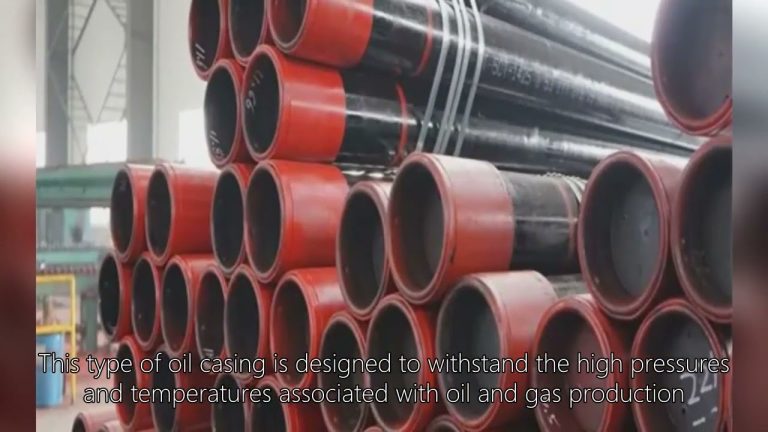
Kuchagua kabati sahihi la mafuta ni uamuzi muhimu katika uhandisi wa petroli, unaoathiri ufanisi, usalama na uwezekano wa kiuchumi wa shughuli za uchimbaji. Kuelewa vipengele vinavyochangia katika uteuzi bora wa kasha kunaweza kupunguza wasiwasi na kuhakikisha utulivu wa akili katika mchakato wote wa uchimbaji.
Jambo la msingi linalozingatiwa katika uteuzi wa kasha la mafuta ni jiolojia ya tovuti ya kuchimba visima. Hali za kijiolojia kama vile aina ya uundaji, kina, shinikizo, na halijoto hutekeleza majukumu muhimu katika kubainisha vipimo vinavyofaa vya Casing. Kwa mfano, miundo yenye shinikizo la juu na halijoto inaweza kuhitaji nyenzo za kuweka kabati zenye nguvu za hali ya juu na ukinzani wa kutu ili kustahimili hali mbaya zaidi bila kuathiri usalama wa uendeshaji.
Kipengele kingine muhimu ni ukubwa na uzito wa kasha. Kuchagua ukubwa sahihi huhusisha kutathmini kipenyo cha kisima, viwango vya uzalishaji vinavyotarajiwa, na hitaji la uingiliaji kati wa visima vya siku zijazo. casings kubwa hutoa nafasi zaidi kwa zana na vifaa wakati wa hatua za uchimbaji na ukamilishaji, huku pia zikitoa udhibiti bora wa mzunguko wa maji na utimilifu wa kisima.
Uteuzi wa nyenzo ni muhimu vile vile. Nyenzo za kawaida za casing ni pamoja na chuma cha kaboni, aloi na chuma cha pua, kila moja inatoa viwango tofauti vya nguvu, upinzani wa kutu na gharama nafuu. Uchaguzi wa nyenzo unategemea mambo kama vile mazingira (pwani au pwani), maisha yanayotarajiwa ya kisima, na masuala ya bajeti. Maendeleo ya madini yameanzisha nyenzo zenye mchanganyiko zinazochanganya uimara wa metali na uwezo wa kustahimili kutu wa polima, na kutoa suluhu za kiubunifu kwa mazingira magumu ya uchimbaji visima.
Aidha, muundo wa casing na usanidi huathiri utendaji mzuri na maisha marefu. Mazingatio ya muundo ni pamoja na idadi ya kamba za casing, mahitaji ya kuweka saruji, na utangamano na vifaa vya shimo la chini kama vile vifunGashio na vifungashio. Kila mshororo wa kasha hutumikia kusudi mahususi katika ujenzi wa kisima, kutoka kwa kutenga miundo tofauti hadi kutoa usaidizi wa kimuundo dhidi ya shinikizo za nje.
Kuweka saruji kuna jukumu muhimu katika kuweka uadilifu na uthabiti wa kisima. Uwekaji sahihi wa saruji huhakikisha kutengwa kwa majimaji ya miundo, kuzuia uhamaji wa maji kati ya kanda, na huongeza uadilifu wa muundo. Mambo yanayoathiri uwekaji saruji ni pamoja na uwekaji kati wa casing, msongamano wa tope la saruji, na mbinu za uwekaji. Mipango ya kabati iliyobuniwa vyema hujumuisha mbinu bora za uwekaji saruji ili kupunguza hatari zinazohusiana na uhamaji wa gesi, ubadilikaji wa casing, na uchafuzi wa mazingira.
Aidha, utiifu wa udhibiti na viwango vya tasnia hudhibiti uteuzi wa casing na usakinishaji. Kuzingatia kanuni huhakikisha ulinzi wa mazingira, usalama wa mfanyakazi, na uaminifu wa uendeshaji. Mashirika ya udhibiti huanzisha vigezo vya muundo wa kasha, vipimo vya nyenzo, na mahitaji ya majaribio ili kulinda uadilifu na kupunguza athari za mazingira katika kipindi chote cha maisha ya kisima.
Mwisho, mambo ya kiuchumi yana jukumu muhimu katika uteuzi wa kabati. Kusawazisha gharama za awali na manufaa ya muda mrefu huhusisha kutathmini vipengele kama vile maisha marefu ya nyenzo, mahitaji ya matengenezo na utendakazi. Kuwekeza katika nyenzo na muundo wa ubora wa juu kunaweza kupunguza hatari za hitilafu za visima, kupunguza muda wa kupungua, na kuongeza viwango vya uzalishaji katika muda wote wa maisha wa kisima.
Kwa kumalizia, kuchagua kifuko cha mafuta kinachofaa kunahusisha tathmini ya kina ya kijiolojia, uendeshaji, udhibiti na mambo ya kiuchumi. Kwa kutanguliza uadilifu, usalama na ufanisi mzuri, wahandisi na waendeshaji wanaweza kuabiri matatizo ya uteuzi wa kasha kwa kujiamini. Mipango ya kina, kufuata viwango vya tasnia, na maendeleo ya kiteknolojia huchangia katika kufikia matokeo bora katika utafutaji wa mafuta na gesi. Kwa uelewa wa kina wa masuala haya, washikadau wanaweza kushughulikia uteuzi wa kabati la mafuta kwa uwazi na kuhakikisha mafanikio endelevu katika shughuli za uchimbaji.
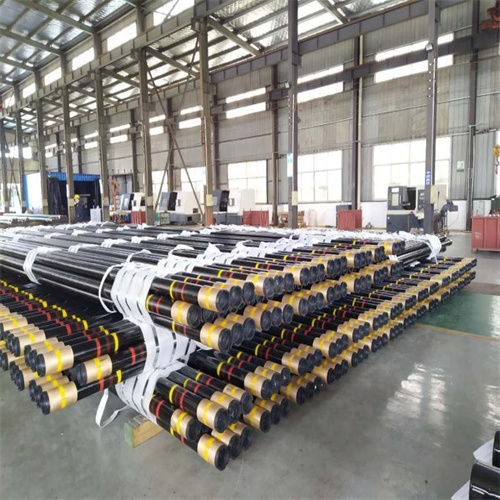
Cost-effectiveness is another vital consideration. While high-performance Materials may offer superior durability, they come at a premium cost. Balancing initial investment with long-term operational savings requires a thorough cost-benefit analysis, considering factors like Maintenance, replacement frequency, and overall well productivity.
Moreover, regulatory compliance cannot be overlooked. Different regions and jurisdictions have specific standards and requirements for Oil Casing materials and designs. Ensuring compliance not only avoids legal complications but also enhances safety and environmental stewardship.
Collaboration with experienced engineers and Suppliers is invaluable for beginners. Drawing on their expertise can provide insights into local conditions, best practices, and emerging technologies in casing design and materials. Establishing clear communication and leveraging their knowledge can streamline the decision-making process and lead to more informed choices.
Lastly, ongoing monitoring and maintenance are essential for the longevity of oil casings. Implementing regular inspections and corrosion monitoring programs can detect potential issues early, allowing for timely interventions and preventing costly downtime or environmental incidents.
In conclusion, while choosing the right oil casing can seem daunting, a systematic approach focusing on geological, operational, economic, and regulatory considerations can simplify the process. By understanding the specific demands of the well and leveraging expert advice, beginners can navigate the complexities of oil casing selection with confidence. Each decision made with thorough consideration ensures not only the success of the current project but also the sustainability of future operations in the dynamic landscape of the Oil and Gas industry.
Oil Casing Selection Made Easy: Factors to Consider for Peace of Mind
Gravely fretting about oil casing choice? Look here for happiness.
Selecting the right oil casing is a critical decision in petroleum engineering, influencing the efficiency, safety, and economic viability of drilling operations. Understanding the factors that contribute to optimal casing selection can alleviate concerns and ensure peace of mind throughout the drilling process.
The primary consideration in oil casing selection is the geology of the drilling site. Geologic conditions such as formation type, depth, pressure, and temperature play pivotal roles in determining the appropriate casing specifications. For instance, formations with high pressures and temperatures may require casing materials with superior strength and Corrosion resistance to withstand extreme conditions without compromising operational safety.
Another crucial factor is the casing size and Weight. Choosing the correct size involves assessing the well Diameter, anticipated production rates, and the need for future well interventions. Larger casings provide more space for tools and equipment during drilling and completion phases, while also offering better control over fluid circulation and well integrity.
Material selection is equally vital. Common casing materials include Carbon Steel, alloy steel, and Stainless Steel, each offering varying degrees of strength, corrosion resistance, and cost-effectiveness. The choice of material depends on factors such as well environment (onshore or offshore), anticipated lifespan of the well, and budget considerations. Advances in metallurgy have introduced composite materials that combine the strength of metals with the corrosion resistance of polymers, offering innovative solutions for challenging drilling environments.
Furthermore, casing design and configuration impact well performance and longevity. Design considerations include the number of Casing strings, Cementing requirements, and compatibility with downhole equipment such as Packers and liners. Each casing string serves a specific purpose in well Construction, from isolating different formations to providing structural support against external pressures.
Cementing plays a crucial role in casing integrity and wellbore stability. Proper cement placement ensures hydraulic isolation of formations, prevents fluid migration between zones, and enhances structural integrity. Factors influencing cementing include casing centralization, cement slurry density, and placement techniques. Well-designed casing programs incorporate cementing best practices to mitigate risks associated with gas migration, casing deformation, and environmental contamination.
Moreover, regulatory compliance and industry standards govern casing selection and installation practices. Adhering to regulations ensures environmental protection, worker safety, and operational reliability. Regulatory bodies establish casing design criteria, material specifications, and testing requirements to safeguard well integrity and minimize environmental impact throughout the well’s lifecycle.
Lastly, economic considerations play a pivotal role in casing selection. Balancing upfront costs with long-term benefits involves evaluating factors such as material longevity, maintenance requirements, and operational efficiencies. Investing in high-quality casing materials and design can mitigate risks of well failures, reduce downtime, and optimize production rates over the well’s lifespan.
In conclusion, selecting the right oil casing involves a meticulous assessment of geological, operational, regulatory, and economic factors. By prioritizing well integrity, safety, and efficiency, engineers and operators can navigate the complexities of casing selection with confidence. Comprehensive planning, adherence to industry standards, and technological advancements contribute to achieving optimal outcomes in oil and gas exploration. With a thorough understanding of these considerations, stakeholders can approach oil casing selection with clarity and ensure sustained success in drilling operations.