টেনসিল-প্রতিরোধী তেল আবরণ প্রতিরোধী উপকরণের জন্য নির্বাচনের মানদণ্ড
একটি প্রসার্য-প্রতিরোধী তেল আবরণ প্রতিরোধী উপাদান নির্বাচনের প্রথম ধাপ হল পরিবেশগত অবস্থার মূল্যায়ন করা যেখানে আবরণ ব্যবহার করা হবে। বিভিন্ন পরিবেশে বিভিন্ন স্তরের ক্ষয়কারী উপাদান রয়েছে, যেমন আর্দ্রতা, রাসায়নিক পদার্থ এবং তাপমাত্রার ওঠানামা, যা উপাদানটির কার্যকারিতাকে প্রভাবিত করতে পারে। অ্যাপ্লিকেশন সেটিংয়ে নির্দিষ্ট জারা ঝুঁকি বোঝা একটি উপাদান নির্বাচন করার জন্য গুরুত্বপূর্ণ যা এই হুমকিগুলিকে কার্যকরভাবে প্রতিরোধ করতে পারে।
তেল আবরণের জন্য বিভিন্ন ক্ষয়রোধী উপাদানের তুলনামূলক বিশ্লেষণ
 একটি নির্দিষ্ট অ্যাপ্লিকেশন সেটিংয়ে তেলের আবরণের জন্য ক্ষয়রোধী উপকরণ নির্বাচন করার সময়, পরিবেশগত অবস্থা এবং কর্মক্ষম প্রয়োজনীয়তার সাথে সামঞ্জস্যপূর্ণ একটি প্রসার্য-প্রতিরোধী পছন্দ করা অত্যন্ত গুরুত্বপূর্ণ। তেল এবং গ্যাস শিল্পের কঠোর পরিস্থিতিতে সরঞ্জামগুলির অখণ্ডতা এবং দীর্ঘায়ু নিশ্চিত করার জন্য ক্ষয় থেকে তেলের আবরণের সুরক্ষা অপরিহার্য৷ আবরণ কাজ করা হবে. বিভিন্ন পরিবেশ, যেমন উচ্চ লবণাক্ততা, অম্লীয় অবস্থা, বা ক্ষয়কারী রাসায়নিকের সংস্পর্শে, কার্যকর সুরক্ষা প্রদানের জন্য নির্দিষ্ট ধরণের ক্ষয়রোধী উপাদানের প্রয়োজন হয়। পরিবেশের প্রকৃতি বোঝা সবচেয়ে উপযুক্ত উপাদান নির্বাচন করার মূল চাবিকাঠি যা উপস্থিত ক্ষয়কারী উপাদানগুলিকে প্রতিরোধ করতে পারে৷
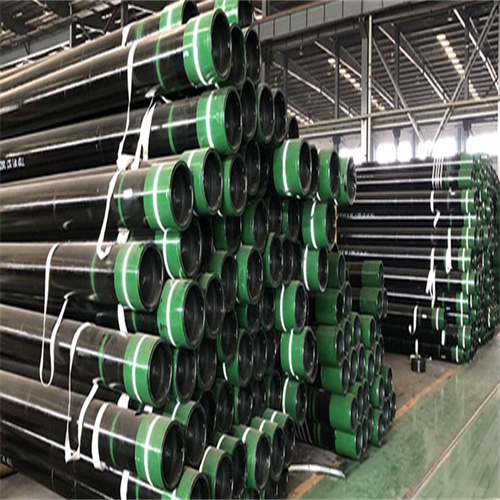
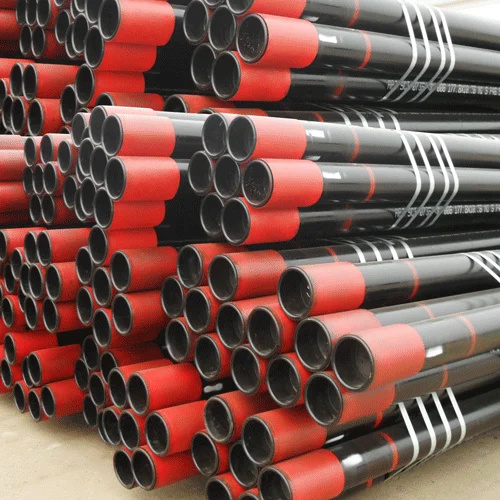
তেল টিউব চীন সেরা পাইকারি
তেলের আবরণে টেনসিল-প্রতিরোধী ক্ষয়রোধী উপাদানের সফল প্রয়োগের উপর কেস স্টাডিজ
নির্দিষ্ট অ্যাপ্লিকেশন সেটিংসের জন্য তেল আবরণ বিরোধী ক্ষয়কারী উপকরণ নির্বাচন বিবেচনা করার সময়, প্রসার্য প্রতিরোধকে অগ্রাধিকার দেওয়া অত্যন্ত গুরুত্বপূর্ণ। তেলের আবরণে এই জাতীয় উপকরণের সফল প্রয়োগ কঠোর পরিবেশে কেসিংয়ের অখণ্ডতা এবং দীর্ঘায়ু নিশ্চিত করতে একটি গুরুত্বপূর্ণ ভূমিকা পালন করে। এই প্রবন্ধে, আমরা কেস স্টাডিগুলি নিয়ে আলোচনা করব যা সঠিক ক্ষয়রোধী উপাদান নির্বাচন করার গুরুত্ব এবং তেলের আবরণের সামগ্রিক কর্মক্ষমতার উপর তাদের প্রভাব তুলে ধরে। যার মধ্যে কেসিং কাজ করবে। বিভিন্ন পরিবেশে বিভিন্ন স্তরের ক্ষয়কারী উপাদান থাকে যা সময়ের সাথে সাথে আবরণকে ক্ষয় করতে পারে। উচ্চ প্রসার্য প্রতিরোধের উপকরণ নির্বাচন করে, অপারেটররা ক্ষয়-সম্পর্কিত ব্যর্থতার ঝুঁকি কমাতে পারে এবং কেসিংয়ের আয়ু বাড়াতে পারে। উল্লেখযোগ্যভাবে তেল আবরণ কর্মক্ষমতা উন্নত. উপাদানটি বিশেষভাবে উপকূলীয় তুরপুন পরিবেশে উপস্থিত উচ্চ চাপ এবং ক্ষয়কারী অবস্থা সহ্য করার জন্য ডিজাইন করা হয়েছিল। ফলস্বরূপ, কেসিং একটি বর্ধিত সময়ের জন্য তার কাঠামোগত অখণ্ডতা বজায় রাখে, ঘন ঘন রক্ষণাবেক্ষণ এবং প্রতিস্থাপনের প্রয়োজনীয়তা হ্রাস করে। নির্বাচিত সামগ্রীগুলি কূপে উপস্থিত চরম তাপমাত্রা এবং ক্ষয়কারী পদার্থগুলি সহ্য করতে সক্ষম হয়েছিল, এটি নিশ্চিত করে যে কেসিংটি উত্পাদন প্রক্রিয়া জুড়ে অক্ষত এবং কার্যকর থাকে। এই সফল অ্যাপ্লিকেশনটি বিভিন্ন অ্যাপ্লিকেশন সেটিংস দ্বারা উত্থাপিত নির্দিষ্ট চ্যালেঞ্জগুলি সহ্য করতে পারে এমন উপকরণ নির্বাচনের গুরুত্ব প্রদর্শন করেছে। বিশেষায়িত আবরণ প্রয়োগ করে যা জারা থেকে সুরক্ষার একটি অতিরিক্ত স্তর প্রদান করে, অপারেটররা চাহিদাপূর্ণ পরিবেশে কেসিংয়ের স্থায়িত্ব এবং কার্যকারিতা আরও উন্নত করতে পারে। এবং বিভিন্ন অ্যাপ্লিকেশন সেটিংসে তেল আবরণ দীর্ঘায়ু। এই ধরনের উপকরণের সফল প্রয়োগ প্রদর্শনকারী কেস স্টাডির পরীক্ষার মাধ্যমে, এটা স্পষ্ট যে সঠিক উপকরণ নির্বাচন করা তেল আবরণের সামগ্রিক কর্মক্ষমতার উপর গভীর প্রভাব ফেলতে পারে। টেনসিল রেজিস্ট্যান্সকে অগ্রাধিকার দিয়ে এবং উন্নত আবরণ প্রযুক্তি ব্যবহার করে, অপারেটররা তেলের আবরণের স্থায়িত্ব এবং অখণ্ডতা বাড়াতে পারে, যা শেষ পর্যন্ত উন্নত অপারেশনাল দক্ষতা এবং খরচ সাশ্রয়ের দিকে পরিচালিত করে।
In the comparative analysis of different anticorrosion Materials for Oil Casing, several options are available, each with its unique properties and advantages. One common choice is the use of epoxy coatings, which provide a protective barrier against corrosion and can be applied easily to the surface of the casing. Epoxy coatings are known for their durability and resistance to chemical exposure, making them a popular choice in many applications.
Another option to consider is the use of corrosion-resistant alloys, such as Stainless Steel or nickel alloys, which offer superior protection against corrosion in aggressive environments. These materials are known for their high tensile strength and resistance to pitting and crevice corrosion, making them ideal for challenging operating conditions where traditional materials may fail.
Polyethylene and polypropylene materials are also commonly used for anticorrosion protection in oil casing applications. These thermoplastic materials offer excellent resistance to chemical corrosion and are lightWeight, making them easy to handle and install. Polyethylene and polypropylene coatings provide a cost-effective solution for protecting oil casing in less severe environments.
In addition to the material properties, the application method and coating thickness play a significant role in the effectiveness of anticorrosion protection. Proper surface preparation and application techniques are essential to ensure the adhesion and durability of the anticorrosion material on the oil casing. The thickness of the coating should be carefully selected based on the expected corrosive conditions and the desired service life of the equipment.
When making a decision on the choice of anticorrosion material for oil casing, it is essential to consider the cost-effectiveness, performance characteristics, and compatibility with the operating environment. Conducting a thorough evaluation of the available options and consulting with corrosion protection experts can help in making an informed decision that ensures the long-term integrity of the oil casing in the specific application setting.
Case Studies on Successful Applications of Tensile-Resistant Anticorrosion Materials in Oil Casing
When considering the selection of oil casing anticorrosion materials for specific application settings, it is crucial to prioritize tensile resistance. The successful application of such materials in oil casing plays a vital role in ensuring the integrity and longevity of the casing in harsh environments. In this article, we will delve into case studies that highlight the importance of choosing the right anticorrosion materials and the impact they have on the overall performance of oil casing.
One key aspect to consider when selecting anticorrosion materials for oil casing is the environment in which the casing will be operating. Different environments present varying levels of corrosive elements that can degrade the casing over time. By choosing materials with high tensile resistance, operators can mitigate the risk of corrosion-related failures and extend the lifespan of the casing.
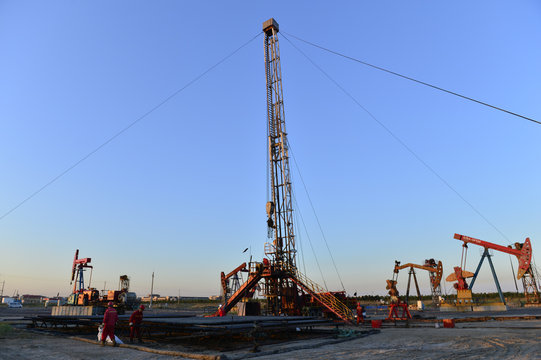
In a recent case study conducted in an offshore drilling operation, the use of a specialized tensile-resistant anticorrosion material significantly improved the performance of the oil casing. The material was specifically designed to withstand the high pressures and corrosive conditions present in offshore drilling environments. As a result, the casing maintained its structural integrity over an extended period, reducing the need for frequent Maintenance and replacement.
Another notable case study involved the application of tensile-resistant anticorrosion materials in a high-temperature Oil Well setting. The materials selected were able to withstand the extreme temperatures and corrosive substances present in the well, ensuring that the casing remained intact and operational throughout the production process. This successful application demonstrated the importance of choosing materials that can withstand the specific challenges posed by different application settings.
Furthermore, the use of advanced coating technologies has also played a significant role in enhancing the tensile resistance of anticorrosion materials for oil casing. By applying specialized coatings that provide an additional layer of protection against corrosion, operators can further improve the durability and performance of the casing in demanding environments.
In conclusion, the selection of tensile-resistant anticorrosion materials is a critical factor in ensuring the reliability and longevity of oil casing in various application settings. Through the examination of case studies showcasing successful applications of such materials, it is evident that choosing the right materials can have a profound impact on the overall performance of oil casing. By prioritizing tensile resistance and leveraging advanced coating technologies, operators can enhance the durability and integrity of oil casing, ultimately leading to improved operational efficiency and cost savings.