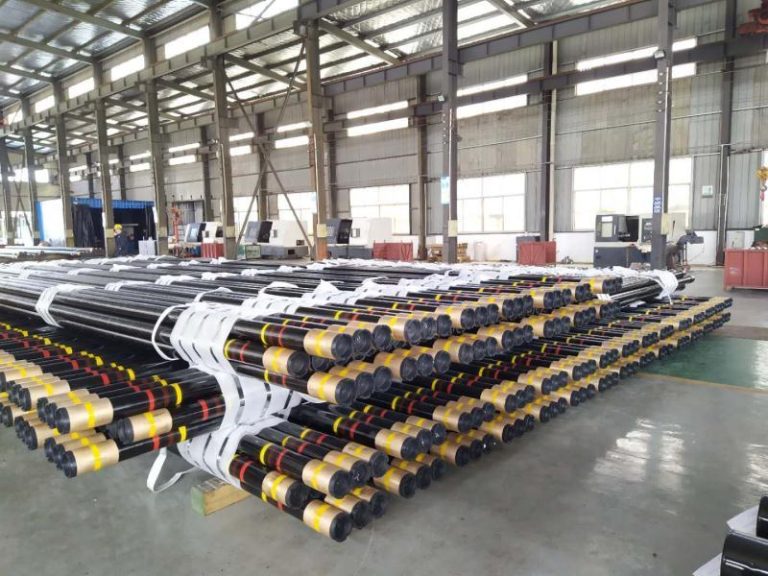
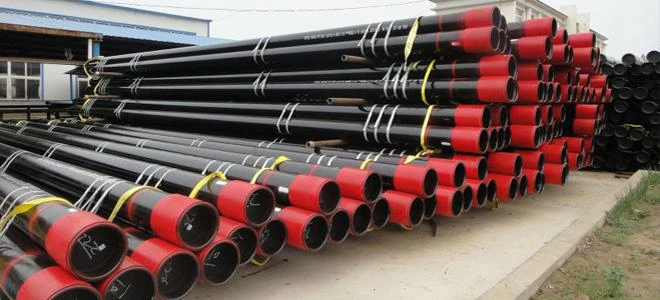
Vigezo vya Uteuzi wa Nyenzo za Kuzuia Kuota kwa Kifuko cha Mafuta kinachostahimili Mkazo
Hatua ya kwanza ya kuchagua nyenzo ya kuzuia kutu ya kabati ya mafuta inayostahimili mvutano ni kutathmini hali ya mazingira ambamo kabati hiyo itatumika. Mazingira tofauti yanaonyesha viwango tofauti vya vipengele vya ulikaji, kama vile unyevu, kemikali na mabadiliko ya halijoto, ambayo yanaweza kuathiri utendakazi wa nyenzo. Kuelewa hatari mahususi za kutu katika mpangilio wa programu ni muhimu kwa kuchagua nyenzo inayoweza kupinga vitisho hivi.
Uchanganuzi Linganishi wa Nyenzo Mbalimbali za Kuzuia Kutu kwa Ufungaji wa Mafuta
 Oil Tube china Wauzaji Bora wa Jumla
Mafunzo ya Uchunguzi Juu ya Utumiaji Mafanikio wa Nyenzo za Kuzuia kutu zinazostahimili Mkazo katika Kifunga cha Mafuta
Unapozingatia uteuzi wa vifaa vya kuzuia kutu ya kabati la mafuta kwa mipangilio maalum ya utumaji, ni muhimu kutanguliza upinzani wa mvutano. Utumiaji mzuri wa nyenzo kama hizo kwenye kabati la mafuta una jukumu muhimu katika kuhakikisha uadilifu na maisha marefu ya kabati katika mazingira magumu. Katika makala haya, tutaangazia tafiti zinazoangazia umuhimu wa kuchagua nyenzo sahihi za kuzuia kutu na athari inayopatikana katika utendaji wa jumla wa kabati la mafuta.
Kipengele kimoja muhimu cha kuzingatia wakati wa kuchagua nyenzo za kuzuia kutu kwa kasha la mafuta ni mazingira. ambayo Casing itakuwa inafanya kazi. Mazingira tofauti yanawasilisha viwango tofauti vya vipengee vya ulikaji ambavyo vinaweza kuharibu ganda kwa muda. Kwa kuchagua nyenzo zenye upinzani wa juu wa mvutano, waendeshaji wanaweza kupunguza hatari ya hitilafu zinazohusiana na kutu na kupanua maisha ya casing.
Katika uchunguzi wa hivi majuzi uliofanywa katika operesheni ya kuchimba visima nje ya pwani, utumiaji wa nyenzo maalum inayostahimili kutu. kwa kiasi kikubwa kuboresha utendaji wa casing ya mafuta. Nyenzo hii iliundwa mahsusi kuhimili shinikizo la juu na hali ya babuzi iliyopo katika mazingira ya uchimbaji wa pwani. Kwa hivyo, kifuko kilidumisha uadilifu wake wa kimuundo kwa muda mrefu, na hivyo kupunguza hitaji la matengenezo ya mara kwa mara na uingizwaji.
Uchunguzi mwingine mashuhuri ulihusisha uwekaji wa nyenzo za kuzuia kutu zinazostahimili mkazo katika mpangilio wa kisima cha mafuta chenye joto la juu. Nyenzo zilizochaguliwa ziliweza kustahimili halijoto kali na vitu babuzi vilivyopo kwenye kisima, na kuhakikisha kwamba kifuko kilisalia kikiwa sawa na kikifanya kazi katika mchakato wote wa uzalishaji. Utumizi huu uliofaulu ulionyesha umuhimu wa kuchagua nyenzo zinazoweza kustahimili changamoto mahususi zinazoletwa na mipangilio tofauti ya utumaji.
Zaidi ya hayo, matumizi ya teknolojia ya hali ya juu ya upakaji pia yamechangia pakubwa katika kuimarisha uwezo wa kustahimili mkazo wa nyenzo za kuzuia kutu kwa kasha la mafuta. Kwa kutumia mipako maalum ambayo hutoa safu ya ziada ya ulinzi dhidi ya kutu, waendeshaji wanaweza kuboresha zaidi uimara na utendakazi wa kabati katika mazingira yanayohitaji nguvu.
Kwa kumalizia, uteuzi wa nyenzo zinazostahimili kutu ni jambo muhimu sana katika kuhakikisha kutegemewa. na maisha marefu ya kabati la mafuta katika mipangilio mbalimbali ya matumizi. Kupitia uchunguzi wa tafiti zinazoonyesha utumizi uliofanikiwa wa nyenzo kama hizo, ni dhahiri kwamba kuchagua nyenzo zinazofaa kunaweza kuwa na athari kubwa kwa utendaji wa jumla wa kabati la mafuta. Kwa kutanguliza upinzani wa mvutano na kutumia teknolojia ya hali ya juu ya upakaji, waendeshaji wanaweza kuongeza uimara na uadilifu wa kabati la mafuta, na hatimaye kusababisha utendakazi bora na uokoaji wa gharama.
oil tube China Best wholesalers
In the comparative analysis of different anticorrosion Materials for Oil Casing, several options are available, each with its unique properties and advantages. One common choice is the use of epoxy coatings, which provide a protective barrier against corrosion and can be applied easily to the surface of the casing. Epoxy coatings are known for their durability and resistance to chemical exposure, making them a popular choice in many applications.
Another option to consider is the use of corrosion-resistant alloys, such as Stainless Steel or nickel alloys, which offer superior protection against corrosion in aggressive environments. These materials are known for their high tensile strength and resistance to pitting and crevice corrosion, making them ideal for challenging operating conditions where traditional materials may fail.
Polyethylene and polypropylene materials are also commonly used for anticorrosion protection in oil casing applications. These thermoplastic materials offer excellent resistance to chemical corrosion and are lightWeight, making them easy to handle and install. Polyethylene and polypropylene coatings provide a cost-effective solution for protecting oil casing in less severe environments.
In addition to the material properties, the application method and coating thickness play a significant role in the effectiveness of anticorrosion protection. Proper surface preparation and application techniques are essential to ensure the adhesion and durability of the anticorrosion material on the oil casing. The thickness of the coating should be carefully selected based on the expected corrosive conditions and the desired service life of the equipment.
When making a decision on the choice of anticorrosion material for oil casing, it is essential to consider the cost-effectiveness, performance characteristics, and compatibility with the operating environment. Conducting a thorough evaluation of the available options and consulting with corrosion protection experts can help in making an informed decision that ensures the long-term integrity of the oil casing in the specific application setting.
Case Studies on Successful Applications of Tensile-Resistant Anticorrosion Materials in Oil Casing
When considering the selection of oil casing anticorrosion materials for specific application settings, it is crucial to prioritize tensile resistance. The successful application of such materials in oil casing plays a vital role in ensuring the integrity and longevity of the casing in harsh environments. In this article, we will delve into case studies that highlight the importance of choosing the right anticorrosion materials and the impact they have on the overall performance of oil casing.
One key aspect to consider when selecting anticorrosion materials for oil casing is the environment in which the casing will be operating. Different environments present varying levels of corrosive elements that can degrade the casing over time. By choosing materials with high tensile resistance, operators can mitigate the risk of corrosion-related failures and extend the lifespan of the casing.
In a recent case study conducted in an offshore drilling operation, the use of a specialized tensile-resistant anticorrosion material significantly improved the performance of the oil casing. The material was specifically designed to withstand the high pressures and corrosive conditions present in offshore drilling environments. As a result, the casing maintained its structural integrity over an extended period, reducing the need for frequent Maintenance and replacement.
Another notable case study involved the application of tensile-resistant anticorrosion materials in a high-temperature Oil Well setting. The materials selected were able to withstand the extreme temperatures and corrosive substances present in the well, ensuring that the casing remained intact and operational throughout the production process. This successful application demonstrated the importance of choosing materials that can withstand the specific challenges posed by different application settings.
Furthermore, the use of advanced coating technologies has also played a significant role in enhancing the tensile resistance of anticorrosion materials for oil casing. By applying specialized coatings that provide an additional layer of protection against corrosion, operators can further improve the durability and performance of the casing in demanding environments.
In conclusion, the selection of tensile-resistant anticorrosion materials is a critical factor in ensuring the reliability and longevity of oil casing in various application settings. Through the examination of case studies showcasing successful applications of such materials, it is evident that choosing the right materials can have a profound impact on the overall performance of oil casing. By prioritizing tensile resistance and leveraging advanced coating technologies, operators can enhance the durability and integrity of oil casing, ultimately leading to improved operational efficiency and cost savings.