তেল এবং গ্যাস কূপ খনন ক্ষেত্রে আবরণের গুরুত্ব
তৈল ও গ্যাস কূপ খননের ক্ষেত্রে সাধারণ চ্যালেঞ্জের সম্মুখীন হয়
এছাড়াও, পরিবেশগত বিবেচনাগুলি ড্রিলিং অপারেশনগুলিতে বিশেষত সংবেদনশীল ইকোসিস্টেম বা ঘনবসতিপূর্ণ এলাকায় উল্লেখযোগ্য চ্যালেঞ্জ তৈরি করে। ড্রিলিং ক্রিয়াকলাপের পরিবেশগত পদচিহ্ন হ্রাস করার জন্য কঠোর প্রবিধান মেনে চলা এবং বর্জ্য ব্যবস্থাপনা, জল সংরক্ষণ এবং নির্গমন নিয়ন্ত্রণের জন্য সর্বোত্তম অনুশীলনের বাস্তবায়ন প্রয়োজন। ড্রিলিং প্রযুক্তিতে উদ্ভাবন, যেমন ক্লোজড-লুপ ড্রিলিং সিস্টেম এবং পরিবেশ-বান্ধব ড্রিলিং তরল, কর্মক্ষম দক্ষতা বজায় রেখে পরিবেশগত প্রভাব হ্রাস করার লক্ষ্য রাখে। ভারী যন্ত্রপাতি, উচ্চ চাপের তরল এবং দাহ্য গ্যাসের উপস্থিতি। দুর্ঘটনা প্রতিরোধ এবং কর্মীদের সুস্থতা নিশ্চিত করার জন্য কঠোর নিরাপত্তা প্রোটোকল, ব্যাপক প্রশিক্ষণ এবং অবিরাম সতর্কতা প্রয়োজন। ভাল নিয়ন্ত্রণের পদ্ধতি থেকে শুরু করে ব্যক্তিগত প্রতিরক্ষামূলক সরঞ্জাম পর্যন্ত, ড্রিলিং অপারেশনের প্রতিটি দিককে অবশ্যই নিরাপত্তাকে অগ্রাধিকার দিতে হবে যাতে বিপর্যয়কর পরিণতি হতে পারে এমন ঘটনার ঝুঁকি কমাতে। অবকাঠামো এবং সহায়তা পরিষেবাগুলিতে। ড্রিলিং সাইটে এবং থেকে সরঞ্জাম এবং কর্মীদের পরিবহন, সরবরাহ চেইন পরিচালনা, এবং একাধিক স্টেকহোল্ডার জুড়ে ক্রিয়াকলাপগুলির সমন্বয় সাধন পরিকল্পনা এবং সমন্বয়ের প্রয়োজন। উন্নত লজিস্টিক ম্যানেজমেন্ট সিস্টেম এবং লজিস্টিক প্রদানকারীদের সাথে কৌশলগত অংশীদারিত্ব অপারেশনগুলিকে স্ট্রীমলাইন করতে এবং সম্পদ বরাদ্দ অপ্টিমাইজ করতে, খরচ কমাতে এবং দক্ষতা বাড়াতে সাহায্য করে। স্বয়ংক্রিয় ড্রিলিং সিস্টেম এবং রিয়েল-টাইম ডেটা অ্যানালিটিক্স থেকে টেকসই ড্রিলিং কৌশল পর্যন্ত, শিল্প ক্রমাগত চ্যালেঞ্জগুলি কাটিয়ে উঠতে এবং তেল এবং গ্যাসের মজুদ সর্বাধিক করার জন্য উদ্ভাবন করছে। একটি অগণিত চ্যালেঞ্জ যা অতিক্রম করার জন্য দক্ষতা, উদ্ভাবন এবং সূক্ষ্ম পরিকল্পনা প্রয়োজন। ভূতাত্ত্বিক জটিলতা এবং সরঞ্জাম নির্ভরযোগ্যতা থেকে পরিবেশগত বিবেচনা এবং নিরাপত্তা উদ্বেগ, এই চ্যালেঞ্জ মোকাবেলা ড্রিলিং অপারেশন সাফল্য এবং স্থায়িত্ব নিশ্চিত করার জন্য অপরিহার্য. প্রযুক্তিগত অগ্রগতি আলিঙ্গন করে, সর্বোত্তম অনুশীলনগুলি মেনে চলার মাধ্যমে, এবং সুরক্ষা এবং পরিবেশগত স্টুয়ার্ডশিপকে অগ্রাধিকার দিয়ে, তেল ও গ্যাস শিল্প এই চ্যালেঞ্জগুলিকে কার্যকরভাবে নেভিগেট করতে পারে এবং দায়িত্বের সাথে বিশ্বের শক্তির চাহিদা মেটাতে চালিয়ে যেতে পারে৷
Common Challenges Faced in Drilling Oil and Gas wells
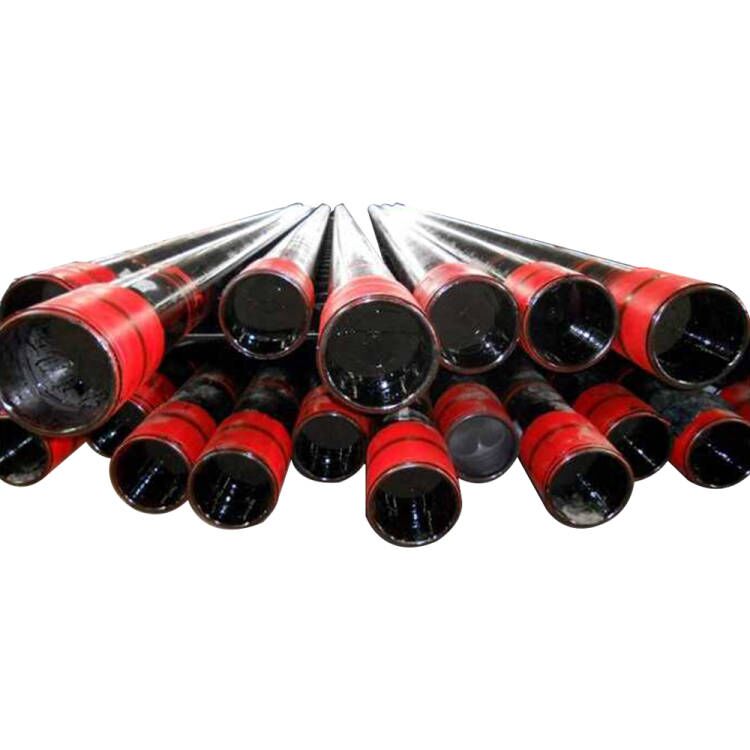
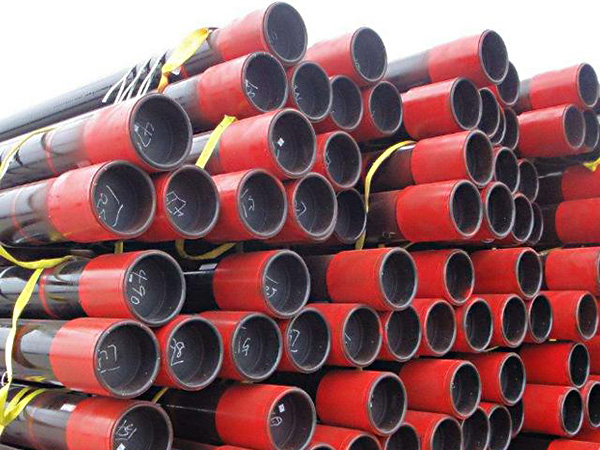
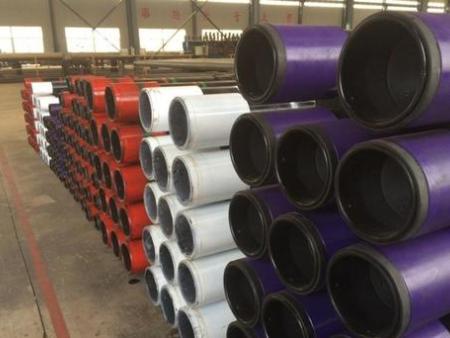
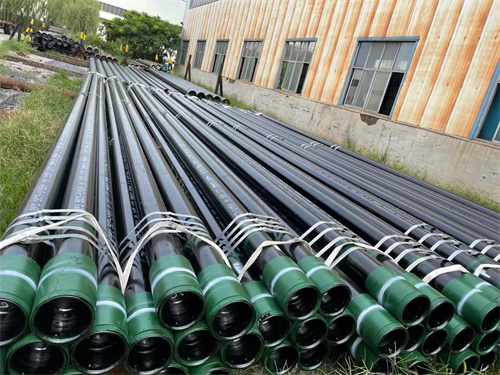
Oil and gas well drilling and servicing is a complex and crucial process in the extraction of petroleum and natural gas from the Earth’s subsurface. Within this intricate operation, drilling plays a pivotal role, serving as the initial phase in the journey of extracting these valuable resources. Among the myriad of tasks involved in drilling, Casing, the process of installing Steel Pipe into the wellbore, stands out as a critical step. However, like any industrial endeavor, drilling and casing present numerous challenges that must be navigated adeptly to ensure efficiency, safety, and success.
One of the primary challenges encountered in drilling oil and gas wells is geological complexity. Each drilling site presents a unique geological makeup, characterized by variations in rock formations, pressures, and fluid content. Navigating through these heterogeneous formations demands meticulous planning and precise execution to prevent complications such as stuck pipe, lost circulation, or wellbore instability. Engineers and geologists rely on advanced technology, including seismic imaging and well logging, to gather comprehensive data and formulate effective drilling strategies tailored to the specific geological conditions.
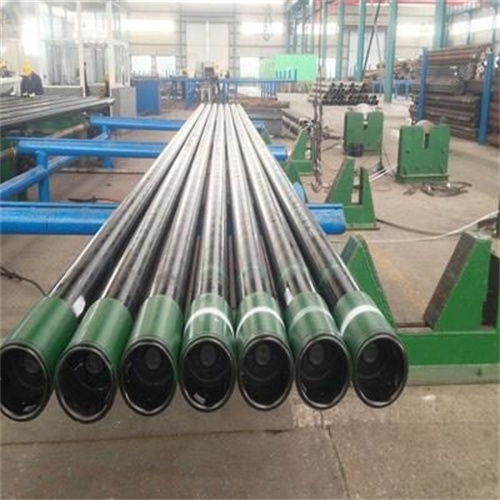
Oil Well PipeIn addition to geological complexity, drilling operations often encounter challenges related to equipment reliability and performance. The harsh environment of Drilling Rigs, with exposure to extreme temperatures, high pressures, and abrasive drilling fluids, puts considerable strain on drilling equipment. Mechanical failures or malfunctions can disrupt operations, leading to costly downtime and delays. To mitigate these risks, operators invest in robust equipment Maintenance programs and employ advanced monitoring systems to detect potential issues early and implement timely interventions.
 Furthermore, environmental considerations pose significant challenges in drilling operations, particularly in sensitive ecosystems or densely populated areas. Minimizing the environmental footprint of drilling activities requires adherence to stringent regulations and the implementation of best practices for waste management, water conservation, and emissions control. innovations in drilling technologies, such as closed-loop drilling systems and eco-friendly drilling fluids, aim to reduce environmental impact while maintaining operational efficiency.
Safety remains paramount in the oil and gas industry, and drilling operations are inherently hazardous due to the presence of heavy machinery, high-pressure fluids, and flammable gases. Preventing accidents and ensuring the well-being of workers necessitates rigorous safety protocols, comprehensive training, and constant vigilance. From well control procedures to personal protective equipment, every aspect of drilling operations must prioritize safety to mitigate the risk of incidents that could have catastrophic consequences.
Moreover, logistical challenges often arise in drilling projects, especially in remote or offshore locations with limited access to infrastructure and support services. Transporting equipment and personnel to and from the drilling site, managing supply chains, and coordinating activities across multiple stakeholders demand meticulous planning and coordination. Advanced logistics management systems and strategic partnerships with logistics providers help streamline operations and optimize resource allocation, reducing costs and enhancing efficiency.
Despite these challenges, advancements in technology and operational practices contiNue to drive improvements in drilling efficiency, safety, and environmental performance. From automated drilling systems and real-time data analytics to sustainable drilling techniques, the industry is constantly innovating to overcome challenges and maximize the yield of oil and gas reserves.
In conclusion, drilling oil and gas wells, particularly the casing process, presents a myriad of challenges that require expertise, innovation, and meticulous planning to overcome. From geological complexity and equipment reliability to environmental considerations and safety concerns, addressing these challenges is essential to ensure the success and sustainability of drilling operations. By embracing technological advancements, adhering to best practices, and prioritizing safety and environmental stewardship, the oil and gas industry can navigate these challenges effectively and continue to meet the world’s energy needs responsibly.