**Casing Design Theory and Practice**: This topic would delve into the principles and practical applications of designing casings for various products, such as electronics, machinery, and more. It would cover aspects like Material selection, structural integrity, aesthetics, and user interaction, along with real-world examples and case studies
Casing design, a critical aspect of product development, is a blend of theory and practice that balances several key considerations – material selection, structural integrity, aesthetics, and user interaction. This balance ensures that the final product not only functions effectively but is also appealing and user-friendly.
Material selection is the cornerstone of casing design. It directly influences the product’s durability, cost, and even its environmental footprint. Designers must choose materials that can withstand the product’s intended use while remaining cost-efficient and environmentally friendly. For instance, casings for electronics often use a combination of metals and plastics. Metals provide strength and durability, while plastics offer versatility in design and a lower cost. However, with the increasing emphasis on sustainability, designers are exploring eco-friendly materials, such as bioplastics and recycled metals.
Hot Sale Custom Made case for essential Oils
Structural integrity is another pivotal aspect of casing design. The casing must protect the product’s internal components from external impacts, environmental conditions, and daily wear and tear. This requires a deep understanding of the product’s operational environment. For example, machinery casings often have to withstand harsh conditions, such as high temperatures, corrosive substances, or heavy impacts. Hence, they require robust materials and a design that can dissipate heat, resist corrosion, and absorb shocks.
However, a product’s casing isn’t merely a protective shell. It also plays a significant role in the product’s aesthetics, which can influence consumer perception and purchase decisions. Designers strive to create casings that are visually appealing, modern, and align with the brand’s image. Aesthetic considerations often involve color choices, surface finishes, and shape design. A good example can be seen in consumer electronics, where sleek, minimalist casings have become a popular trend.
Finally, user interaction is a critical consideration in casing design. The casing should facilitate easy and intuitive use of the product. This involves ergonomic design, which ensures that the product is comfortable to hold or operate, and interface design, which ensures that the user can easily access and control the product’s functions. For instance, the casing of a smartphone must accommodate the screen, buttons, and ports in a way that is intuitive for the user.
Real-world examples and case studies illustrate the successful application of these principles. Consider the casing design of modern smartphones. These devices use a blend of metal and glass to achieve a balance of strength, aesthetics, and user interaction. The casing protects the intricate electronics inside, provides a sleek and modern look, and allows easy access to the device’s various functions. Another example is the casing of industrial machinery, where robust materials and designs ensure that the machinery can operate reliably in challenging conditions.
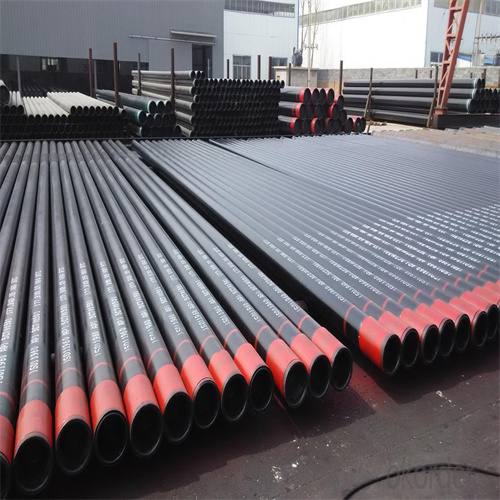
Casing Pipe,casing well pipe, casing supreme pipe, casing vs carrier pipe, casing for ac pipe, casing Steel Pipe, casing pipe size, casing pvc pipe Price, casing pipe, casing pipe Suppliers in china, casing capping pipe, casing drill pipe,carrier pipe,casing pipe size,bushing flange,bushing Sleeve,bushing,bushing arm,bushing bearing,bushing reducer,bushing tool,bushing pvc,bushing meaning
In conclusion, casing design theory and practice is a complex, multi-faceted