Importance of Quality Standards in Casing Pipe manufacturing:
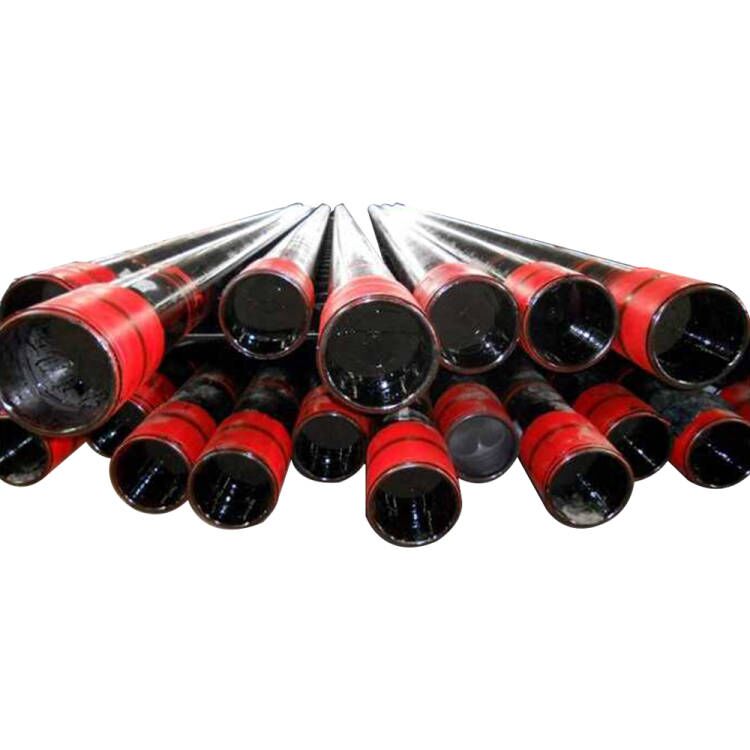
Casing Pipes play a crucial role in the Oil and Gas industry, serving as a protective barrier for the wellbore and ensuring the integrity of the drilling operation. As such, the quality of casing Pipes is of paramount importance to the safety and efficiency of oil and gas exploration and production activities. In this article, we will delve into the significance of quality standards in casing pipe manufacturing and how adherence to these standards is essential for ensuring the reliability and performance of these critical components.
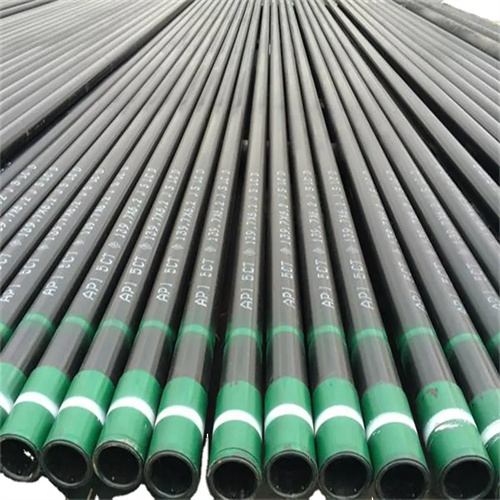
Quality standards in casing pipe manufacturing encompass a range of specifications and requirements that govern the Materials used, the manufacturing processes employed, and the performance characteristics of the final product. These standards are designed to ensure that casing pipes meet the necessary criteria for strength, durability, Corrosion resistance, and other key properties that are essential for their successful deployment in oil and gas wells.
One of the primary reasons why quality standards are so important in casing pipe manufacturing is the harsh and demanding operating conditions that these pipes are subjected to. Casing pipes are exposed to high pressures, extreme temperatures, corrosive fluids, and mechanical stresses during drilling and production operations. As such, any compromise in the quality of the casing pipes can lead to catastrophic failures, posing serious risks to personnel safety, environmental protection, and the overall success of the well.
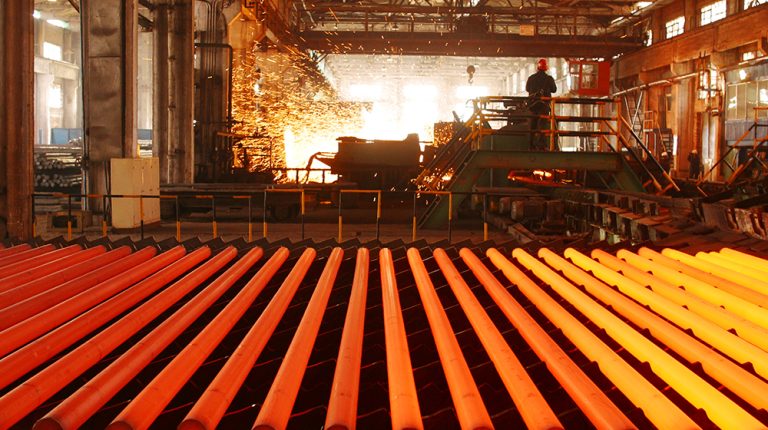
By adhering to stringent quality standards, casing pipe Manufacturers can ensure that their products are capable of withstanding the rigors of oil and gas operations. This involves using high-quality materials that are resistant to corrosion, erosion, and other forms of degradation, as well as employing advanced manufacturing techniques that result in pipes with uniform Wall thickness, precise dimensions, and consistent mechanical properties.
Furthermore, quality standards help to establish clear guidelines for testing and inspection procedures that enable Manufacturers to verify the integrity and performance of their casing pipes. Through Non-destructive testing methods such as ultrasonic testing, magnetic particle inspection, and visual examination, manufacturers can detect any defects or imperfections in the pipes and take corrective actions to address them before the pipes are deployed in the field.
In addition to ensuring the reliability and safety of casing pipes, adherence to quality standards also has broader implications for the oil and gas industry as a whole. By producing high-quality casing pipes that meet or exceed industry standards, manufacturers can enhance the efficiency and productivity of drilling operations, reduce downtime and Maintenance costs, and contribute to the overall sustainability of oil and gas production.
In conclusion, the importance of quality standards in casing pipe manufacturing cannot be overstated. By upholding rigorous standards for materials, manufacturing processes, and performance characteristics, manufacturers can produce casing pipes that are reliable, durable, and fit for purpose. This not only safeguards the integrity of oil and gas wells but also underpins the safety, efficiency, and sustainability of the industry as a whole.
– Discuss the significance of adhering to strict quality standards in the production of casing pipes
Casing pipes play a crucial role in the oil and gas industry, serving as a protective barrier for the wellbore and ensuring the integrity of the drilling operation. As such, the production of casing pipes must adhere to strict quality standards to guarantee their reliability and performance in demanding environments. Manufacturers of casing pipes must prioritize quality at every stage of the production process to meet industry requirements and ensure the safety and efficiency of oil and gas operations.
bushing CompanyOne of the primary reasons for adhering to strict quality standards in the production of casing pipes is to ensure their structural integrity. Casing pipes are subjected to high pressures, corrosive fluids, and extreme temperatures during drilling operations. Any compromise in quality can lead to catastrophic failures, such as leaks, collapses, or casing deformation, jeopardizing the wellbore integrity and posing significant risks to personnel and the environment. By maintaining stringent quality control measures, manufacturers can minimize the likelihood of such failures and enhance the overall reliability of casing pipes.
Moreover, adhering to strict quality standards is essential for meeting regulatory requirements and industry standards. The oil and gas industry is highly regulated, with stringent guidelines governing the design, manufacturing, and installation of casing pipes. Non-compliance with these standards can result in costly fines, legal liabilities, and reputational damage for manufacturers. By upholding quality standards, manufacturers can demonstrate their commitment to safety, environmental protection, and operational excellence, thereby earning the trust and confidence of stakeholders.
 Quality assurance in casing pipe production also contributes to cost-effectiveness and operational efficiency. High-quality casing pipes are more durable, resistant to corrosion, and have longer service lives, reducing the frequency of replacements and maintenance interventions. This not only lowers operational costs for oil and gas Companies but also minimizes downtime and enhances productivity. By investing in quality assurance processes, manufacturers can deliver superior products that offer long-term value to their customers and contribute to the overall sustainability of the industry.
Furthermore, strict quality standards in casing pipe production are essential for ensuring compatibility and interoperability with other components of the wellbore. Casing pipes must meet precise dimensional tolerances, material specifications, and performance criteria to function effectively within the well architecture and support the extraction of hydrocarbons. Deviations from quality standards can lead to compatibility issues, equipment failures, and operational disruptions, compromising the overall efficiency and safety of the drilling process. By adhering to quality requirements, manufacturers can guarantee the seamless integration of casing pipes into well designs and optimize the performance of the entire system.
In conclusion, the significance of adhering to strict quality standards in the production of casing pipes cannot be overstated. Quality assurance is essential for ensuring the structural integrity, regulatory compliance, cost-effectiveness, and compatibility of casing pipes in oil and gas operations. By prioritizing quality at every stage of the production process, manufacturers can deliver reliable, high-performance products that meet industry requirements, enhance operational efficiency, and uphold the safety and sustainability of the oil and gas industry.