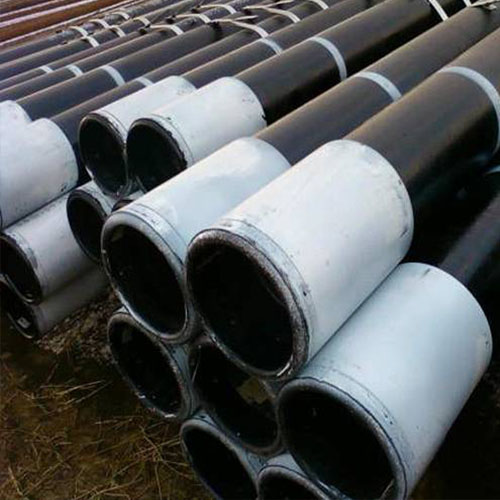
Advantages of Using Thick Casing Pipes in Construction Projects:
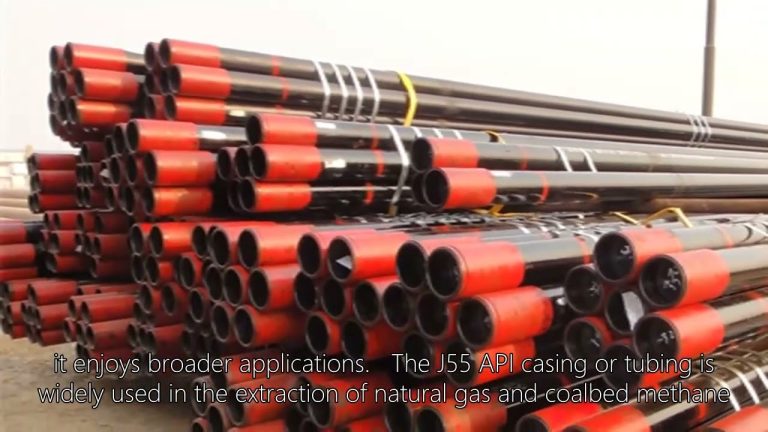
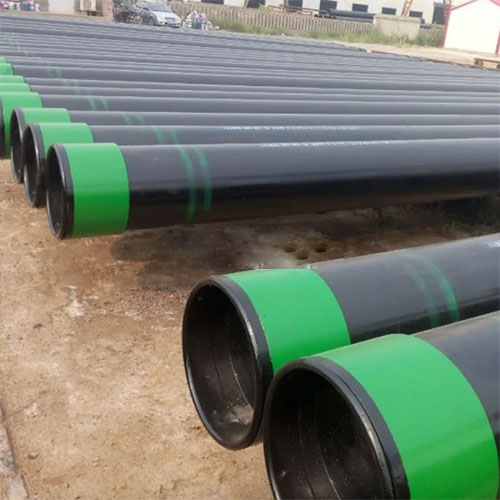
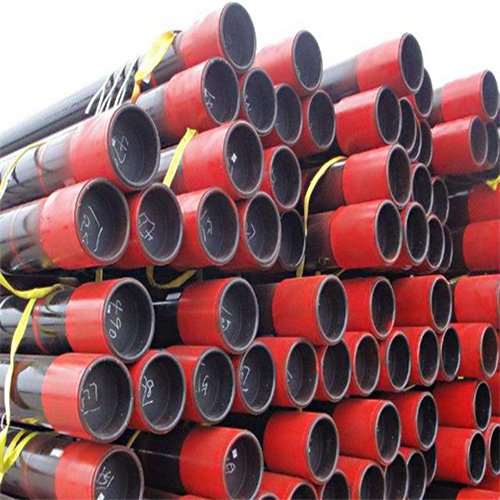
Casing Pipes play a crucial role in construction projects, providing structural support and protection to underground utilities such as water, Gas, and Oil pipelines. One key consideration when selecting casing pipes is their thickness, as it directly impacts the durability and performance of the overall infrastructure. In this article, we will explore the advantages of using thick casing pipes in construction projects.
Thick casing pipes offer enhanced strength and durability, making them ideal for withstanding external pressures and environmental factors. The thickness of a casing pipe is typically measured in terms of its Wall thickness, which can vary depending on the specific requirements of the project. Thicker casing pipes are better equipped to handle heavy loads and resist deformation, ensuring the long-term integrity of the underground infrastructure.
In construction projects where the casing pipe is subjected to high stress or pressure, opting for a thicker pipe can provide added protection against potential damage or failure. For example, in areas with unstable soil conditions or heavy traffic loads, thick casing pipes can help prevent collapse or deformation, maintaining the stability of the underground utilities.
oil Tubing Suppliers
Moreover, thick casing pipes offer improved Corrosion resistance, which is essential for ensuring the longevity of the infrastructure. Corrosion can weaken the structural integrity of casing pipes over time, leading to leaks, cracks, or failures. By choosing thick casing pipes with a protective coating or Material that resists corrosion, construction projects can mitigate the risk of deterioration and extend the lifespan of the underground utilities.
Another advantage of using thick casing pipes is their enhanced thermal insulation properties. In applications where the underground utilities are exposed to extreme temperatures or thermal fluctuations, thick casing pipes can help regulate the temperature inside the pipe, reducing the risk of damage due to expansion or contraction. This is particularly important for pipelines carrying fluids that are sensitive to temperature changes.
Furthermore, thick casing pipes provide better protection against external impacts, such as accidental excavation or construction activities in the vicinity of the underground utilities. The added thickness acts as a buffer, absorbing the force of external forces and minimizing the risk of damage to the pipes or the utilities they encase. This can help prevent costly Repairs or disruptions to the infrastructure.
In conclusion, the advantages of using thick casing pipes in construction projects are clear. From enhanced strength and durability to improved corrosion resistance and thermal insulation, thick casing pipes offer a range of benefits that contribute to the long-term performance and reliability of underground utilities. By carefully considering the thickness of casing pipes and selecting the appropriate option for the specific requirements of the project, construction professionals can ensure the successful implementation of underground infrastructure that meets the highest standards of quality and safety.
– Enhanced Durability: Thick casing pipes provide increased strength and durability, making them suitable for challenging construction environments
Casing pipes play a crucial role in various industries, particularly in construction and oil drilling. One of the key factors that determine the quality and performance of casing pipes is their thickness. The thickness of casing pipes is a critical aspect that directly impacts their durability, strength, and overall effectiveness in different applications.
Enhanced Durability:
Thick casing pipes are known for their enhanced durability. The thickness of the pipe walls provides additional strength, making them more resistant to external pressures, corrosion, and other environmental factors. In construction projects, especially in challenging environments where the pipes are subjected to heavy loads or harsh conditions, thick casing pipes are preferred for their ability to withstand stress and maintain structural integrity over time.
Strength and Structural Integrity:
The thickness of casing pipes directly influences their strength and structural integrity. Thicker walls can better support the Weight of the materials they encase, whether it’s concrete in construction or fluids in oil drilling. This added strength not only ensures the safety and stability of the overall structure but also reduces the risk of pipe failure or damage during operation.
Corrosion Resistance:
Thicker casing pipes offer improved resistance to corrosion. Corrosion is a common issue in pipes exposed to moisture, chemicals, or other corrosive elements. Thicker walls provide an additional barrier against corrosion, extending the lifespan of the pipes and reducing the need for frequent Maintenance or replacement. This is particularly important in industries like Oil and Gas, where corrosion can lead to leaks, environmental hazards, and costly repairs.
Pressure Handling Capacity:
The thickness of casing pipes also affects their ability to handle internal and external pressures. Thicker walls can withstand higher pressure levels without deforming or rupturing, making them suitable for applications that require containment of fluids or gases under high pressure. This is crucial in oil drilling operations, where casing pipes must withstand the intense pressure exerted by the reservoir fluids.

Insulation and Protection:
Thick casing pipes provide better insulation and protection for the materials they encase. In construction, thick casing pipes can help regulate temperature and prevent heat loss or gain, improving energy efficiency. In oil drilling, thick casing pipes can shield the surrounding environment from potential leaks or spills, minimizing environmental impact.
In conclusion, the thickness of casing pipes plays a significant role in determining their durability, strength, corrosion resistance, pressure handling capacity, and overall performance in various applications. Choosing the right thickness of casing pipes is essential to ensure the success and longevity of construction projects, oil drilling operations, and other industrial activities where these pipes are used. By understanding the importance of thickness in casing pipes, stakeholders can make informed decisions to select the most suitable pipes for their specific needs.