Advantages of Ultra-Strong Corrosion-Resistant Oil Casing in Deep-Sea Drilling
Deep-sea drilling operations represent a frontier in the global quest for energy resources, pushing technological boundaries to access oil reserves located deep beneath the ocean floor. Among the many critical components required for these operations, ultra-strong corrosion-resistant oil casing stands out as a magnificent asset. This specialized equipment plays a pivotal role in ensuring the integrity and efficiency of deep-sea wells, offering several distinct advantages that are paramount to the success of such ventures.
At the heart of deep-sea drilling, where extreme pressures and corrosive environments abound, the choice of oil casing Material is crucial. Ultra-strong materials, such as advanced alloys and composites, are specifically engineered to withstand the harsh conditions encountered thousands of meters below the sea surface. Their exceptional strength and Corrosion resistance not only enhance the longevity of the well but also mitigate the risk of environmental hazards associated with leaks or failures.
One of the primary advantages of ultra-strong corrosion-resistant oil casing lies in its ability to maintain structural integrity under immense pressure. Deep-sea wells operate under pressures that far exceed tHose found in terrestrial oil fields. The casing acts as a barrier, preventing the collapse of the wellbore and ensuring stable drilling conditions. This reliability is essential for the safe extraction of Oil and Gas, reducing downtime and operational risks.
Furthermore, the corrosion resistance of these materials is paramount. Seawater is highly corrosive, particularly to traditional casing materials like Steel. Ultra-strong alloys and coatings are designed to resist corrosion over prolonged exposure, thereby extending the operational life of the casing and reducing Maintenance requirements. This resistance is not just a matter of durability but also a significant factor in environmental protection, preventing potential leaks that could harm marine ecosystems.
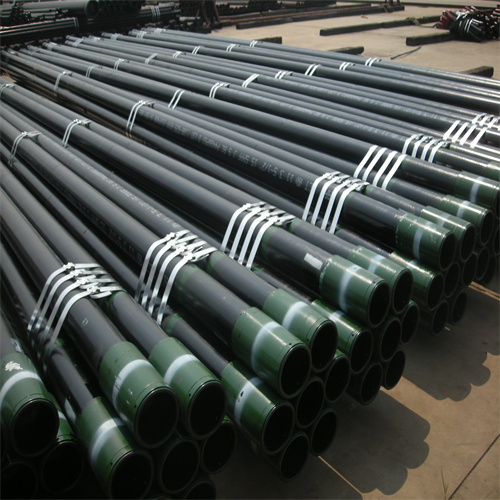
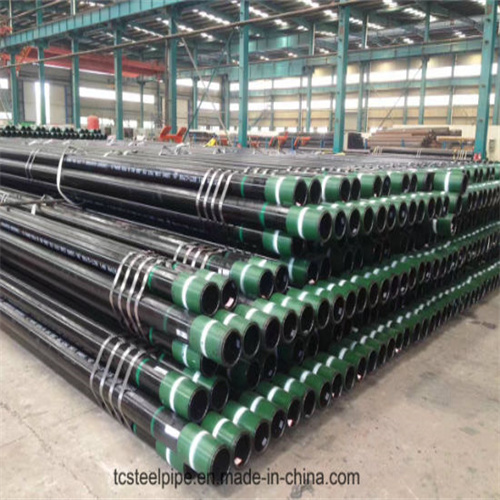
API 5ct l80 CASING china Best Factory
In addition to their mechanical and chemical properties, ultra-strong corrosion-resistant casings offer logistical advantages. Their lighter Weight compared to traditional materials can facilitate easier transportation and installation, even under challenging offshore conditions. This weight reduction contributes to overall cost savings and operational efficiency, as it simplifies logistics and reduces the need for heavy lifting equipment during deployment.
The adaptability of these materials also enhances their appeal in deep-sea drilling applications. Engineers and operators can customize casing designs to meet specific well conditions, optimizing performance and reliability. This flexibility is crucial in maximizing the efficiency of drilling operations and adapting to unforeseen challenges that may arise during exploration and production phases.
From a sustainability perspective, the use of ultra-strong corrosion-resistant oil casing aligns with global efforts to reduce environmental impact. By minimizing the risk of leaks and spills, these materials contribute to safer drilling practices that protect marine ecosystems and coastal communities. Their longevity and durability also support long-term resource management strategies, ensuring that deep-sea oil reserves can be accessed responsibly and efficiently.
As technology advances and demands for energy resources grow, the importance of reliable and efficient deep-sea drilling equipment cannot be overstated. Ultra-strong corrosion-resistant oil casing represents a critical advancement in this field, combining strength, durability, and environmental responsibility. Its role in safeguarding deep-sea wells against extreme conditions underscores its status as a magnificent asset in the arsenal of modern oil exploration and production.
In conclusion, the advantages of ultra-strong corrosion-resistant oil casing in deep-sea drilling are multifaceted and far-reaching. From enhancing safety and reliability to promoting environmental stewardship and operational efficiency, these materials exemplify the forefront of technological innovation in offshore energy extraction. As the industry contiNues to evolve, the importance of investing in such advanced technologies becomes increasingly clear, ensuring sustainable and secure access to vital energy resources deep beneath the ocean’s surface.
Future Prospects and Innovations in Deep-Sea Drilling Technologies
Deep-sea drilling stands at the frontier of technological innovation, pushing the boundaries of what is possible in extracting vital resources from the ocean depths. Among the most critical advancements propelling this field forward is the development of ultra-strong corrosion-resistant oil casing. This remarkable technology represents a magnificent asset that not only enhances operational efficiency but also ensures environmental sustainability in the challenging marine environments where deep-sea drilling occurs.
The demand for oil and gas continues to drive exploration into deeper and more remote offshore locations. These ventures pose significant engineering challenges, not least of which is the corrosive nature of seawater and the extreme pressures encountered at great depths. Traditional materials used in oil casing, such as steel, often struggle to withstand these harsh conditions over extended periods, leading to maintenance issues, environmental concerns, and operational inefficiencies.
Enter ultra-strong corrosion-resistant oil casing, a game-changing innovation designed to address these challenges comprehensively. Composed of advanced materials such as high-grade alloys and composite polymers, these casings offer unparalleled resistance to corrosion, erosion, and mechanical stress. This durability not only extends the operational lifespan of drilling equipment but also minimizes the risk of environmental contamination from leaks or failures.
Moreover, the enhanced strength of these materials allows for the Construction of thinner and lighter casings without compromising performance. This reduction in weight is crucial for deep-sea drilling operations, where every kilogram saved translates into lower transportation costs and increased payload capacity for equipment and extracted resources. Furthermore, the improved mechanical properties of these casings facilitate deeper drilling depths and more ambitious exploration projects, opening up new frontiers in offshore energy production.
From a technological standpoint, the development of ultra-strong corrosion-resistant oil casing represents a significant leap forward in materials science and engineering. Researchers and engineers continue to refine these materials, pushing the boundaries of what is possible in terms of strength, durability, and environmental compatibility. Ongoing innovations include the integration of nanotechnology to further enhance material properties and the development of smart coatings that actively monitor and mitigate corrosion in real time.

Beyond technical advancements, the adoption of these advanced materials underscores a broader commitment to sustainable development in the energy sector. By reducing the environmental footprint of deep-sea drilling operations, ultra-strong corrosion-resistant oil casing contributes to a more responsible and resilient approach to offshore resource extraction. This alignment with sustainability goals is crucial as global energy demands continue to rise, necessitating a balance between economic growth and environmental stewardship.
Looking ahead, the future prospects for ultra-strong corrosion-resistant oil casing are promising. Continued research and development efforts aim to optimize these materials further, making them more cost-effective and widely applicable across different offshore drilling scenarios. As technologies evolve, so too will the capabilities of deep-sea drilling operations, enabling greater efficiency, safety, and environmental sustainability in the quest for offshore energy resources.
In conclusion, ultra-strong corrosion-resistant oil casing represents a magnificent asset for the future of deep-sea drilling technologies. Its ability to withstand harsh marine environments, enhance operational efficiency, and promote environmental sustainability underscores its pivotal role in shaping the next generation of offshore energy exploration. As advancements continue to unfold, these materials will undoubtedly remain at the forefront of innovation, driving the industry towards safer, more efficient, and more sustainable practices in deep-sea drilling.