Unique Corrosion resistance Properties of the Oil Casing Material
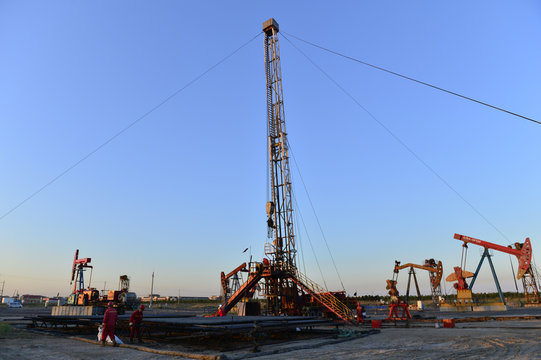
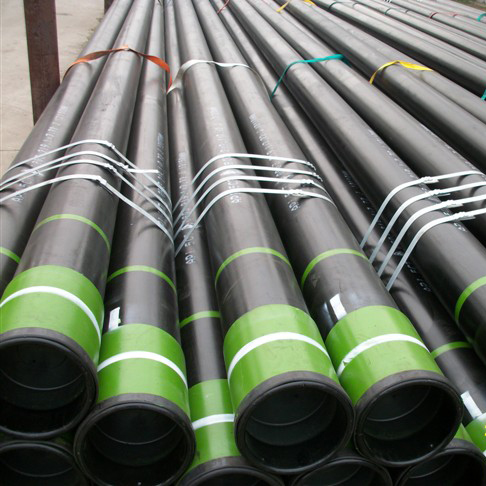
In onshore oil fields, the choice of materials for oil casing plays a pivotal role in ensuring long-term operational efficiency and environmental sustainability. One particular material stands out for its unique corrosion resistance properties: corrosion-resistant alloys (CRAs). These alloys are meticulously engineered to withstand harsh environmental conditions and corrosive substances encountered during oil extraction and production processes.
Corrosion is a persistent challenge in oil extraction operations, especially in onshore fields where environmental factors such as humidity, soil composition, and chemical agents can accelerate metal degradation. Conventional Steel casings, while strong and reliable, often require frequent Maintenance and replacement due to corrosion-induced failures. This not only increases operational costs but also poses environmental risks through leaks and spills.
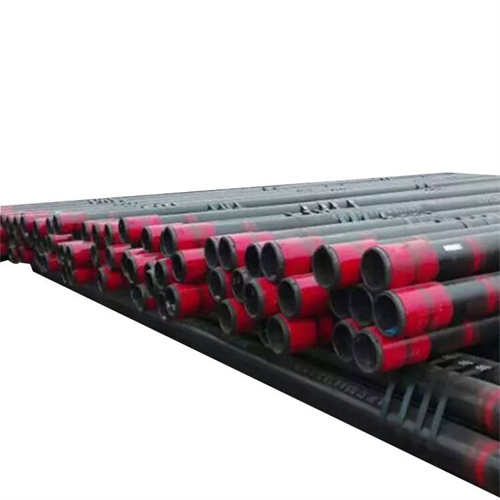
CRAs offer a distinct advantage by combining the strength of steel with enhanced resistance to corrosion. Typically composed of nickel, chromium, and molybdenum, among other elements, these alloys form a protective oxide layer when exposed to corrosive environments. This passive layer acts as a shield, preventing further degradation of the casing material and extending its operational lifespan significantly.
In practical terms, the exclusive nature of CRAs lies in their ability to maintain structural integrity over extended periods without compromising safety or operational efficiency. This reliability translates into reduced downtime for maintenance and replacement, thereby optimizing production output and minimizing environmental impact.
https://youtube.com/watch?v=mlDSyUP5RK0
Moreover, the application of CRAs in onshore oil fields aligns with sustainability goals by promoting resource efficiency and reducing waste generation. By investing in durable casing materials that withstand corrosion, operators contribute to a more sustainable oil extraction process, mitigating the environmental footprint associated with frequent equipment replacements and Repairs.
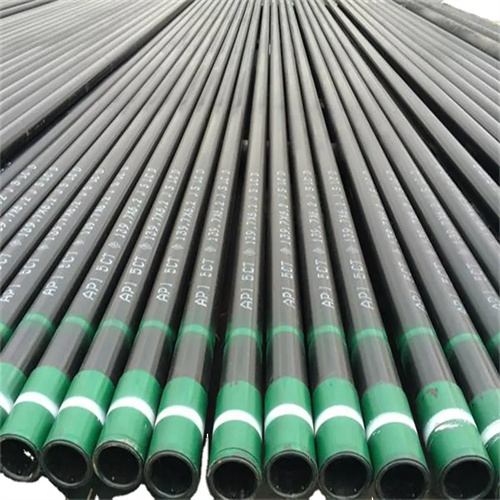
API 5ct R95 CASING Best chinese Maker
The selection of CRAs involves careful consideration of specific environmental conditions and operational requirements unique to each onshore oil field. Factors such as temperature variations, pH levels of the extracted fluids, and the presence of contaminants all influence the choice of alloy composition and casing design. Engineers and operators collaborate closely to tailor solutions that maximize performance while adhering to safety and regulatory standards.
Furthermore, ongoing research and development in materials science contiNue to refine the properties of CRAs, pushing the boundaries of what is possible in terms of corrosion resistance and mechanical strength. innovations such as nanostructured alloys and advanced surface coatings hold promise for further enhancing the longevity and performance of Oil casing materials in onshore applications.
In conclusion, the exclusivity of CRAs in onshore oil fields stems from their unparalleled corrosion resistance properties and their ability to uphold operational reliability in challenging environments. As the industry evolves towards greater efficiency and sustainability, the role of innovative materials like CRAs becomes increasingly pivotal in shaping the future of onshore oil extraction. By investing in these advanced alloys, operators not only safeguard their investments but also contribute to a more sustainable energy landscape for future generations.