Exploring Ultra-Strong Corrosion-Resistant Oil Casing in Deep-Sea Drilling
Deep-sea drilling presents one of the most challenging frontiers in the quest for energy resources. The extreme conditions found deep beneath the ocean surface demand specialized equipment that can withstand immense pressures, corrosive environments, and operational complexities. Among the crucial components essential for successful deep-sea drilling operations is the oil casing, a critical barrier that protects the wellbore and ensures the integrity of the entire drilling process.
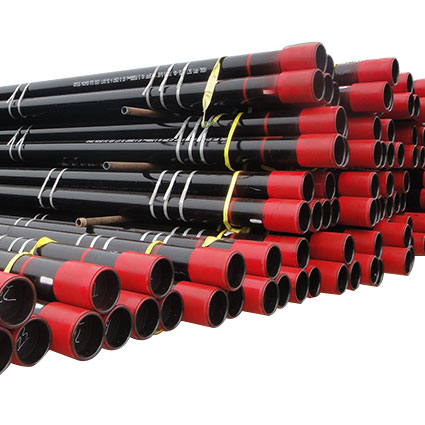
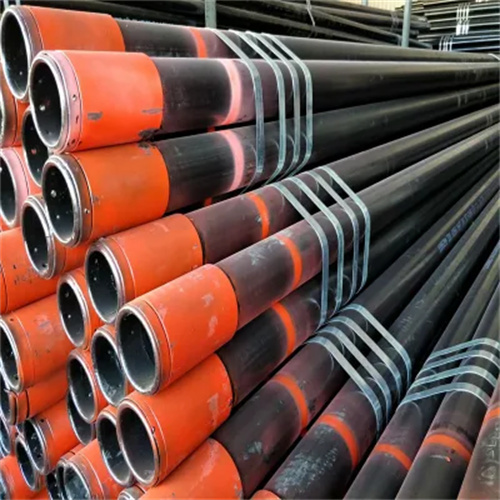
In recent years, advancements in Materials science have led to the development of ultra-strong corrosion-resistant oil casings, marking a significant breakthrough in deep-sea drilling technology. These casings are engineered to endure the harsh conditions encountered thousands of feet below the ocean surface where conventional materials would fail. The primary challenge lies in combating corrosion, which is accelerated by the high-pressure saline environment prevalent in deep-sea drilling locations.
Traditional oil casings, typically made from Steel alloys, often struggle with corrosion and mechanical integrity over time. The introduction of corrosion-resistant materials, such as high-grade Stainless Steels and advanced alloys like nickel-based alloys, has greatly enhanced the durability and performance of oil casings in deep-sea environments. These materials exhibit superior resistance to chemical attacks from seawater and hydrocarbons, ensuring prolonged service life and reliability under extreme conditions.
Moreover, the structural strength of these advanced materials allows for thinner casings without compromising integrity, reducing costs and logistical challenges associated with deep-sea drilling operations. This thinning-down approach is made possible by the inherently robust mechanical properties of the materials, which maintain structural integrity even under high external pressures and thermal gradients experienced during drilling and production processes.
 The design and manufacturing of ultra-strong corrosion-resistant oil casings also involve stringent quality control measures to ensure compliance with international standards and industry regulations. Each casing undergoes rigorous testing procedures to verify its mechanical strength, Corrosion resistance, and compatibility with downhole conditions. This meticulous approach is essential to mitigate risks associated with well integrity failures, which can lead to environmental hazards and operational setbacks.
petroleum Casing Pipe Best chinese Manufacturers
Furthermore, the adoption of these advanced oil casings contributes to sustainable practices in offshore drilling by enhancing operational efficiency and minimizing environmental impact. The prolonged lifespan of corrosion-resistant casings reduces the frequency of well interventions and replacements, thereby lowering the overall carbon footprint and operational costs associated with deep-sea exploration and production activities.
In conclusion, the development and deployment of ultra-strong corrosion-resistant oil casings represent a pivotal advancement in the field of deep-sea drilling technology. These specialized materials not only enhance the safety and reliability of offshore drilling operations but also enable access to previously inaccessible energy resources deep beneath the ocean floor. As technology contiNues to evolve, ongoing research and innovation in materials science will likely lead to further enhancements in oil casing technology, promising continued advancements in the efficiency and sustainability of deep-sea drilling practices worldwide.