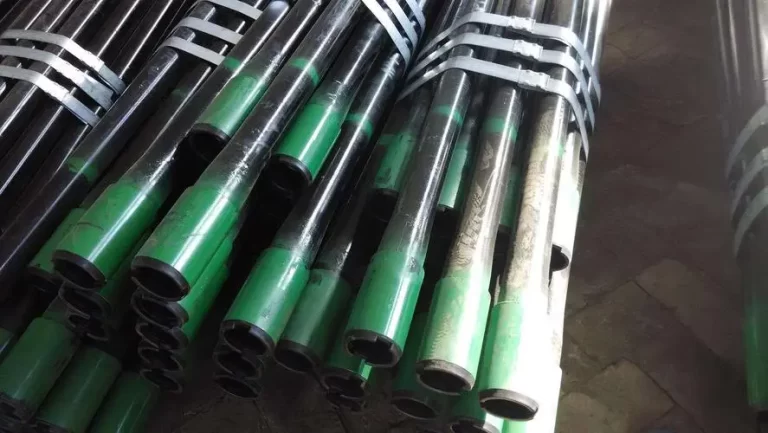
Sustainability Practices in Oil Casing Manufacturing
The Oil and Gas industry plays a crucial role in the global economy, providing energy for various sectors. Within this industry, the manufacturing of oil casing is a critical component that ensures the extraction and transportation of oil and gas resources. As sustainability becomes an increasingly important focus across industries, including oil and gas, the practices in oil casing manufacturing are also evolving to align with environmental considerations.
One of the key trends in oil casing manufacturing is the shift towards eco-friendly Materials. Companies are exploring the use of sustainable materials that have a lower environmental impact compared to traditional materials. This shift is driven by the growing awareness of the need to reduce carbon emissions and minimize the industry’s ecological footprint. By adopting eco-friendly materials, such as recycled Steel or composite materials, Manufacturers can contribute to a more sustainable future for the oil and gas sector.
In addition to the materials used, the manufacturing processes themselves are being optimized for sustainability. Energy-efficient manufacturing techniques are being implemented to reduce energy consumption and minimize waste generation. By incorporating advanced technologies and automation into the production process, manufacturers can improve efficiency while reducing their environmental impact. These sustainable practices not only benefit the environment but also contribute to cost savings for companies in the long run.
Another important aspect of sustainability in oil casing manufacturing is the emphasis on recycling and reuse. Companies are increasingly focusing on developing closed-loop systems that allow for the recycling of used oil casings. By reusing materials from decommissioned wells, manufacturers can reduce the demand for new raw materials and minimize waste generation. This circular approach to manufacturing not only conserves resources but also helps to mitigate the environmental impact of the industry.
Q195 Carbon steel PipeFurthermore, the adoption of digital technologies is transforming the way oil casing manufacturing is carried out. Advanced data analytics and machine learning algorithms are being used to optimize production processes and improve quality control. By leveraging real-time data insights, manufacturers can identify inefficiencies, reduce defects, and enhance overall productivity. This digitalization of manufacturing not only enhances sustainability but also drives innovation within the industry.
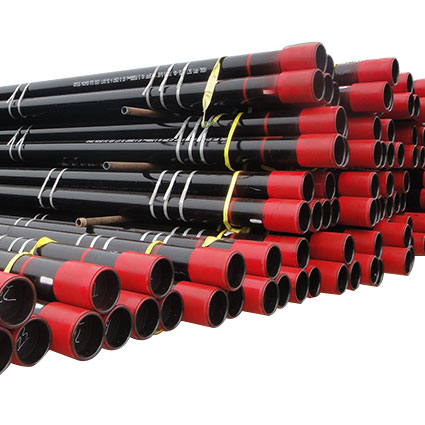
Looking ahead, the future of oil casing manufacturing in the oil and gas industry is likely to be shaped by contiNued advancements in sustainability practices. Companies will need to stay abreast of evolving regulations and consumer preferences to remain competitive in a r APIdly changing landscape. By prioritizing sustainability in their manufacturing processes, oil casing Manufacturers can not only reduce their environmental impact but also contribute to a more sustainable future for the industry as a whole.
Digital Transformation Impact on Oil Casing Design and Production
The oil and gas industry has always been at the forefront of technological advancements, constantly evolving to meet the demands of a changing world. One area that has seen significant transformation in recent years is oil casing design and production. As digital transformation continues to reshape industries across the globe, its impact on oil casing cannot be overlooked.
Digital technologies have revolutionized the way oil casing is designed and manufactured. Advanced software tools now allow engineers to create intricate casing designs with precision and efficiency. These digital tools enable simulations that help optimize casing performance under various conditions, leading to more robust and reliable designs.
Moreover, digitalization has streamlined the production process of oil casing. Automation and robotics have enhanced manufacturing capabilities, reducing human error and increasing production speed. This not only improves efficiency but also ensures consistent quality across all casing components.
The integration of Internet of Things (IoT) devices in oil casing has opened up new possibilities for real-time monitoring and Maintenance. Smart casing equipped with sensors can provide valuable data on casing integrity, temperature, and pressure, allowing operators to detect potential issues before they escalate. This proactive approach to maintenance can significantly reduce downtime and operational costs.
Furthermore, the use of big data analytics in oil casing design has revolutionized the industry. By analyzing vast amounts of data collected from sensors and simulations, engineers can gain valuable insights into casing performance and make informed decisions to optimize design parameters. This data-driven approach leads to more efficient designs that meet the specific requirements of each well.
Artificial intelligence (AI) is another game-changer in oil casing design and production. AI algorithms can analyze complex data sets to identify patterns and trends that human engineers may overlook. This capability not only accelerates the design process but also enhances the overall performance and reliability of oil casing systems.
Looking ahead, the future of oil casing in the oil and gas industry is poised for further innovation. Emerging technologies such as 3D printing hold the potential to revolutionize casing manufacturing, allowing for customized designs with intricate geometries that were previously unattainable. Additionally, advancements in materials science are paving the way for stronger and more durable casing materials that can withstand harsh operating conditions.
In conclusion, the digital transformation impact on oil casing design and production is reshaping the oil and gas industry. By leveraging digital technologies, companies can create more efficient, reliable, and cost-effective casing solutions that meet the evolving needs of the industry. As we move towards a more connected and data-driven future, the role of digitalization in oil casing will continue to drive innovation and set new standards for excellence in the field.