Understanding the Differences and Applications of drill Pipe and Oil Casing Steels
The Oil and Gas industry is a sphere of complex engineering feats, and among the many components that allow these miracles of engineering to function Smoothly, the Materials used often don’t get the limelight they deserve. Two such vital components are the drill pipe and oil casing, each made from distinct steel grades which have been designed to withstand the harsh and varied conditions of drilling operations.
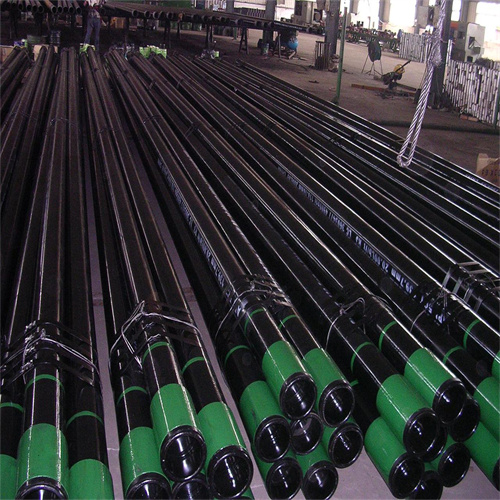
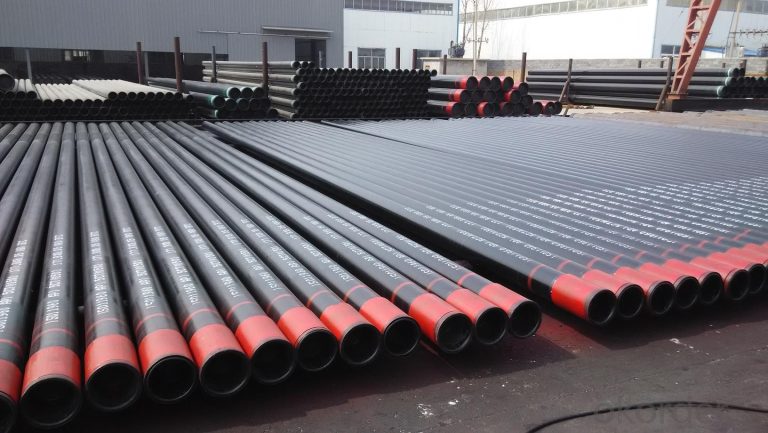
Drill pipe, as the name suggests, is used in the drilling phase of oil and gas extraction. It forms the drill string, which is an important part of the drilling apparatus, and is primarily responsible for facilitating the drilling process. For this purpose, the steel used in the manufacture of drill pipe is typically of a higher grade, often in the E, X, or G grades according to the American Petroleum Institute ( API) standards. This high-grade steel is robust and capable of withstanding the immense strain, torsion, and pressure experienced during drilling operations. It is vital that the steel used for drill Pipes be of a high standard to ensure the overall success of the drilling process.
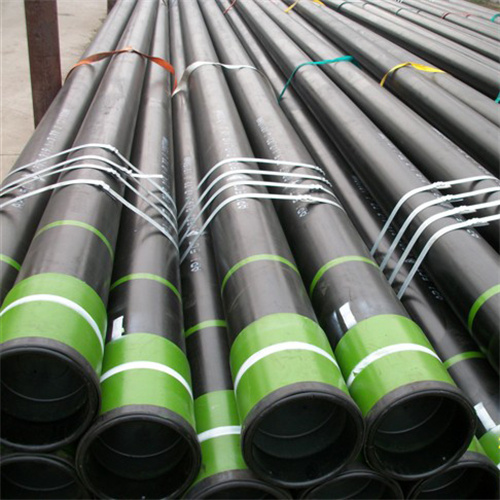
On the other hand, oil casing is used after the drilling process to line the wellbore and prevent it from collapsing. It also serves to isolate different layers of the formation to prevent the crossflow of drilling fluid and oil or gas. As such, the steel used for oil casing doesn’t need to be as high-grade as that used for drill pipe. Typically, the steel grades used for oil casing fall into the H, J, K, N, and P categories, as per API standards. The primary attribute required of casing steel is its resistance to corrosion, given that it remains static in the wellbore, exposed to various corrosive substances.
oil pipe china Best Company
However, it’s crucial to note that the choice of steel grades for both drill pipe and oil casing is not fixed but rather depends on the specific conditions of the drilling operation. Various factors such as the depth of the well, the geological conditions, the pressure and temperature conditions, and the type of oil or gas being extracted can influence the choice of steel grade.
In conclusion, while both drill pipe and oil casing are integral to the oil and gas extraction process, the differences in their functions necessitate the use of different steel grades. The high strain and pressure during drilling require the use of high-grade steel for drill pipes, while the more static role of oil casing and its exposure to corrosive substances dictate the need for corrosion-resistant steel. These differences underline the complexity and precision involved in oil and gas extraction, and the importance of choosing the right materials for the task.
Decoding Steel Grades: A Comparative Study of Drill Pipe and Oil casing materials
The exploration and extraction of oil, a vital resource in our modern world, rely significantly on the quality and durability of drill pipes and oil casings. These components, integral to the drilling system, are manufactured from different grades of steel, each with its unique properties and applications. Understanding the differences in these steel grades between drill pipe and oil casing helps to appreciate the complexities of the oil drilling industry.
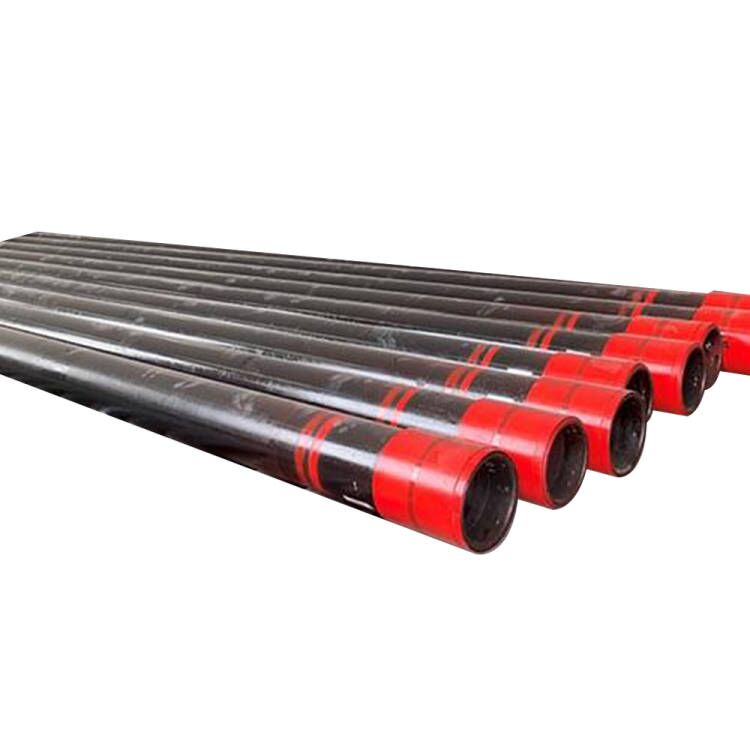
Drill pipes, the backbone of the drilling string, bear the brunt of the drilling process. They are subjected to high rotational forces, making it imperative for them to be strong, durable, and resistant to wear. The steel grades used in drill pipes are often high-strength low-alloy steels (HSLA) such as G105 and S135. These grades, boasting a balance of strength, ductility, and resistance to fatigue, are engineered to withstand the harsh drilling conditions. The S135 grade, with its higher yield strength, is often preferred for drilling deeper and more challenging wells.
Casing Pipe,casing well pipe, casing supreme pipe, casing vs carrier pipe, casing for ac pipe, casing Steel Pipe, casing pipe size, casing pvc pipe Price, casing pipe, casing pipe Suppliers in China, casing capping pipe, casing drill pipe,carrier pipe,casing pipe size,bushing flange,bushing Sleeve,bushing,bushing arm,bushing bearing,bushing reducer,bushing tool,bushing pvc,bushing meaningOn the other hand, oil casings serve to line and protect the wellbore from collapsing, preventing contamination of the well and the surrounding groundwater. Unlike drill pipes, casings remain stationary and aren’t subjected to the same rotational stress. The steel grades used in casing pipes need to exhibit high compressive strength and Corrosion resistance. Grades like J55, K55, N80, and l80 are common in casing pipes, with each serving different well conditions and depths. For instance, the N80 grade, with its superior tensile strength and corrosion resistance, is suitable for wells with a high gas-to-oil ratio.
Transitioning to a comparative perspective, it is evident that the steel grades for drill pipe and casing are cHosen based on their specific roles. The high-strength and fatigue resistance of G105 and S135 equip drill pipes to handle the dynamic stresses of drilling, while the compressive strength and corrosion resistance of J55, K55, N80, and L80 make them ideal for casing applications.
However, there is more to these choices than just the physical properties. The economic factor also plays a crucial role in the selection process. Higher grade steels like S135 for drill pipes or N80 for casings are more expensive due to their superior properties and the added cost of alloying elements. Therefore, the choice of steel grade is a delicate balance between performance requirements and cost-effectiveness.
In conclusion, the differences in steel grades between drill pipe and oil casing are instrumental in ensuring the efficiency and safety of oil drilling operations. These differences, rooted in the unique requirements of each component, underline the intricate decision-making involved in selecting the right material for the right application. Whether it’s the high-strength low-alloy