तेल आवरण सामग्री के लिए उच्च गुणवत्ता वाले स्टील का उपयोग करने के लाभ
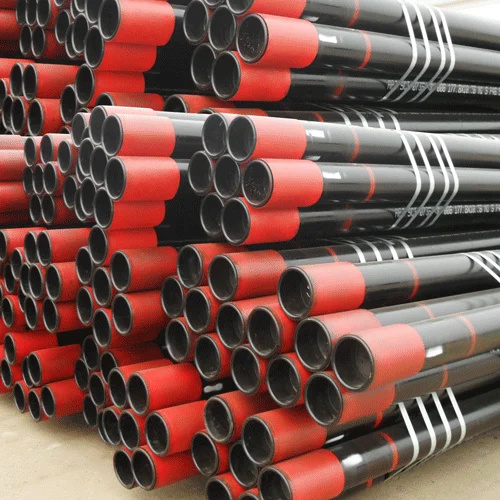
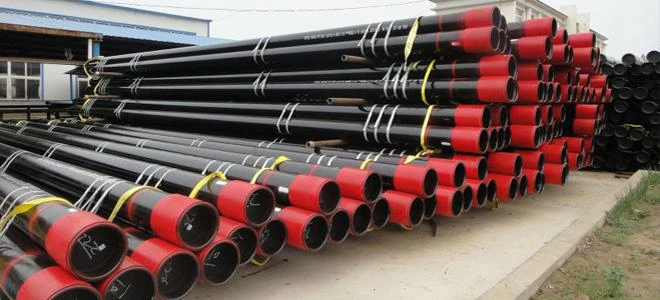
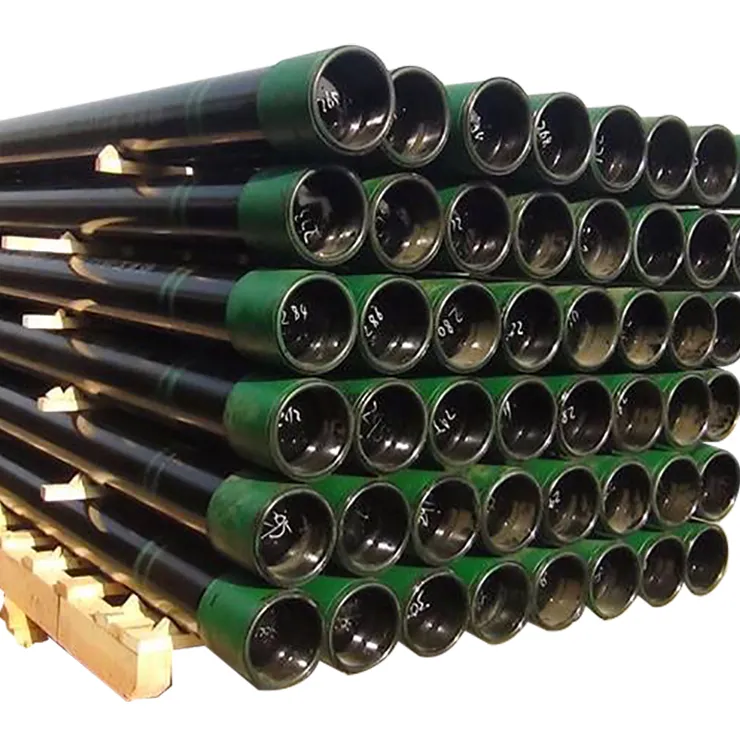
तेल आवरण सामग्री तेल और गैस उद्योग में एक महत्वपूर्ण भूमिका निभाती है, जो ड्रिलिंग और उत्पादन कार्यों के दौरान कुओं के लिए संरचनात्मक समर्थन और सुरक्षा प्रदान करती है। आवरण सामग्री का चुनाव एक महत्वपूर्ण निर्णय है जो कुएं के समग्र प्रदर्शन और दीर्घायु को प्रभावित कर सकता है। तेल आवरण सामग्री के चयन में प्रमुख विचारों में से एक उनके निर्माण में प्रयुक्त स्टील की गुणवत्ता है।
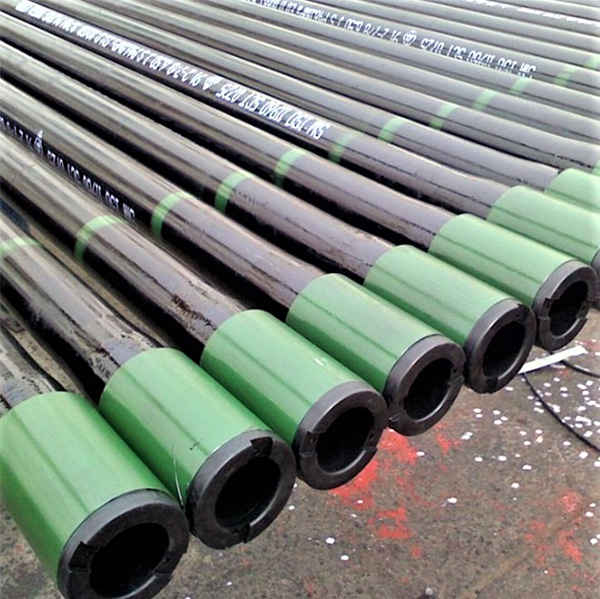
एपीआई 5सीटी एल80 9सीआर केसिंग चीनी सर्वश्रेष्ठ निर्माता
तेल आवरण सामग्री के रूप में उपयोग किए जाने पर उच्च गुणवत्ता वाला स्टील कई प्रकार के लाभ प्रदान करता है। प्राथमिक लाभों में से एक इसकी ताकत और स्थायित्व है। उच्च गुणवत्ता वाला स्टील उच्च दबाव, संक्षारण और अत्यधिक तापमान का सामना करने की क्षमता के लिए जाना जाता है, जो इसे तेल और गैस कुओं में आने वाली कठिन परिस्थितियों के लिए आदर्श बनाता है। यह मजबूती और स्थायित्व कुएं की अखंडता सुनिश्चित करने में मदद करता है, संरचनात्मक विफलताओं और रिसाव के जोखिम को कम करता है जिससे महंगी मरम्मत और पर्यावरणीय क्षति हो सकती है।
ताकत के अलावा, उच्च गुणवत्ता वाला स्टील संक्षारण के लिए उत्कृष्ट प्रतिरोध भी प्रदान करता है। पर्यावरण में हाइड्रोजन सल्फाइड और कार्बन डाइऑक्साइड जैसे संक्षारक तत्वों की उपस्थिति के कारण तेल और गैस कुओं में संक्षारण एक आम चुनौती है। उच्च गुणवत्ता वाले स्टील का उपयोग करके, जिसे विशेष रूप से संक्षारण का विरोध करने के लिए डिज़ाइन किया गया है, ऑपरेटर आवरण के जीवन को बढ़ा सकते हैं और समय से पहले विफलता को रोक सकते हैं। तेल आवरण सामग्री के लिए उच्च गुणवत्ता वाले स्टील का उपयोग करने का एक अन्य लाभ विभिन्न समापन तकनीकों के साथ इसकी अनुकूलता है। उच्च गुणवत्ता वाले स्टील के आवरणों को आसानी से वेल्ड, थ्रेडेड और युग्मित किया जा सकता है, जिससे कुशल स्थापना और कुएं के अन्य घटकों से कनेक्शन की अनुमति मिलती है। यह बहुमुखी प्रतिभा उच्च गुणवत्ता वाले स्टील को उन ऑपरेटरों के लिए पसंदीदा विकल्प बनाती है जो अपने कुओं के प्रदर्शन और विश्वसनीयता को अनुकूलित करना चाहते हैं। इसके अलावा, उच्च गुणवत्ता वाला स्टील क्रूरता और लचीलापन जैसे उत्कृष्ट यांत्रिक गुण प्रदान करता है। ये गुण ड्रिलिंग, समापन और उत्पादन कार्यों के दौरान अनुभव होने वाले तनाव और तनाव का सामना करने के लिए आवश्यक हैं। बेहतर यांत्रिक गुणों के साथ उच्च गुणवत्ता वाले स्टील का उपयोग करके, ऑपरेटर कुएं की समग्र अखंडता और स्थिरता सुनिश्चित कर सकते हैं, जिससे महंगे डाउनटाइम और रखरखाव का जोखिम कम हो जाता है। इसके अलावा, उच्च गुणवत्ता वाला स्टील अपनी स्थिरता और एकरूपता के लिए जाना जाता है। रासायनिक संरचना और सूक्ष्म संरचना। यह एकरूपता पूर्वानुमानित प्रदर्शन और विश्वसनीयता सुनिश्चित करती है, जिससे ऑपरेटरों को आवरण सामग्री की अखंडता में विश्वास हो सकता है। लगातार स्टील की गुणवत्ता गुणवत्ता नियंत्रण और निरीक्षण प्रक्रियाओं को भी सरल बनाती है, संचालन को सुव्यवस्थित करने और दोषों या विफलताओं की संभावना को कम करने में मदद करती है। अंत में, तेल आवरण सामग्री की पसंद एक महत्वपूर्ण निर्णय है जो तेल के प्रदर्शन और दीर्घायु पर महत्वपूर्ण प्रभाव डाल सकती है गैस कुँए. आवरण सामग्री के लिए उच्च गुणवत्ता वाले स्टील का चयन करके, ऑपरेटर इसकी ताकत, स्थायित्व, संक्षारण प्रतिरोध, समापन तकनीकों के साथ संगतता, यांत्रिक गुणों और स्थिरता से लाभ उठा सकते हैं। ये लाभ न केवल कुएं की समग्र अखंडता और विश्वसनीयता को बढ़ाते हैं बल्कि लागत बचत, परिचालन दक्षता और पर्यावरण संरक्षण में भी योगदान करते हैं। उच्च गुणवत्ता वाला स्टील उन ऑपरेटरों के लिए शीर्ष पसंद बना हुआ है जो अपने तेल और गैस कुओं के प्रदर्शन और दीर्घायु को अधिकतम करना चाहते हैं।
विभिन्न तेल आवरण सामग्री विकल्पों का पर्यावरणीय प्रभाव
तेल आवरण सामग्री तेल और गैस उद्योग में एक महत्वपूर्ण भूमिका निभाती है, जो वेलबोर के लिए एक सुरक्षात्मक बाधा के रूप में कार्य करती है और पृथ्वी से संसाधनों के कुशल निष्कर्षण को सुनिश्चित करती है। आवरण सामग्री का चुनाव न केवल कुएं के प्रदर्शन और दीर्घायु को प्रभावित करता है, बल्कि पर्यावरण पर भी महत्वपूर्ण प्रभाव डालता है। इस लेख में, हम विभिन्न तेल आवरण सामग्रियों की वास्तविक विशेषताओं पर गौर करेंगे और उनके पर्यावरणीय प्रभाव का पता लगाएंगे।
तेल आवरण के लिए सबसे अधिक उपयोग की जाने वाली सामग्रियों में से एक स्टील है। स्टील के आवरण अपनी मजबूती, स्थायित्व और संक्षारण प्रतिरोध के लिए जाने जाते हैं। वे वेलबोर को उत्कृष्ट यांत्रिक सुरक्षा प्रदान करते हैं, जिससे उसके परिचालन जीवन के दौरान कुएं की अखंडता सुनिश्चित होती है। स्टील केसिंग भी अत्यधिक बहुमुखी हैं, जो कुएं की विशिष्ट आवश्यकताओं के आधार पर अनुकूलन की अनुमति देते हैं। हालांकि, स्टील केसिंग का उत्पादन पर्यावरणीय चुनौतियों के अपने सेट के साथ आता है। स्टील की विनिर्माण प्रक्रिया में लौह अयस्क और कोयला जैसे कच्चे माल का निष्कर्षण शामिल होता है, जिसका पर्यावरण पर महत्वपूर्ण प्रभाव पड़ सकता है। इसके अतिरिक्त, इस्पात उत्पादन की ऊर्जा-गहन प्रकृति ग्रीनहाउस गैस उत्सर्जन में योगदान करती है, जिससे जलवायु परिवर्तन और अधिक बढ़ जाता है।
हाल के वर्षों में, वैकल्पिक आवरण सामग्री में रुचि बढ़ रही है जो पर्यावरणीय प्रभाव को कम करते हुए स्टील के बराबर प्रदर्शन प्रदान करती है। ऐसी ही एक सामग्री है मिश्रित आवरण, जो फाइबर और रेजिन के संयोजन से बनाई जाती है। कंपोजिट केसिंग हल्के, संक्षारण प्रतिरोधी होते हैं, और पारंपरिक स्टील केसिंग की तुलना में इनका जीवनकाल लंबा होता है।
कंपोजिट केसिंग के उपयोग से तेल और गैस संचालन के पर्यावरणीय पदचिह्न को कम करने में मदद मिल सकती है। मिश्रित सामग्रियों की विनिर्माण प्रक्रिया में आमतौर पर कम ऊर्जा की आवश्यकता होती है और इस्पात उत्पादन की तुलना में कम उत्सर्जन होता है। इसके अतिरिक्त, मिश्रित आवरण गैर-संक्षारक होते हैं, जो पर्यावरण को नुकसान पहुंचाने वाले रासायनिक उपचारों की आवश्यकता को समाप्त करते हैं। तेल आवरण सामग्री के लिए एक और पर्यावरण अनुकूल विकल्प पुनर्नवीनीकरण स्टील है। आवरण उत्पादन के लिए पुनर्नवीनीकरण स्टील का उपयोग करके, कंपनियां कुंवारी सामग्रियों की मांग को कम कर सकती हैं और इस्पात निर्माण के पर्यावरणीय प्रभाव को कम कर सकती हैं। पुनर्नवीनीकरण स्टील केसिंग नए स्टील केसिंग के समान प्रदर्शन और स्थायित्व प्रदान करते हैं, जिससे वे तेल और गैस संचालन के लिए एक टिकाऊ विकल्प बन जाते हैं। पर्यावरण। जबकि पारंपरिक स्टील आवरण उत्कृष्ट यांत्रिक गुण प्रदान करते हैं, वे उत्पादन और उत्सर्जन से संबंधित पर्यावरणीय चुनौतियों के साथ आते हैं। मिश्रित आवरण और पुनर्नवीनीकरण स्टील जैसी वैकल्पिक सामग्री टिकाऊ विकल्प प्रदान करती है जो तेल और गैस संचालन के पर्यावरणीय पदचिह्न को कम करने में मदद कर सकती है। विभिन्न आवरण सामग्रियों की वास्तविक विशेषताओं पर सावधानीपूर्वक विचार करके, कंपनियां पर्यावरणीय जिम्मेदारी के साथ प्रदर्शन आवश्यकताओं को संतुलित करने वाले सूचित निर्णय ले सकती हैं।