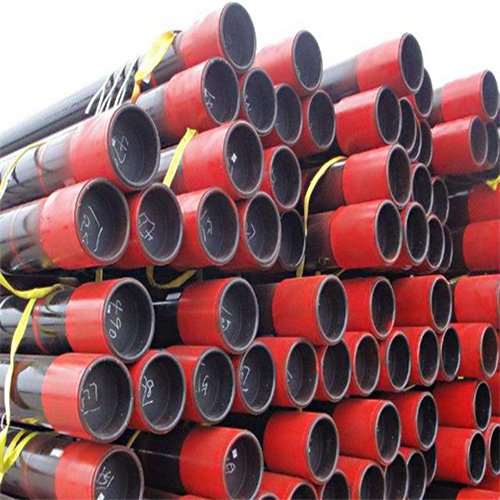
Sure, here are two blog topics about different types of Oil Casing used in the process:
Different Types of Oil Casing Used in the Process
In the complex and demanding world of oil drilling, the selection of the right type of oil casing plays a crucial role in ensuring the success and efficiency of the drilling process. Oil casing refers to the Steel Pipe that is used to line the drilled wellbore, providing structural support and preventing the collapse of the well walls. With varying geological conditions and drilling requirements, different types of oil casing are employed to meet the specific needs of each drilling operation. In this article, we will explore some of the most commonly used types of oil casing and their respective advantages.
One of the widely used types of oil casing is the seamless casing. As the name suggests, seamless casing is manufactured without any seams or welds, resulting in a Smooth and uniform pipe. This type of casing is highly resistant to corrosion and can withstand high pressure and temperature conditions. Its seamless Construction ensures greater strength and integrity, minimizing the risk of failure during the drilling process. Seamless casing is particularly suitable for deep and challenging drilling operations where reliability and durability are of utmost importance.
Another type of oil casing commonly used in the drilling process is the electric resistance welded (ERW) casing. Unlike seamless casing, erw casing is manufactured by welding the edges of the steel strip to form a cylindrical pipe. This type of casing is known for its cost-effectiveness and ease of production. ERW casing also offers good dimensional accuracy and can be easily customized to meet specific drilling requirements. However, it is important to note that ERW casing is more susceptible to corrosion compared to seamless casing, making it less suitable for corrosive drilling environments.
For drilling operations that require enhanced resistance to corrosion, corrosion-resistant alloy (CRA) casing is often employed. CRA casing is made from special alloys that exhibit superior Corrosion resistance properties, such as Stainless Steel and nickel alloys. These alloys are specifically designed to withstand harsh drilling conditions, including high temperatures, pressures, and corrosive fluids. CRA casing provides excellent protection against corrosion, extending the lifespan of the well and minimizing the need for costly Repairs and Maintenance.
In certain drilling scenarios where the wellbore requires isolation from different formations, cemented casing is utilized. Cemented casing involves the placement of cement between the casing and the wellbore walls, creating a barrier that prevents fluid migration and ensures the stability of the well. This type of casing is commonly used in well completion operations, where the primary objective is to achieve zonal isolation and prevent the intermixing of formation fluids.
In conclusion, the selection of the appropriate oil casing is essential in ensuring the success and efficiency of the drilling process. From seamless casing to ERW casing, corrosion
The Importance of Oil Casing in the Extraction Process:
Different Types of Oil Casing Used in the Process
The Importance of Oil Casing in the Extraction Process
Oil drilling is a complex and intricate operation that requires the use of various equipment and Materials to ensure a smooth and efficient extraction process. One such crucial component is oil casing. In this article, we will explore the different types of oil casing used in the process and highlight their importance.
Oil casing serves as a protective barrier between the wellbore and the surrounding environment. It plays a vital role in maintaining the integrity and stability of the well, preventing any potential leaks or collapses. With the increasing depths and complexities of oil reservoirs, the selection of appropriate oil casing becomes crucial for a successful drilling operation.
Casing
There are several types of oil casing used in the extraction process, each with its own unique characteristics and advantages. Let’s delve into some of the most commonly used ones:
1. Conventional Casing:
Conventional casing is the most basic type of oil casing used in the extraction process. It is typically made of steel and is designed to withstand the high pressures and temperatures encountered during drilling. This type of casing is commonly used in shallow and medium-depth wells.
2. Premium casing:
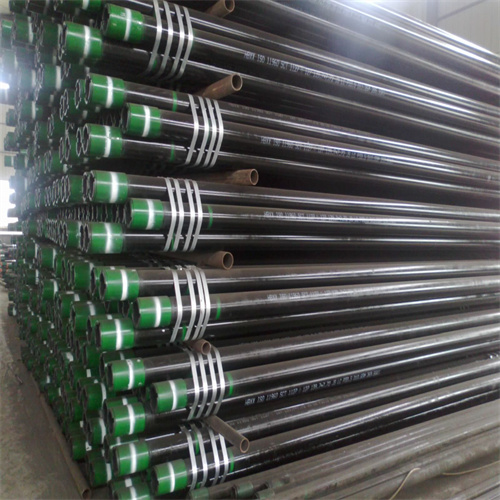 Premium casing is a higher-grade and more advanced type of oil casing, which offers enhanced resistance to corrosion and mechanical damage. It is manufactured using alloys or special steel grades, making it suitable for harsh drilling environments. Premium casing is commonly used in deepwater drilling and offshore operations.
3. slotted casing:
Slotted casing is a specialized type of oil casing that features small openings or slots along its Length. These slots allow for the filtration of fluids while preventing the entry of unwanted particles or sand. Slotted casing is commonly used in wells with high water production or in sandy formations.
4. Expandable Casing:
Expandable casing is a unique type of oil casing that can expand or contract to fit the wellbore. This flexibility allows for easier installation and eliminates the need for multiple casing sizes. Expandable casing is commonly used in unconventional drilling operations, such as hydraulic fracturing, where the wellbore undergoes significant changes in size.
Casing Pipe,casing well pipe, casing supreme pipe, casing vs carrier pipe, casing for ac pipe, casing steel pipe, casing pipe size, casing pvc pipe Price, casing pipe, casing pipe Suppliers in china, casing capping pipe, casing drill pipe,carrier pipe,casing pipe size,bushing flange,bushing Sleeve,bushing,bushing arm,bushing bearing,bushing reducer,bushing tool,bushing pvc,bushing meaning
5. Perforated Casing:
Perforated casing is similar to slotted casing, but instead of small openings, it features larger perforations or holes. These holes are strategically placed to allow for the controlled entry of oil or Gas into the wellbore. Perforated casing is commonly used in production wells to optimize fluid flow and enhance well productivity.
The importance of oil casing in the extraction process cannot be overstated. It not only protects the wellbore but also ensures the safety of the surrounding environment by preventing any potential leaks or spills. Furthermore,