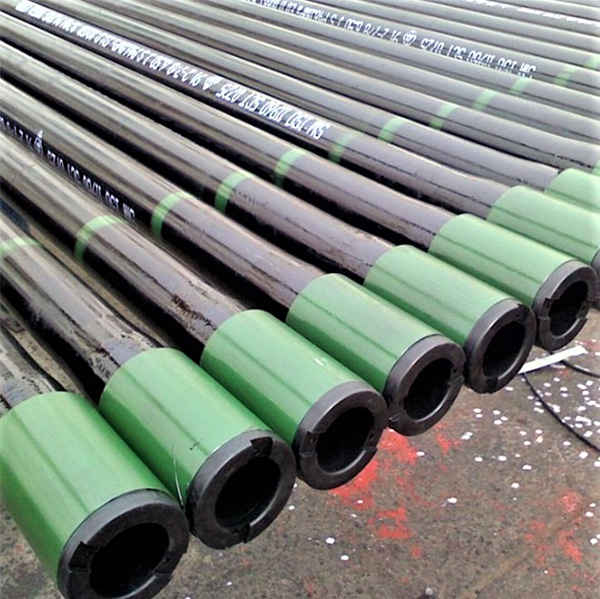
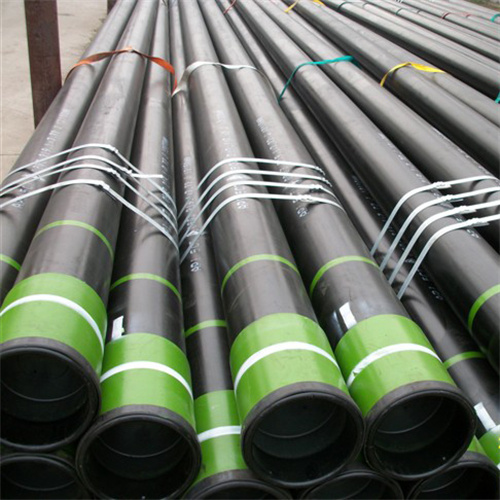
Types of Casing in well completion:
What are the different types of casing in well completion?
Types of Casing in Well Completion:
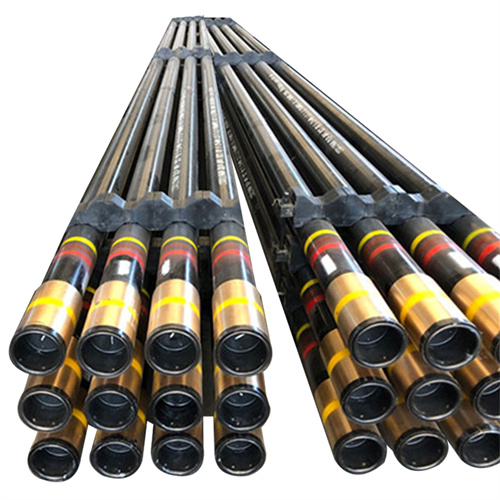
Well completion is a crucial process in the Oil and Gas industry that involves several steps to ensure the safe and efficient extraction of hydrocarbons from underground reservoirs. One important component of well completion is the casing, which plays a vital role in maintaining the integrity of the wellbore and protecting it from external forces. In this article, we will explore the different types of casing used in well completion, their characteristics, and their specific applications.
1. conductor casing:
The first type of casing used in well completion is the conductor casing. It is typically the largest Diameter casing and is installed at the top of the wellbore. The conductor casing provides structural support for the subsequent casings and prevents the collapse of the wellbore during drilling operations. It also prevents the contamination of shallow aquifers by isolating them from deeper formations.
2. surface casing:
After the conductor casing is installed, the next type of casing used is the surface casing. It is smaller in diameter and extends from the top of the wellbore to a certain depth, depending on regulatory requirements and geological considerations. The surface casing provides additional support to the wellbore and acts as a barrier to prevent the migration of fluids from the reservoir to the surface.
3. Intermediate Casing:
The intermediate casing is the next type of casing used in well completion. It is installed after the surface casing and extends deeper into the wellbore. The intermediate casing provides further support and isolation of different geological formations. Additionally, it helps control well pressure and prevents the uncontrolled flow of fluids or gas during the drilling and completion process.
4. production casing:
The production casing is the final type of casing used in well completion. It is the smallest diameter casing and extends all the way to the reservoir depth. The production casing is designed to withstand the high pressures and temperatures encountered during production operations. It provides a conduit for the extraction of hydrocarbons from the reservoir to the surface while maintaining the integrity of the wellbore.
Each type of casing serves a specific purpose in well completion and is selected based on various factors such as well depth, formation characteristics, and regulatory requirements. The choice of casing is crucial to ensure the safety and efficiency of the well. Proper installation and Cementing of casings are essential to maintain well integrity and prevent any leaks or failures during the production phase.
In conclusion, well completion involves the use of different types of casing to protect the wellbore, support the drilling process, and ensure the safe extraction of hydrocarbons. The conductor casing, surface casing, intermediate casing, and production casing
– Conductor Casing: This is the first casing that is installed during well Construction. It provides structural integrity and prevents the wellbore from collapsing. The conductor casing is usually larger in diameter and is cemented to the surface to stabilize the well
What are the different types of casing in well completion?
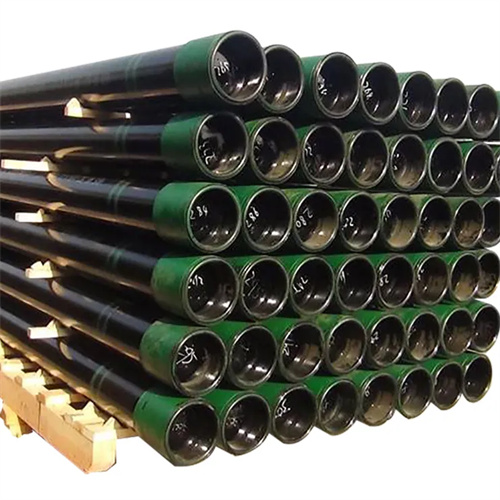
Well completion is a crucial stage in the process of drilling oil and gas wells. It involves the installation of various types of casing to provide structural integrity and prevent the wellbore from collapsing. In this article, we will explore the different types of casing used in well completion and their significance in ensuring the safe and efficient extraction of oil and gas resources.
The first type of casing we will discuss is the conductor casing. This is the initial casing that is installed during well construction. Its primary purpose is to provide structural support and prevent the wellbore from collapsing. The conductor casing is typically larger in diameter compared to other Casing strings and is cemented to the surface to stabilize the well. This casing plays a vital role in maintaining the integrity of the well by withstanding the Weight of subsequent casing strings and the drilling fluid.
API 5ct l80 CASING china Best SuppliersNext, we have the surface casing. Once the conductor casing is in place, the surface casing is installed. The surface casing serves as a barrier between the wellbore and the surrounding formations, preventing any potential contamination of groundwater or other subsurface resources. It also provides additional structural support to the well. The surface casing is typically cemented to the surface, creating a secure Seal that prevents any fluid migration or Leakage.
Moving further down the wellbore, we encounter the intermediate casing. The intermediate casing is installed at a depth below the surface casing and above the production casing. Its purpose is to isolate certain formations and prevent any potential well control issues. The intermediate casing provides additional support and helps maintain the integrity of the well during the drilling process. It also serves as a barrier between different zones within the wellbore, preventing the mixing of fluids and ensuring efficient production.
Finally, we have the production casing. This is the casing that is installed at the final stage of well completion, just before the production phase begins. The production casing is designed to withstand the high pressures and temperatures associated with oil and gas production. It provides a conduit for the extraction of hydrocarbons from the reservoir to the surface. The production casing is cemented in place to create a secure and reliable seal, ensuring the safe and efficient flow of oil and gas to the surface.
Casing Pipe,casing well pipe, casing supreme pipe, casing vs carrier pipe, casing for ac pipe, casing Steel Pipe, casing pipe size, casing pvc pipe Price, casing pipe, casing pipe Suppliers in China, casing capping pipe, casing drill pipe,carrier pipe,casing pipe size,bushing flange,bushing Sleeve,bushing,bushing arm,bushing bearing,bushing reducer,bushing tool,bushing pvc,bushing meaningIn conclusion, well completion involves the installation of various types of casing to ensure the structural integrity of the well and prevent any potential wellbore collapse. The conductor casing provides the initial support, while the surface casing acts as a barrier to protect surrounding formations. The intermediate casing isolates different zones within the wellbore, and the production casing facilitates the extraction of oil and gas. Each type of casing serves a crucial role