Emerging Technologies Impacting Oil Casing Industry Competitiveness
The oil casing industry is a critical component of the Oil and Gas sector, providing the necessary infrastructure for drilling and extracting oil from the ground. As technology contiNues to advance, the competitive landscape of the oil casing industry is constantly evolving. In this article, we will examine the technical environment of the oil casing industry and how emerging technologies are impacting its competitiveness.
One of the key technological advancements that is sh APIng the oil casing industry is the development of advanced Materials. Traditionally, oil casings were made from Steel, but new materials such as composite materials and alloys are now being used to improve the performance and longevity of casings. These advanced materials offer greater resistance to corrosion and wear, which can extend the lifespan of oil casings and reduce Maintenance costs for oil Companies.
| Serial Number | Product Name |
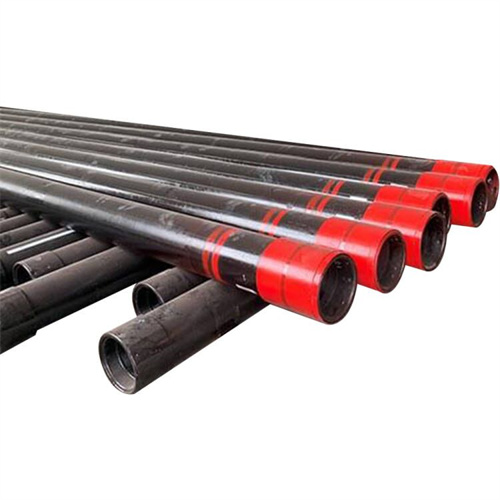
| 1 | Seamless Pipes |
In addition to advanced materials, digital technologies are also playing a significant role in the oil casing industry. The use of sensors and data analytics allows oil companies to monitor the performance of oil casings in real-time, enabling them to detect potential issues before they escalate into costly problems. This proactive approach to maintenance can help oil companies improve the efficiency and reliability of their operations, giving them a competitive edge in the market.
Furthermore, automation and robotics are revolutionizing the manufacturing process of oil casings. Automated systems can produce casings with greater precision and efficiency, reducing the time and labor required to manufacture them. This not only lowers production costs but also improves the quality and consistency of oil casings, making them more reliable and durable in the field.
Another emerging technology that is impacting the competitiveness of the oil casing industry is 3D printing. This additive manufacturing process allows for the rapid prototyping and production of complex geometries, enabling oil companies to create customized casings that are tailored to their specific needs. 3D printing also reduces waste and energy consumption compared to traditional manufacturing methods, making it a more sustainable option for the industry.
As the oil casing industry continues to embrace these emerging technologies, it is important for companies to stay ahead of the curve and invest in research and development to remain competitive. By adopting advanced materials, digital technologies, automation, robotics, and 3D printing, oil companies can improve the performance, efficiency, and reliability of their operations, ultimately driving growth and profitability in a highly competitive market.
In conclusion, the technical environment of the oil casing industry is constantly evolving, driven by emerging technologies that are reshaping the competitive landscape. By leveraging advanced materials, digital technologies, automation, robotics, and 3D printing, oil companies can enhance the performance and efficiency of their operations, giving them a competitive edge in the market. It is essential for companies in the oil casing industry to embrace these technological advancements and invest in innovation to stay ahead of the competition and thrive in an ever-changing industry.
Analysis of Key Players in the Oil Casing Industry
The oil casing industry is a critical component of the oil and gas sector, providing the necessary infrastructure for drilling and extracting oil from the ground. As such, it is a highly competitive landscape with several key players vying for market share. In this article, we will examine the technical environment of the oil casing industry and analyze the competitive landscape of the key players in the market.
One of the key technical aspects of the oil casing industry is the materials used in the production of Casing Pipes. Traditionally, steel has been the material of choice due to its strength and durability. However, in recent years, there has been a shift towards using alternative materials such as composite materials and alloys to improve performance and reduce costs. This shift has led to increased competition among Manufacturers to develop innovative materials that meet the demanding requirements of the oil and gas industry.
Another important technical aspect of the oil casing industry is the manufacturing process. The production of casing Pipes involves several complex steps, including pipe forming, welding, heat treatment, and inspection. Manufacturers must adhere to strict quality control standards to ensure that the pipes meet the required specifications for strength, Corrosion resistance, and dimensional accuracy. As a result, companies that invest in advanced manufacturing technologies and processes have a competitive advantage in the market.
In addition to materials and manufacturing processes, technological advancements in drilling and extraction techniques have also had a significant impact on the oil casing industry. The development of horizontal drilling and hydraulic fracturing technologies has increased the demand for casing pipes that can withstand higher pressures and temperatures. This has led to the introduction of new products such as Premium casing pipes with enhanced performance characteristics.
The competitive landscape of the oil casing industry is dominated by a few key players who have established a strong presence in the market. These companies have extensive manufacturing capabilities, a global distribution network, and a reputation for delivering high-quality products. Some of the leading players in the industry include Vallourec, Tenaris, TMK Group, and National Oilwell Varco.
Vallourec is a French multinational Company that specializes in the production of Steel Pipes for the oil and gas industry. The company has a strong presence in key markets such as North America, Europe, and the Middle East, and is known for its innovative products and solutions. Tenaris, on the other hand, is an Argentinean company that is one of the largest manufacturers of Seamless Steel Pipes in the world. The company has a diverse product portfolio that includes casing pipes, Tubing, and accessories for the oil and gas industry.
TMK Group is a Russian company that is one of the leading producers of steel pipes for the oil and gas industry. The company has a global presence with manufacturing facilities in Russia, the United States, and Europe, and is known for its high-quality products and technical expertise. National Oilwell Varco is an American company that provides equipment and services to the oil and gas industry, including casing pipes, drilling equipment, and completion tools. The company has a strong reputation for innovation and customer service, making it a key player in the oil casing industry.
oil pipeline
In conclusion, the oil casing industry is a highly competitive landscape with several key players vying for market share. The technical environment of the industry is characterized by advancements in materials, manufacturing processes, and drilling technologies. Companies that invest in innovation and quality control have a competitive advantage in the market. Leading players such as Vallourec, Tenaris, TMK Group, and National Oilwell Varco have established a strong presence in the industry and are well-positioned to capitalize on the growing demand for oil casing products.
Sustainability Practices in the Oil Casing Industry
The oil casing industry is a critical component of the global energy sector, providing the infrastructure necessary for the extraction and transportation of oil and gas resources. As the demand for energy continues to rise, the oil casing industry faces increasing pressure to meet this demand while also addressing environmental concerns and sustainability issues.
One of the key challenges facing the oil casing industry is the need to balance economic growth with environmental responsibility. The extraction and production of oil and gas can have significant environmental impacts, including air and water pollution, habitat destruction, and greenhouse gas emissions. In response to these challenges, many companies in the oil casing industry are implementing sustainability practices to minimize their environmental footprint and reduce their impact on the planet.
One of the most important sustainability practices in the oil casing industry is the use of environmentally friendly materials and technologies. Traditional Oil casing materials, such as steel, can have a significant environmental impact due to the energy-intensive production process and the emissions generated during manufacturing. In response to these concerns, many companies are exploring alternative materials, such as composite materials or recycled steel, that offer similar performance characteristics while reducing the environmental impact of oil casing production.
In addition to using environmentally friendly materials, companies in the oil casing industry are also implementing energy-efficient technologies to reduce their carbon footprint. This includes the use of renewable energy sources, such as solar or wind power, to power manufacturing facilities and reduce reliance on fossil fuels. Companies are also investing in energy-efficient equipment and processes to minimize energy consumption and reduce greenhouse gas emissions.
Another important sustainability practice in the oil casing industry is the implementation of waste reduction and recycling programs. The production of oil casing generates a significant amount of waste, including scrap metal, packaging materials, and other byproducts. By implementing waste reduction and recycling programs, companies can minimize the amount of waste sent to landfills and reduce their overall environmental impact.
Furthermore, companies in the oil casing industry are also focusing on improving the efficiency of their operations to reduce resource consumption and minimize environmental impact. This includes optimizing production processes, reducing water usage, and implementing sustainable supply chain practices to minimize the environmental impact of sourcing raw materials and transporting finished products.
Overall, sustainability practices in the oil casing industry are essential for addressing environmental concerns and ensuring the long-term viability of the industry. By using environmentally friendly materials and technologies, implementing energy-efficient practices, reducing waste, and improving operational efficiency, companies in the oil casing industry can minimize their environmental footprint and contribute to a more sustainable future for the energy sector. As the industry continues to evolve, it is essential for companies to prioritize sustainability and embrace innovative solutions to address the challenges of a changing world.