Sustainability Practices in Oil Casing for Shale Operations
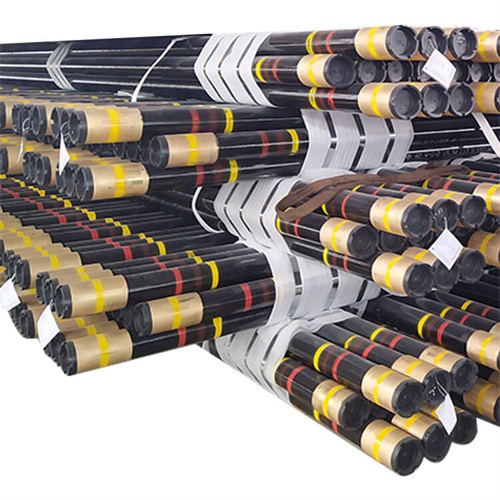
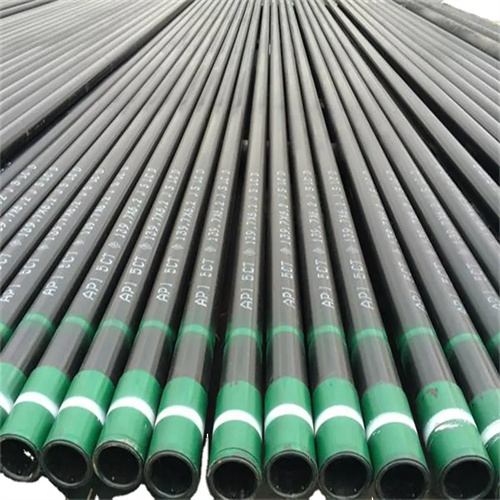
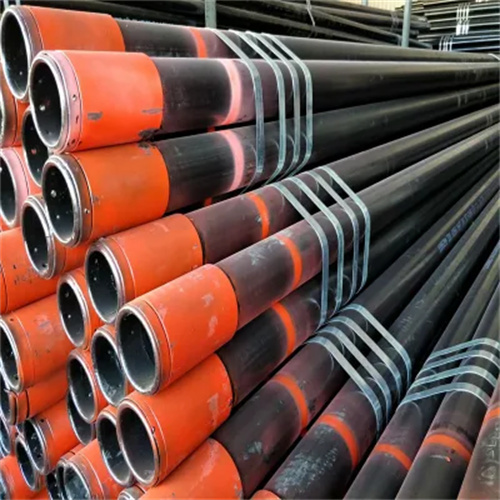
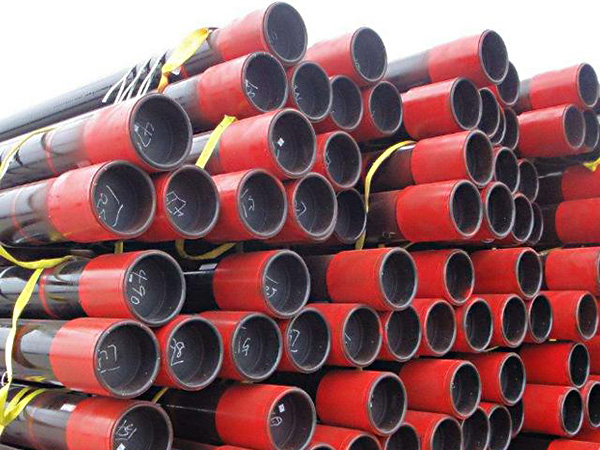
The future of oil casing in shale Oil and Gas operations holds significant importance as the industry contiNues to evolve. Sustainability practices in oil casing for shale operations are becoming increasingly crucial in the quest for more environmentally friendly and efficient energy production. As technology advances and environmental concerns grow, the expectations and trends in oil casing are shifting towards more sustainable solutions.
One of the key trends in oil casing for shale operations is the development of eco-friendly Materials. Companies are exploring alternatives to traditional casing materials that are more sustainable and have a lower environmental impact. These materials not only reduce the carbon footprint of operations but also contribute to the overall sustainability of the industry.
Another important trend is the focus on recycling and reusing casing materials. Instead of disposing of used casings, companies are now looking into ways to recycle and repurpose them. This not only reduces waste but also helps conserve resources and lower costs in the long run. By implementing recycling programs, companies can minimize their environmental impact and promote a circular economy within the industry.
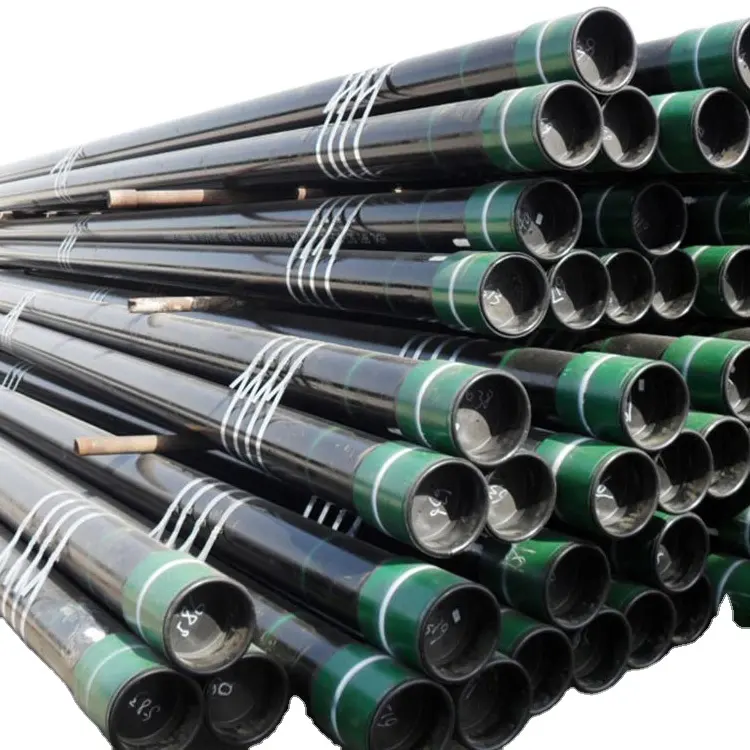
Furthermore, the use of advanced technologies in oil casing is expected to increase in the coming years. innovations such as smart casing that can monitor well conditions in real-time and self-healing casing that can Repair minor damages autonomously are on the horizon. These technologies not only improve the efficiency and safety of operations but also contribute to the overall sustainability of shale oil and gas production.
In addition to technological advancements, there is a growing emphasis on regulatory compliance and transparency in oil casing practices. Companies are expected to adhere to strict environmental regulations and disclose their casing materials and processes to ensure accountability and trust among stakeholders. By promoting transparency and compliance, the industry can build a more sustainable and responsible reputation.
Moreover, the shift towards digitalization and data-driven decision-making is expected to transform oil casing practices in shale operations. By leveraging big data analytics and artificial intelligence, companies can optimize casing designs, predict Maintenance needs, and improve overall operational efficiency. This data-driven approach not only enhances performance but also reduces environmental impact by minimizing resource wastage.
Overall, the future trends and expectations of oil casing in shale oil and gas operations are moving towards sustainability, innovation, and responsibility. By embracing eco-friendly materials, recycling practices, advanced technologies, regulatory compliance, and data-driven decision-making, the industry can pave the way for a more sustainable and efficient future. As the demand for energy continues to rise, it is imperative for companies to adopt these trends and practices to ensure a greener and more sustainable energy landscape for generations to come.
Automation and Robotics in Oil casing installation for Shale Oil and Gas
The future of oil casing in shale oil and gas operations is r APIdly evolving, driven by advancements in automation and robotics. These technologies are revolutionizing the way oil casing is installed in shale oil and gas fields, offering increased efficiency, safety, and cost-effectiveness. Automation and robotics play a crucial role in streamlining the casing installation process, reducing human intervention, and enhancing overall operational performance.
One of the key trends in oil casing installation for shale oil and gas is the integration of autonomous robotic systems. These robots are designed to perform complex tasks with precision and accuracy, minimizing the margin of error in casing installation. By leveraging artificial intelligence and machine learning algorithms, these robots can adapt to changing environmental conditions and optimize the casing placement process.
Furthermore, the use of drones in oil casing operations is gaining momentum. Drones equipped with advanced sensors and cameras can conduct aerial surveys of the well site, providing real-time data on the terrain and potential obstacles. This data is invaluable for planning the casing installation process and ensuring optimal placement of the Casing strings.
oil casing ManufacturerAnother significant trend is the development of remote-controlled casing installation systems. These systems allow operators to remotely monitor and control the casing installation process from a centralized location. By eliminating the need for on-site personnel, remote-controlled systems enhance safety and reduce operational costs.
Moreover, the integration of Internet of Things (IoT) technology in oil casing operations is transforming the way data is collected and analyzed. IoT sensors embedded in the casing strings can provide real-time information on casing integrity, temperature, pressure, and other critical parameters. This data enables operators to make informed decisions and proactively address potential issues before they escalate.
In addition to automation and robotics, 3D printing technology is poised to revolutionize the manufacturing of oil casing components. By using additive manufacturing techniques, companies can produce customized casing parts with intricate designs and superior strength. This not only reduces lead times but also enhances the overall quality and performance of the casing.
Overall, the future trends and expectations of oil casing in shale oil and gas operations are centered around automation, robotics, and advanced technologies. These innovations are reshaping the industry landscape, driving efficiency, safety, and sustainability in casing installation processes. As the industry continues to embrace these technologies, we can expect further advancements that will redefine the way oil casing is installed and operated in shale oil and gas fields.
Digitalization and IoT Integration in Monitoring Oil Casing Integrity in Shale Operations
The oil and gas industry is constantly evolving, with new technologies and trends shaping the way operations are conducted. In shale oil and gas operations, the integrity of oil casing plays a crucial role in ensuring the efficiency and safety of the extraction process. As the industry moves towards digitalization and the integration of Internet of Things (IoT) devices, monitoring oil casing integrity has become more sophisticated and efficient.
Digitalization has revolutionized the way oil and gas companies monitor and manage their assets. By leveraging advanced sensors and data analytics, operators can now track the condition of oil casing in real-time. This real-time monitoring allows for early detection of potential issues, enabling proactive maintenance and minimizing downtime.
The integration of IoT devices further enhances the monitoring capabilities in shale operations. IoT sensors embedded in oil casing can provide a wealth of data regarding temperature, pressure, and structural integrity. This data is transmitted wirelessly to a central monitoring system, where it is analyzed to identify trends and anomalies. By harnessing the power of IoT, operators can make data-driven decisions to optimize production and ensure the longevity of oil casing.
One of the key benefits of digitalization and IoT integration is predictive maintenance. By analyzing historical data and monitoring real-time conditions, operators can predict when maintenance is required before a failure occurs. This proactive approach not only reduces the risk of costly downtime but also extends the lifespan of oil casing, ultimately improving operational efficiency.
Moreover, the use of digital twins has gained traction in the oil and gas industry. A digital twin is a virtual replica of physical assets, such as oil casing, that mimics its behavior in real-time. By creating a digital twin of oil casing, operators can simulate different operating conditions and scenarios to optimize performance and identify potential issues before they arise.
As the industry continues to embrace digitalization and IoT integration, the future of oil casing in shale operations looks promising. Enhanced monitoring capabilities, predictive maintenance, and the use of digital twins are revolutionizing how operators manage their assets. By leveraging these technologies, companies can improve operational efficiency, reduce costs, and ensure the integrity of oil casing in the challenging environment of shale oil and gas operations.
In conclusion, digitalization and IoT integration are driving significant advancements in monitoring oil casing integrity in shale operations. These technologies are empowering operators to make informed decisions, optimize production, and enhance safety. As the industry progresses towards a more connected and data-driven future, the role of digitalization in ensuring the longevity and efficiency of oil casing will continue to be paramount.