Enhanced Durability and Performance of Oil Casing Materials in Harsh Environments
Oil casing materials have long been critical components in the Petroleum Industry, serving to protect wellbores and ensure efficient extraction of Oil and Gas reserves. However, the challenges posed by extreme environments such as high-pressure, high-temperature (HPHT) conditions have necessitated continuous advancements in material science and engineering. Recently, a significant breakthrough has been achieved with the development of a new generation of oil casing that promises enhanced durability and performance in these harsh settings.
Traditionally, oil casings have been made from Steel alloys due to their strength and Corrosion resistance properties. While effective in many scenarios, these materials often face limitations when exposed to HPHT conditions, where thermal expansion, corrosion, and mechanical stresses can compromise their integrity over time. Recognizing these challenges, researchers and engineers have focused on developing alloys that can withstand higher temperatures and pressures without sacrificing performance.
One of the key innovations in this field involves the use of advanced nickel-based alloys. These alloys exhibit superior mechanical properties and corrosion resistance compared to conventional steels, making them ideal candidates for HPHT environments. By carefully tuning the composition and microstructure of these alloys, researchers have been able to enhance their thermal stability and mechanical strength, thereby extending their operational limits in oil and gas wells.
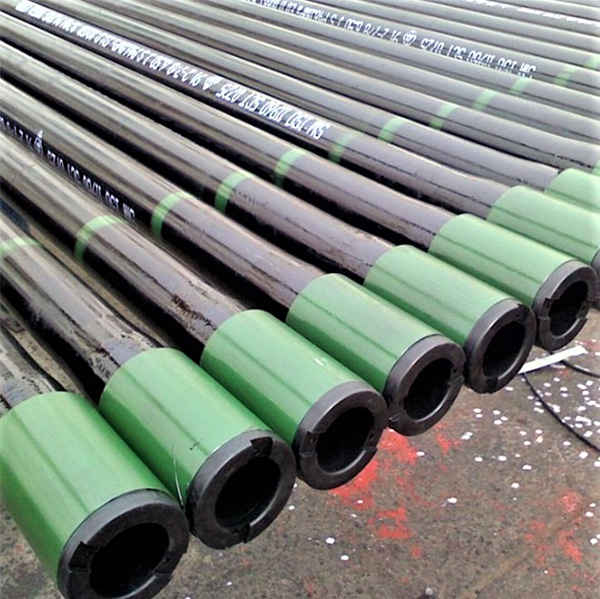
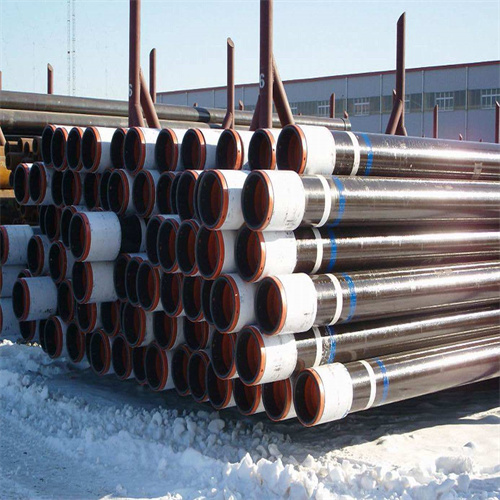
casing sizes and gradesIn addition to alloy composition, the manufacturing process plays a crucial role in optimizing the performance of oil casing materials. Advanced manufacturing techniques such as precision casting and controlled heat treatment allow for the production of casings with precise dimensional accuracy and improved microstructural integrity. These factors are critical in ensuring that the casings can withstand the harsh conditions encountered during oil and gas extraction operations.
Furthermore, the design of the casing itself has been refined to enhance its resistance to external pressures and corrosive environments. Innovations such as improved Thread profiles and Sealing mechanisms help prevent gas Leakage and maintain structural integrity over extended periods. This not only improves operational safety but also reduces Maintenance costs associated with well interventions.
The application of these advanced materials and technologies has already demonstrated significant benefits in real-world scenarios. Oil and gas Companies have reported increased reliability and longevity of wells equipped with the latest generation of oil casings. This translates into improved production efficiency and reduced downtime, ultimately leading to enhanced profitability for operators.
Looking ahead, ongoing research contiNues to explore new avenues for further enhancing the performance of oil casing materials. Emerging technologies such as nanotechnology and additive manufacturing hold promise for creating casings with even greater durability and tailored properties. These advancements are crucial as the industry strives to access increasingly challenging reservoirs while maintaining sustainable and efficient extraction practices.
In conclusion, the development of advanced oil casing materials represents a significant breakthrough in enabling operations in extreme environments. By leveraging innovative alloys, manufacturing techniques, and design principles, engineers have been able to push the boundaries of what is achievable in terms of durability and performance. As the industry evolves, these advancements will play a pivotal role in ensuring the continued viability of oil and gas production in the face of ever-changing operational challenges.