Legal Compliance Requirements
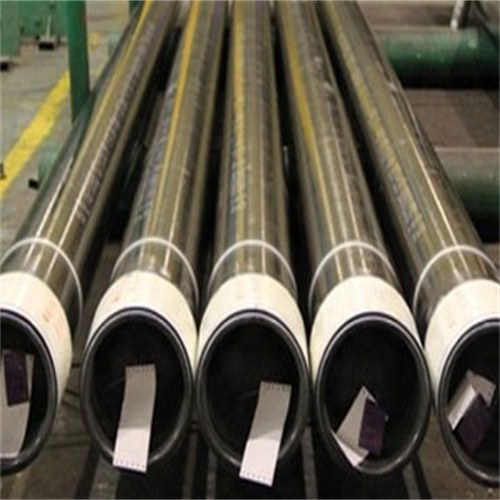
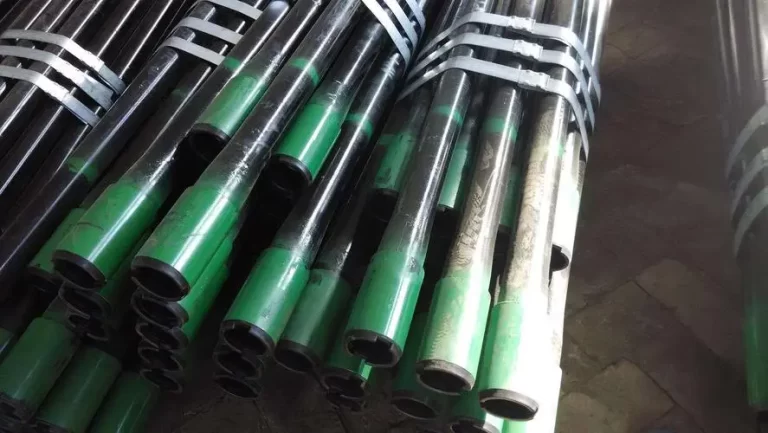
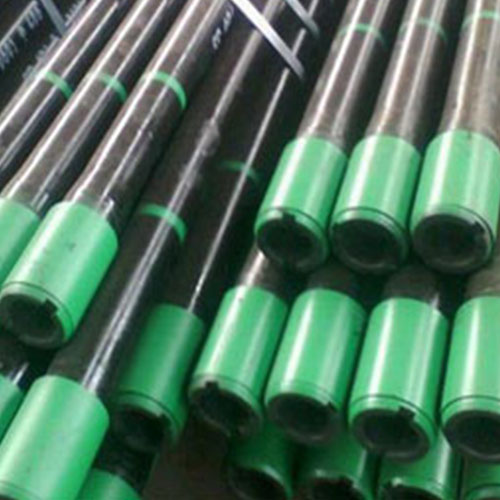
In the realm of Oil and Gas exploration and production, legal compliance is paramount, particularly concerning The use of Oil Casing. Oil casing serves as a critical component in the drilling process, providing structural integrity to the wellbore and ensuring the safe extraction of hydrocarbons. The specific necessities of oil casing in various registration application domains are closely tied to legal compliance requirements, which vary by jurisdiction but generally encompass safety, environmental protection, and operational standards.
To begin with, one of the primary legal compliance requirements involves adherence to safety regulations. Regulatory bodies mandate that oil casing must meet specific Material and design standards to withstand the pressures and conditions encountered during drilling operations. This includes compliance with industry standards set forth by organizations such as the American Petroleum Institute ( API) and other relevant authorities. These standards dictate the specifications for casing materials, including their tensile strength, Corrosion resistance, and overall durability. Failure to comply with these safety regulations can result in severe penalties, including fines and the suspension of drilling operations, underscoring the necessity of proper casing in maintaining legal compliance.
Moreover, environmental protection is another critical aspect of legal compliance that directly influences the requirements for oil casing. Regulatory frameworks often stipulate that operators must implement measures to prevent contamination of groundwater and surrounding ecosystems. This necessitates the use of high-quality casing that can effectively isolate the wellbore from the surrounding geological formations. In many jurisdictions, operators are required to submit detailed plans outlining how they will ensure environmental protection, including the specifications for the casing to be used. This not only involves selecting appropriate materials but also ensuring that the installation process adheres to best practices to prevent leaks and spills. Consequently, the necessity of oil casing extends beyond mere structural support; it is integral to fulfilling environmental obligations mandated by law.
Steel Pipe Best chinese wholesalerIn addition to safety and environmental considerations, operational standards also play a significant role in the legal compliance landscape. Different regions may have specific operational guidelines that dictate how casing should be installed, tested, and maintained throughout the life of the well. For instance, some jurisdictions require operators to conduct regular inspections and pressure tests on the casing to ensure its integrity over time. These operational standards are designed to mitigate risks associated with well failures, which can have catastrophic consequences for both human safety and the environment. Therefore, understanding and adhering to these operational requirements is essential for legal compliance and the successful registration of drilling applications.
Furthermore, the legal landscape surrounding oil casing is continually evolving, with new regulations being introduced in response to emerging technologies and environmental concerns. As such, operators must remain vigilant and proactive in staying informed about changes in legal requirements that may affect their casing practices. This necessitates ongoing training and education for personnel involved in drilling operations, ensuring that they are equipped with the knowledge to comply with current regulations.

In conclusion, the specific necessities of oil casing in all registration application domains are deeply intertwined with legal compliance requirements. From safety regulations to environmental protection and operational standards, the role of oil casing is multifaceted and critical to the successful and lawful operation of oil and gas activities. As the industry contiNues to evolve, so too will the legal frameworks governing these practices, making it imperative for operators to prioritize compliance in their casing strategies.
technical Specifications and Standards
In the realm of oil and gas exploration, the significance of oil casing cannot be overstated, as it serves as a critical component in ensuring the integrity and safety of drilling operations. The technical specifications and standards governing oil casing are essential for maintaining the structural integrity of wells, preventing contamination of groundwater, and facilitating the efficient extraction of hydrocarbons. These specifications encompass a range of factors, including material properties, design criteria, and installation practices, all of which must be meticulously adhered to in various registration application domains.
To begin with, the material properties of oil casing are paramount. Typically constructed from steel, the casing must possess specific mechanical properties, such as tensile strength, yield strength, and ductility, to withstand the extreme conditions encountered during drilling and production. The American Petroleum Institute (API) has established standards that dictate the minimum requirements for casing materials, ensuring that they can endure the pressures and temperatures associated with subsurface environments. Compliance with these standards is not merely a regulatory formality; it is a fundamental necessity that safeguards the longevity and reliability of the casing.
Moreover, the design criteria for oil casing are equally critical. The casing must be designed to accommodate the anticipated loads and stresses throughout its lifecycle, which includes not only the Weight of the casing itself but also the dynamic forces exerted during drilling operations. Engineers must consider factors such as the depth of the well, the geological formations encountered, and the potential for wellbore instability. By adhering to established design methodologies, operators can ensure that the casing will perform as intended, thereby minimizing the risk of failure and the associated costs of remediation.
In addition to material properties and design criteria, the installation practices for oil casing play a vital role in its effectiveness. Proper installation techniques are essential to prevent issues such as buckling, corrosion, and inadequate Sealing. The casing must be installed with precision, ensuring that it is properly aligned and securely anchored within the wellbore. Furthermore, the use of appropriate Cementing techniques is crucial for creating a reliable barrier between the casing and the surrounding formation. This barrier not only provides structural support but also prevents the migration of fluids, thereby protecting both the environment and the integrity of the well.
Transitioning from installation to operational considerations, it is important to recognize that the performance of oil casing is influenced by various operational factors, including pressure fluctuations and temperature variations. Continuous monitoring of these parameters is essential to detect any anomalies that may indicate potential issues with the casing. Implementing advanced monitoring technologies can provide real-time data, allowing operators to respond proactively to any signs of distress, thereby enhancing the overall safety and efficiency of drilling operations.
In conclusion, the specific necessities of oil casing in all registration application domains are underscored by the stringent technical specifications and standards that govern its use. From material properties and design criteria to installation practices and operational monitoring, each aspect plays a crucial role in ensuring the integrity and safety of oil and gas wells. As the industry continues to evolve, adherence to these specifications will remain a fundamental requirement, ultimately contributing to the sustainable and responsible development of hydrocarbon resources. By prioritizing these necessities, operators can not only enhance the performance of their drilling operations but also uphold their commitment to environmental stewardship and safety.
Environmental Impact Considerations
The environmental impact considerations surrounding oil casing are critical in the registration application domains, as they play a significant role in ensuring the safety and sustainability of oil extraction processes. Oil casing, which refers to the steel pipe that is inserted into a wellbore to provide structural integrity and prevent the migration of fluids, is essential for minimizing environmental risks. One of the primary concerns is the potential for groundwater contamination. When Oil Wells are drilled, there is a risk that hydrocarbons and other harmful substances could seep into the surrounding soil and aquifers. Therefore, the design and installation of oil casing must adhere to stringent regulations that dictate the materials used, the depth of installation, and the methods employed to seal the casing effectively. These regulations are designed to create a barrier that protects groundwater resources from contamination, thereby safeguarding public health and the environment.
https://youtube.com/watch?v=cfXZde_zGT8
Moreover, the integrity of the oil casing is paramount in preventing leaks and spills during the extraction process. A compromised casing can lead to catastrophic environmental disasters, such as oil spills that devastate local ecosystems and wildlife. Consequently, registration applications for oil casing must include comprehensive assessments of the materials and technologies used in casing Construction. This includes evaluating the corrosion resistance of the materials, the quality of welds, and the overall durability of the casing under various environmental conditions. By ensuring that only high-quality materials are used, regulatory bodies can mitigate the risks associated with casing failures, thereby protecting the environment from potential harm.
In addition to preventing contamination and leaks, the environmental impact considerations of oil casing also extend to the management of produced water, which is a byproduct of oil extraction. Produced water often contains a mixture of hydrocarbons, salts, and other contaminants that can pose significant environmental risks if not managed properly. The design of oil casing systems must incorporate features that facilitate the safe handling and disposal of produced water. This may involve the use of specialized casing designs that allow for the efficient separation and treatment of produced water, ensuring that it does not adversely affect surrounding ecosystems. Furthermore, registration applications must outline the methods for monitoring and managing produced water, demonstrating a commitment to environmental stewardship.
Another important aspect of environmental impact considerations is the assessment of potential seismic activity in the area where oil extraction is planned. Regions prone to earthquakes may require additional measures to ensure the stability and integrity of oil casing. This includes conducting geological surveys and implementing advanced engineering techniques to reinforce the casing against seismic forces. By addressing these geological factors in the registration application, operators can further reduce the risk of environmental damage resulting from casing failures during seismic events.
Ultimately, the specific necessities of oil casing in registration application domains are deeply intertwined with environmental impact considerations. By prioritizing the integrity of oil casing, adhering to regulatory standards, and implementing best practices for environmental protection, the oil industry can work towards minimizing its ecological footprint. This proactive approach not only helps to preserve natural resources but also fosters public trust in the industry\\u2019s commitment to responsible and sustainable practices. As the demand for oil continues, it is imperative that these considerations remain at the forefront of regulatory frameworks, ensuring that environmental protection is a fundamental aspect of oil extraction operations.