Factors to Consider When Choosing Oil Casing
Choosing the right oil casing is crucial for the success of any Oil Well project. Oil casing serves multiple functions in the extraction process, including providing structural integrity, isolating formations, and facilitating the flow of Oil and Gas to the surface. To select the most suitable casing, several factors must be carefully considered to align with the specific demands and conditions of the project.
Firstly, one must assess the geological characteristics of the well site. Understanding the depth, pressure, temperature, and corrosiveness of the formation is essential. Deeper wells with higher pressures and temperatures require casing that can withstand these harsh conditions without compromising safety or performance. Corrosive environments necessitate casing Materials resistant to chemical reactions that could degrade integrity over time.
Equally important is the consideration of casing size and Weight. The Diameter and thickness of the casing must be cHosen based on the borehole size and the expected downhole conditions. Larger diameters and thicker walls provide greater strength but come with increased costs and logistical challenges. Balancing these factors ensures the casing can support the well’s integrity while optimizing cost-efficiency.
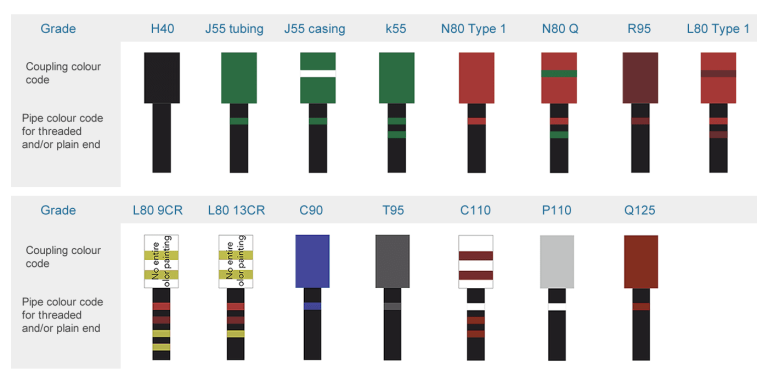
Another critical aspect is the mechanical properties of the casing material. Steel alloys are commonly used due to their strength and durability. Different grades of steel offer varying levels of tensile strength, yield strength, and resistance to impact and fatigue. Selecting the appropriate grade involves evaluating the anticipated stresses and pressures the casing will endure throughout its operational life.
Furthermore, compatibility with Downhole Tools and equipment is paramount. Casing must allow for the installation of necessary tools such as Packers, Pumps, and production Tubing. This requires careful consideration of casing dimensions, Threads, and Connections to ensure seamless integration with other components of the well completion system.
Environmental factors also play a role in casing selection. Projects located in environmentally sensitive areas may require casing materials that minimize the risk of leaks or spills. Additionally, sustainable practices in casing manufacturing and disposal are increasingly prioritized, driving the industry towards eco-friendly solutions that reduce environmental impact.
Cost considerations cannot be overlooked. While quality and performance are paramount, economic feasibility is also crucial. Optimal casing selection involves evaluating initial costs, operational efficiencies, Maintenance requirements, and longevity. Long-term benefits often justify higher upfront investments in Premium casing materials or corrosion-resistant coatings.
Moreover, regulatory requirements and industry standards must be adhered to. Casing design and installation practices are governed by stringent regulations aimed at ensuring operational safety and environmental protection. Compliance with these standards mitigates risks and liabilities associated with well integrity and production operations.
Lastly, collaboration with experienced engineers and Suppliers is invaluable. Their expertise in casing design, material selection, and operational considerations can provide invaluable insights and recommendations tailored to the specific demands of the project.
In conclusion, choosing the suitable oil casing involves a comprehensive evaluation of geological, mechanical, operational, environmental, and economic factors. Each decision contributes to the overall success and sustainability of the oil well project. By prioritizing these considerations and leveraging expert knowledge, stakeholders can confidently select casing solutions that optimize performance, ensure safety, and adhere to regulatory standards. This strategic approach not only enhances operational efficiency but also mitigates risks and maximizes the long-term profitability of oil and gas investments.
oil tubing wholesaler