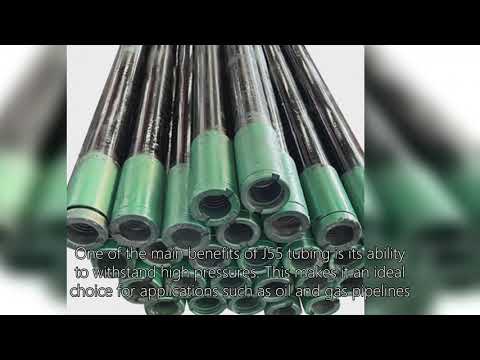
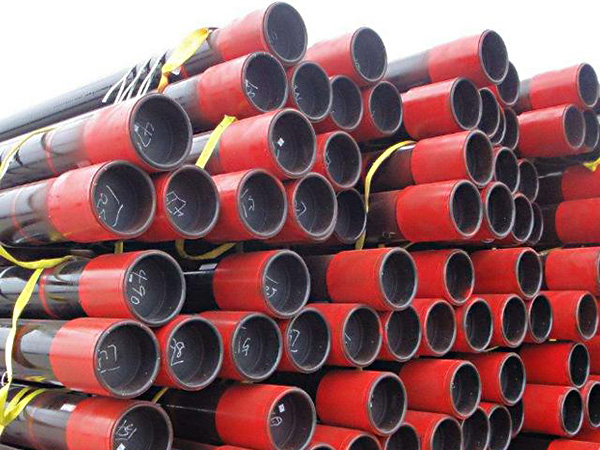
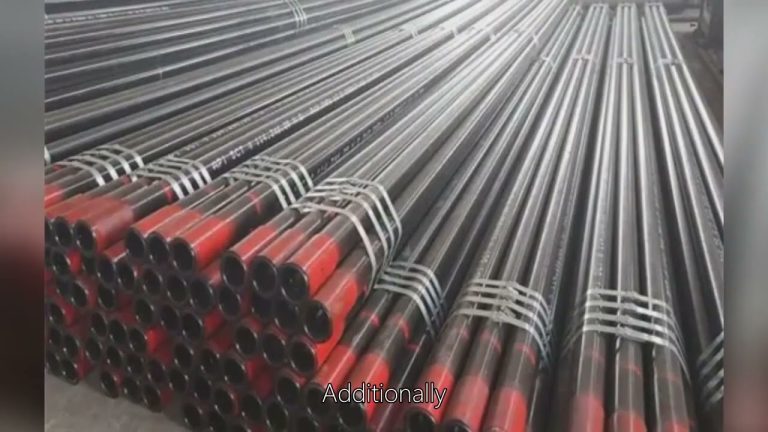
Selecting the Right Anticorrosion Material for Oil Casing Applications
When it comes to selecting the right anticorrosion material for oil casing applications, several critical factors must be considered to ensure optimal performance and longevity. The Oil and Gas industry is characterized by harsh environments that can lead to significant corrosion issues, which in turn can compromise the integrity of oil casing. Therefore, understanding the specific application occasion is paramount in making a high-quality choice of anticorrosion material.
To begin with, it is essential to assess the environmental conditions in which the oil casing will be used. Factors such as temperature, pressure, and the presence of corrosive substances, including hydrogen sulfide and carbon dioxide, play a crucial role in determining the appropriate material. For instance, in environments with high levels of hydrogen sulfide, materials that offer superior resistance to sulfide stress cracking should be prioritized. This assessment not only helps in identifying the potential risks but also aids in selecting materials that can withstand these challenges effectively.
Moreover, the mechanical properties of the anticorrosion material must align with the operational demands of the application. The material should possess adequate strength and toughness to endure the mechanical stresses encountered during drilling and production activities. In this context, materials such as Carbon Steel, Stainless Steel, and various alloys are often evaluated for their mechanical performance. However, it is not enough to consider mechanical properties in isolation; the compatibility of the material with the specific oil and gas environment is equally important.
In addition to mechanical and environmental considerations, the cost-effectiveness of the anticorrosion material should also be taken into account. While high-performance materials may offer superior protection against corrosion, they often come with a higher Price tag. Therefore, a balance must be struck between performance and cost, ensuring that the selected material provides adequate protection without exceeding budget constraints. This evaluation may involve a life-cycle cost analysis, which considers not only the initial material costs but also the long-term implications of Maintenance, Repair, and replacement.
Furthermore, it is advisable to consult industry standards and guidelines when selecting anticorrosion materials for oil casing applications. Organizations such as the American Petroleum Institute ( API) provide valuable resources that outline best practices and material specifications tailored to various operational conditions. Adhering to these standards can help mitigate risks associated with corrosion and enhance the overall reliability of the oil casing.
Another critical aspect to consider is the application of protective coatings. In many cases, the use of coatings can significantly enhance the anticorrosion properties of the base material. Coatings such as epoxy, polyurethane, and zinc-rich paints can provide an additional layer of protection against corrosive agents. However, the selection of the appropriate coating should be based on compatibility with the base material and the specific environmental conditions.
In conclusion, selecting the right anticorrosion material for oil casing applications requires a comprehensive understanding of the environmental conditions, mechanical properties, cost considerations, and adherence to industry standards. By carefully evaluating these factors and considering the potential benefits of protective coatings, stakeholders can make informed decisions that enhance the durability and performance of oil casing in challenging environments. Ultimately, a high-quality choice of anticorrosion material not only safeguards the integrity of the oil casing but also contributes to the overall efficiency and sustainability of oil and gas operations.
Key Factors to Consider in Anticorrosion Material Selection
When selecting a high-quality anticorrosion material for oil casing, it is essential to consider several key factors that can significantly influence the performance and longevity of the material in specific application environments. One of the primary considerations is the type of corrosion that the material will be exposed to. Different environments can lead to various forms of corrosion, such as pitting, crevice corrosion, or stress corrosion cracking. Understanding the specific corrosion mechanisms at play in the intended application is crucial for selecting a material that can withstand these challenges effectively.
Another important factor is the chemical composition of the anticorrosion material. Materials with higher alloy content, such as stainless steels or specialized alloys, often provide enhanced resistance to corrosive agents. However, the selection should also take into account the cost-effectiveness of the material. While high-alloy materials may offer superior protection, they can also be significantly more expensive. Therefore, it is vital to balance performance requirements with budget constraints, ensuring that the cHosen material meets the necessary standards without incurring unnecessary costs.
In addition to chemical composition, the physical properties of the anticorrosion material must be evaluated. Factors such as tensile strength, ductility, and hardness can affect the material’s ability to perform under operational stresses. For instance, in high-pressure environments, a material with high tensile strength may be required to prevent failure. Conversely, in applications where flexibility is necessary, a more ductile material may be preferable. Thus, understanding the mechanical demands of the application is essential for making an informed choice.
Furthermore, the environmental conditions in which the oil casing will operate play a significant role in material selection. Factors such as temperature, humidity, and the presence of abrasive particles can all impact the performance of anticorrosion materials. For example, materials that perform well in moderate temperatures may not be suitable for extreme heat or cold. Similarly, environments with high humidity may require materials with enhanced moisture resistance. Therefore, a thorough assessment of the operational environment is necessary to ensure that the selected material can withstand the specific conditions it will encounter.

Another critical aspect to consider is the application of protective coatings or treatments. While some materials may inherently possess anticorrosion properties, the application of additional coatings can further enhance their performance. Coatings can provide an extra layer of protection against corrosive agents, extending the lifespan of the oil casing. However, it is essential to ensure that the chosen coating is compatible with the base material and can withstand the same environmental conditions. This compatibility is vital to prevent issues such as delamination or degradation of the coating over time.
pink Essential oil case
Finally, it is advisable to consult industry standards and guidelines when selecting anticorrosion materials. Various organizations provide specifications and recommendations for materials used in oil and gas applications, which can serve as valuable resources during the selection process. Adhering to these standards not only ensures compliance with industry regulations but also helps in making informed decisions based on proven performance metrics.
In conclusion, selecting a high-quality anticorrosion material for oil casing requires careful consideration of several key factors, including the type of corrosion, chemical composition, physical properties, environmental conditions, protective coatings, and industry standards. By thoroughly evaluating these aspects, one can make a well-informed choice that enhances the durability and reliability of the oil casing in its specific application.
Evaluating Performance and Longevity of Anticorrosion Coatings for Oil casings
When selecting an anticorrosion material for oil casing applications, it is essential to evaluate the performance and longevity of various coatings to ensure optimal protection against corrosive environments. The oil and gas industry often exposes casings to harsh conditions, including high pressures, extreme temperatures, and aggressive chemical agents. Therefore, understanding the specific requirements of the application is crucial in making an informed choice.
To begin with, one must consider the environmental factors that the oil casing will encounter. These factors include the presence of water, salts, and other corrosive substances that can significantly impact the integrity of the casing. For instance, in offshore drilling operations, the casing is often subjected to seawater, which contains high levels of chlorides that can accelerate corrosion. In such cases, selecting a coating that offers superior resistance to chloride-induced corrosion is vital.
Moreover, the type of coating material plays a significant role in determining the overall performance of the anticorrosion system. Common options include epoxy, polyurethane, and zinc-rich coatings, each with its unique properties and advantages. Epoxy coatings, for example, are known for their excellent adhesion and chemical resistance, making them suitable for environments with aggressive chemicals. On the other hand, polyurethane coatings provide flexibility and UV resistance, which can be beneficial in outdoor applications. Therefore, understanding the specific characteristics of each coating type is essential for matching the right material to the application.
In addition to the type of coating, the application method also influences the performance and longevity of the anticorrosion system. Coatings can be applied through various methods, including spray, brush, or dip coating. Each method has its advantages and limitations, and the choice often depends on the specific conditions of the application site. For instance, spray application may be more suitable for large surfaces, while brush application allows for more precise control in intricate areas. Ensuring that the coating is applied correctly and uniformly is crucial for achieving the desired protective properties.
Furthermore, it is important to consider the expected lifespan of the anticorrosion coating. Longevity is influenced by several factors, including the thickness of the coating, the quality of the application, and the environmental conditions. A thicker coating may provide better protection, but it can also be more susceptible to cracking and delamination if not applied correctly. Therefore, a balance must be struck between thickness and application quality to ensure that the coating remains intact over time.
Another critical aspect to evaluate is the maintenance requirements of the anticorrosion system. Some coatings may require regular inspections and touch-ups to maintain their protective properties, while others may offer a more durable solution with minimal maintenance. Understanding the long-term maintenance implications can help in selecting a coating that aligns with operational capabilities and budget constraints.
In conclusion, evaluating the performance and longevity of anticorrosion coatings for oil casings involves a comprehensive analysis of environmental conditions, coating types, application methods, expected lifespan, and maintenance requirements. By carefully considering these factors, one can make a high-quality choice of anticorrosion material that not only meets the specific needs of the application but also ensures the long-term integrity and reliability of the oil casing in challenging environments. This thoughtful approach ultimately contributes to the overall efficiency and safety of oil and gas operations.