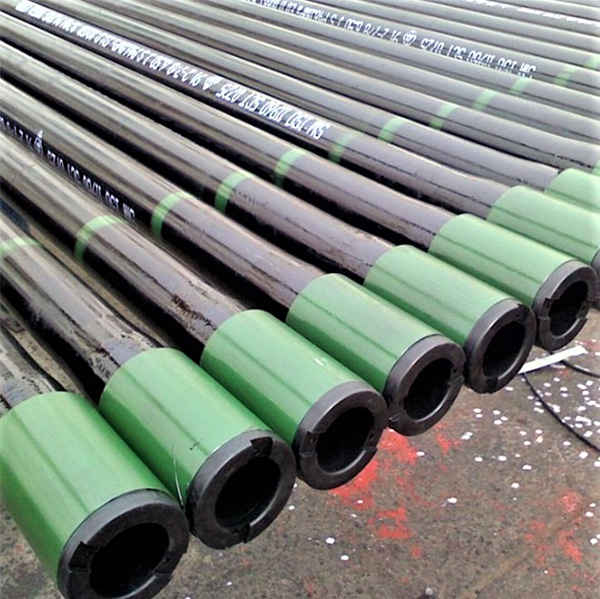
Implementing Advanced Quality Control Techniques in Oil Casing Manufacturing
Manufacturing quality in the oil casing industry is crucial for ensuring the safety and efficiency of oil extraction processes. As technology advances, it becomes increasingly important for Companies to modernize their manufacturing processes to meet higher quality standards. Implementing advanced quality control techniques is essential for enhancing the overall quality of oil casing production.
One key aspect of modernizing manufacturing quality in oil casing production is the integration of advanced inspection technologies. Traditional inspection methods may not always be sufficient to detect subtle defects or inconsistencies in the casing Material. By incorporating technologies such as automated optical inspection systems, ultrasonic testing, and laser scanning, Manufacturers can achieve higher levels of precision and accuracy in detecting defects.
Furthermore, the use of data analytics and machine learning algorithms can significantly improve the quality control process in oil casing manufacturing. By analyzing large volumes of data collected during the production process, manufacturers can identify patterns, trends, and potential issues that may affect the quality of the final product. Machine learning algorithms can help predict potential defects or failures, allowing manufacturers to take proactive measures to prevent quality issues.
In addition to advanced inspection technologies and data analytics, implementing a robust quality management system is essential for ensuring consistent quality in oil casing manufacturing. Quality management systems help standardize processes, establish quality control checkpoints, and monitor key performance indicators to ensure that quality standards are met at every stage of production.
Collaboration with Suppliers and partners is another important aspect of modernizing manufacturing quality in the oil casing industry. By working closely with suppliers to establish quality requirements and standards, manufacturers can ensure that the raw materials used in the production process meet the necessary quality specifications. Building strong partnerships with suppliers can help streamline the supply chain and reduce the risk of quality issues arising from substandard materials.
Steel piping Best china ManufacturersContinuous improvement is a fundamental principle of modern quality management practices. Manufacturers should regularly review and evaluate their quality control processes, identify areas for improvement, and implement corrective actions to enhance overall quality. By fostering a culture of continuous improvement, companies can adapt to changing market demands and technological advancements to maintain a competitive edge in the industry.
Training and development of personnel are also critical for modernizing manufacturing quality in oil casing production. Employees should receive ongoing training on the latest quality control techniques, technologies, and best practices to ensure that they have the skills and knowledge needed to uphold quality standards. Investing in employee development can lead to higher levels of quality consciousness and a commitment to excellence throughout the organization.
In conclusion, modernizing the manufacturing quality of oil casing requires a comprehensive approach that integrates advanced inspection technologies, data analytics, quality management systems, supplier collaboration, continuous improvement, and employee training. By implementing these advanced quality control techniques, manufacturers can enhance the quality, safety, and reliability of oil casing products, ultimately improving the overall efficiency and competitiveness of their operations.
Leveraging Industry 4.0 Technologies for Enhanced Quality Assurance in Oil Casing Production
Manufacturing quality in the oil casing industry is of paramount importance to ensure the safety and efficiency of oil extraction processes. With the r APId advancements in technology, leveraging Industry 4.0 technologies has become crucial for enhancing quality assurance in oil casing production. By integrating smart technologies and data-driven processes, manufacturers can modernize their operations and achieve higher levels of quality control.
One key aspect of modernizing manufacturing quality in oil casing production is the implementation of Internet of Things (IoT) devices. These devices can be embedded in various stages of the production process to collect real-time data on parameters such as temperature, pressure, and vibration. By monitoring these variables continuously, manufacturers can detect any deviations from the standard operating conditions and take corrective actions promptly.
Furthermore, the use of sensors and actuators in conjunction with IoT devices enables predictive Maintenance in oil casing manufacturing. By analyzing the data collected from these sensors, manufacturers can predict when equipment is likely to fail and schedule maintenance proactively. This not only reduces downtime but also ensures that the production process remains uninterrupted, leading to higher overall quality in oil casing production.

Another crucial technology in modernizing manufacturing quality is the adoption of artificial intelligence (AI) and machine learning algorithms. These technologies can analyze vast amounts of data to identify patterns and anomalies that may indicate potential quality issues. By training AI models on historical data, manufacturers can develop predictive quality models that can flag potential defects before they occur, allowing for immediate intervention.
Moreover, AI-powered quality control systems can automate the inspection process, reducing human error and increasing the accuracy of defect detection. By using computer vision and image recognition algorithms, manufacturers can inspect oil casings for imperfections with greater precision and efficiency than traditional manual inspection methods.
In addition to IoT and AI, the integration of robotics and automation technologies can further enhance the quality of oil casing production. Robotic systems can perform repetitive tasks with high precision, reducing variability in the manufacturing process and ensuring consistent quality across all products. Automated assembly lines can streamline production workflows, minimizing errors and improving overall efficiency.
Furthermore, the use of digital twin technology can revolutionize quality assurance in oil casing manufacturing. A digital twin is a virtual replica of a physical asset or process that enables real-time monitoring and simulation of production operations. By creating a digital twin of the manufacturing process, manufacturers can optimize production parameters, test different scenarios, and identify potential quality issues before they arise in the physical world.
Overall, by leveraging Industry 4.0 technologies such as IoT, AI, robotics, and digital twins, manufacturers can modernize the manufacturing quality of oil casing and achieve higher levels of quality assurance. These technologies not only improve the efficiency and accuracy of production processes but also enable proactive maintenance and quality control measures, ultimately leading to safer and more reliable oil casing products.