Overview of API 5ct l80 Casing Specifications
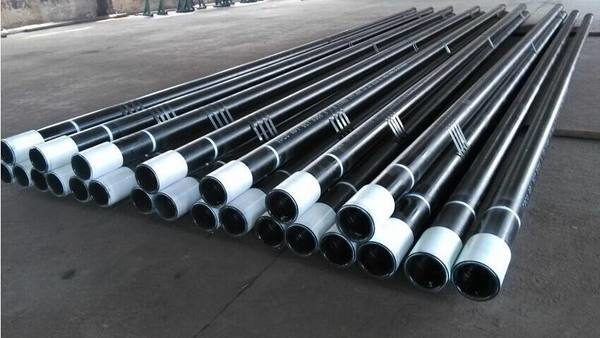
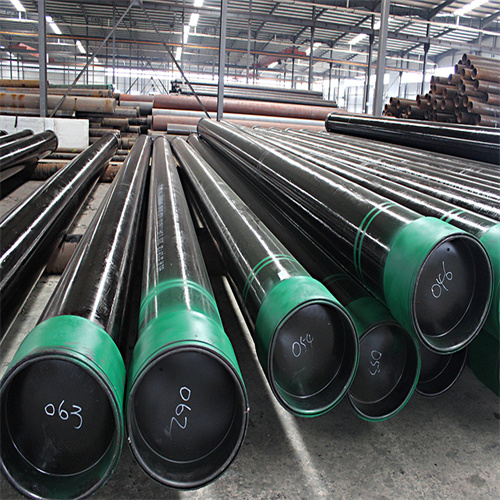
API 5CT L80 casing and Tubing Pipes are essential components in the Oil and Gas industry, specifically designed to withstand the demanding conditions encountered during drilling and production operations. The American Petroleum Institute (API) established the API 5CT specification to standardize the manufacturing and quality requirements for casing and Tubing Pipes used in the extraction of hydrocarbons. Among the various grades outlined in this specification, L80 is particularly noteworthy due to its unique properties and applications.
The L80 grade is characterized by its high yield strength, which typically ranges from 80,000 to 95,000 psi. This elevated yield strength makes L80 casing and tubing Pipes suitable for use in environments where there is a significant risk of collapse or deformation under pressure. Consequently, these pipes are often employed in medium to high-pressure wells, where the integrity of the casing is paramount to ensure safe and efficient operations. Furthermore, the L80 grade is available in various sizes and Wall thicknesses, allowing for flexibility in design and application based on specific project requirements.
In addition to its mechanical properties, L80 casing is also recognized for its resistance to corrosion, particularly in sour service environments where hydrogen sulfide (H2S) is present. The chemical composition of L80 pipes includes alloying elements such as chromium and molybdenum, which enhance their resistance to sulfide stress cracking. This characteristic is crucial for maintaining the longevity and reliability of the casing in challenging conditions, thereby reducing the risk of costly failures and downtime during drilling operations.
Moreover, the manufacturing process of L80 casing and tubing pipes adheres to stringent quality control measures to ensure compliance with API standards. This includes rigorous testing and inspection protocols, such as Non-destructive testing (NDT) methods, to detect any potential defects or inconsistencies in the Material. By adhering to these standards, Manufacturers can guarantee that the pipes meet the necessary performance criteria, thereby instilling confidence in their use in critical applications.
It is also important to note that L80 casing and tubing pipes are available in different product specifications, including L80-1 and L80-9Cr, which denote variations in chemical composition and mechanical properties. These distinctions allow operators to select the most appropriate grade based on the specific environmental conditions and operational demands of their projects. For instance, L80-9Cr offers enhanced resistance to corrosion and elevated temperatures, making it suitable for more extreme applications.
In conclusion, API 5CT L80 casing and tubing pipes play a vital role in the oil and gas industry, providing the necessary strength and durability to withstand the rigors of drilling and production operations. Their high yield strength, Corrosion resistance, and adherence to stringent manufacturing standards make them a reliable choice for operators seeking to ensure the integrity of their wells. As the industry contiNues to evolve and face new challenges, the importance of high-quality casing and tubing solutions like L80 will remain paramount in supporting safe and efficient hydrocarbon extraction. By understanding the specifications and applications of L80 pipes, stakeholders can make informed decisions that contribute to the overall success of their projects.
Key Features of l80 tubing Pipe
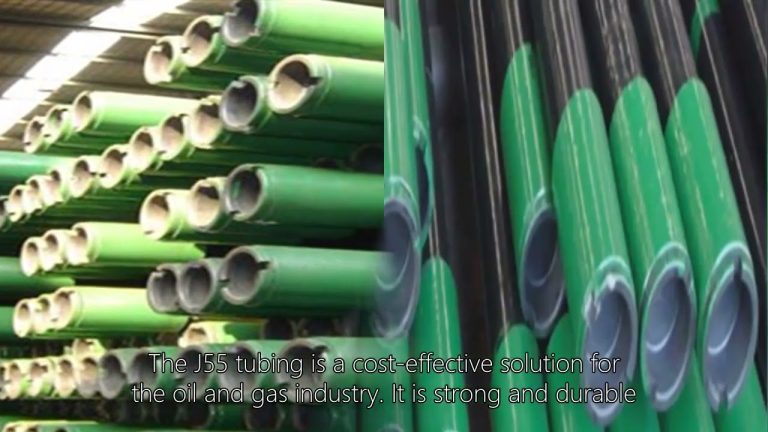
API 5CT L80 casing and tubing pipes are essential components in the oil and gas industry, specifically designed to withstand the demanding conditions encountered during drilling and production operations. One of the key features of L80 tubing pipe is its High strength, which is crucial for maintaining structural integrity under high pressure and temperature conditions. This strength is achieved through the use of specific alloying elements and controlled manufacturing processes, ensuring that the pipes can endure the mechanical stresses associated with deep well applications. Furthermore, the L80 designation indicates that these pipes possess a minimum yield strength of 80,000 psi, making them suitable for various challenging environments.
In addition to their impressive strength, L80 tubing pipes are also known for their excellent corrosion resistance. This characteristic is particularly important in environments where the presence of corrosive substances, such as hydrogen sulfide or carbon dioxide, can lead to significant material degradation. The L80 specification includes provisions for the use of corrosion-resistant alloys, which enhance the longevity and reliability of the tubing in hostile conditions. As a result, operators can minimize the risk of failures and costly downtime, ultimately leading to more efficient production processes.
Another notable feature of L80 tubing pipe is its versatility in application. These pipes are commonly used in both onshore and offshore drilling operations, making them a preferred choice for a wide range of projects. Their adaptability allows them to be utilized in various well types, including conventional, unconventional, and deepwater wells. This flexibility is further supported by the availability of different sizes and wall thicknesses, enabling operators to select the most appropriate specifications for their specific needs.
https://youtube.com/watch?v=mlDSyUP5RK0
Phone AccessoriesMoreover, the manufacturing process of L80 tubing pipes adheres to stringent quality control standards, ensuring that each pipe meets the required specifications and performance criteria. This commitment to quality is reflected in the rigorous testing procedures that each pipe undergoes, including non-destructive testing methods to detect any potential defects. By ensuring that only high-quality products are delivered to the market, manufacturers contribute to the overall safety and efficiency of drilling operations.
In terms of installation, L80 tubing pipes are designed for ease of handling and assembly. Their standardized dimensions facilitate compatibility with various fittings and connectors, streamlining the installation process. This ease of use not only saves time during the setup phase but also reduces the likelihood of errors that could compromise the integrity of the well. Additionally, the lightWeight nature of L80 tubing pipes compared to heavier alternatives further enhances their manageability, making them a practical choice for operators.
Finally, the economic aspect of using L80 tubing pipes cannot be overlooked. While the initial investment may be higher than that of lower-grade alternatives, the long-term benefits associated with their durability and performance often result in cost savings over the life of the well. By reducing the frequency of replacements and Maintenance, operators can achieve a more favorable return on investment. In conclusion, the key features of API 5CT L80 casing and tubing pipes, including their high strength, corrosion resistance, versatility, quality assurance, ease of installation, and economic advantages, make them an indispensable choice for the oil and gas industry, ensuring reliable and efficient operations in even the most challenging environments.
Applications and Industry Standards for API 5CT L80
API 5CT L80 casing and tubing pipes are essential components in the oil and gas industry, specifically designed to withstand the demanding conditions encountered during drilling and production operations. These pipes are manufactured according to the specifications set forth by the American Petroleum Institute (API), which ensures that they meet rigorous quality and performance standards. The L80 designation indicates a specific yield strength of 80,000 psi, making these pipes suitable for various applications, particularly in environments where high strength and resistance to corrosion are critical.
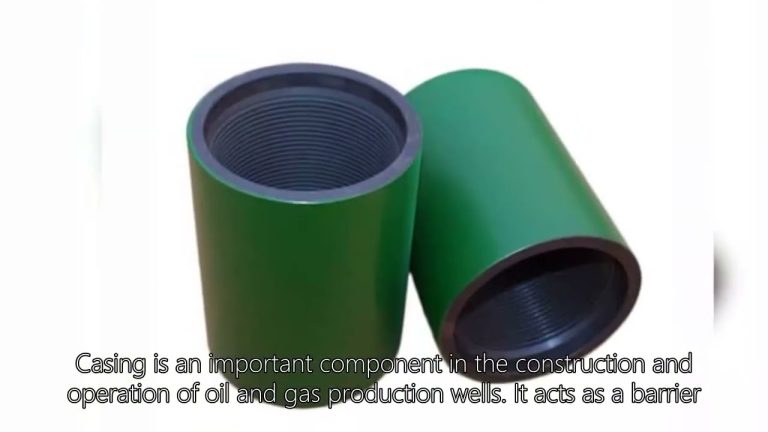
 One of the primary applications of API 5CT L80 casing and tubing pipes is in the extraction of oil and natural gas from underground reservoirs. The Casing Pipes are installed in drilled wells to provide structural integrity and prevent the collapse of the wellbore. This is particularly important in high-pressure environments, where the risk of well failure can lead to significant safety hazards and economic losses. The L80 pipes are designed to endure these pressures while maintaining their structural integrity, thus ensuring the safety and efficiency of the drilling process.
In addition to their use in well Construction, API 5CT L80 pipes are also employed in the production phase of oil and gas extraction. During this phase, the pipes facilitate the flow of hydrocarbons from the reservoir to the surface. The L80 specification is particularly advantageous in this context, as it offers enhanced resistance to sour gas and other corrosive substances that may be present in the production environment. This resistance is crucial for maintaining the longevity of the pipes and minimizing the risk of leaks, which can have severe environmental and financial repercussions.
Moreover, the API 5CT L80 specification is recognized globally, making it a standard choice for operators in various regions. Compliance with API standards not only ensures the quality and reliability of the pipes but also facilitates international trade and collaboration within the oil and gas sector. Companies that adhere to these standards can confidently source and utilize L80 pipes, knowing that they meet the necessary performance criteria for their specific applications.
The manufacturing process of API 5CT L80 pipes involves stringent quality control measures to ensure that each pipe meets the required specifications. This includes rigorous testing for mechanical properties, such as yield strength, tensile strength, and elongation, as well as assessments for corrosion resistance. These tests are vital for confirming that the pipes can withstand the harsh conditions they will encounter in the field. Additionally, the pipes are often coated with protective materials to further enhance their resistance to corrosion and wear, thereby extending their service life.
In conclusion, API 5CT L80 casing and tubing pipes play a pivotal role in the oil and gas industry, providing the necessary strength and durability for both drilling and production operations. Their ability to withstand high pressures and resist corrosive environments makes them a preferred choice among operators worldwide. By adhering to API standards, manufacturers ensure that these pipes meet the highest quality benchmarks, thereby contributing to the safety and efficiency of oil and gas extraction processes. As the industry continues to evolve, the importance of reliable and robust materials like API 5CT L80 will remain paramount in supporting the ongoing demand for energy resources.