Challenges in Modern Oil Casing Technology
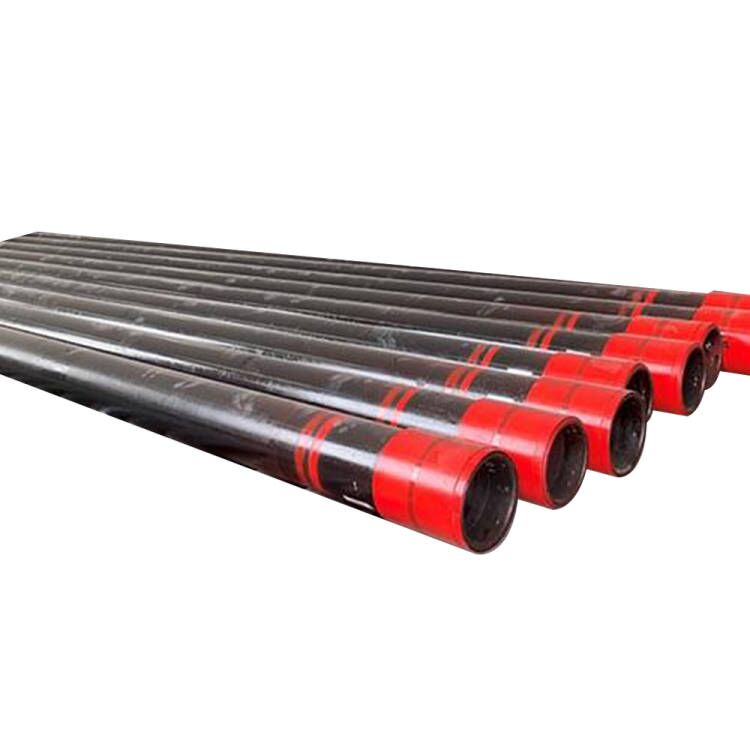
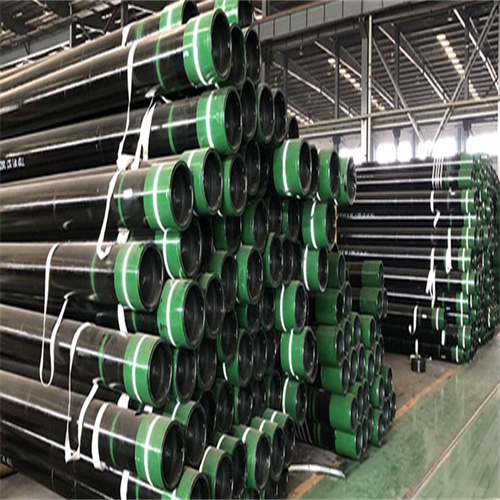
Oil casing technology plays a pivotal role in the extraction and production of oil, serving as a protective barrier for the wellbore and ensuring the integrity of the drilling operation. In the modern Oil and Gas industry, the challenges and opportunities surrounding oil casing technology have evolved significantly, driven by technological advancements, environmental concerns, and market dynamics.
One of the primary challenges facing modern oil casing technology is the need to operate in increasingly harsh and complex environments. As oil reserves are being tapped in deeper waters and unconventional reservoirs, the demand for casing that can withstand high pressures, temperatures, and corrosive conditions has grown. This necessitates the development of advanced Materials and manufacturing processes to ensure the reliability and longevity of oil casing systems.
Moreover, the environmental impact of oil casing technology has come under scrutiny in recent years. Concerns about methane emissions, groundwater contamination, and land disturbance associated with drilling operations have prompted the industry to explore more sustainable practices. innovations in casing design, such as improved Cementing techniques and casing centralization, aim to minimize environmental risks and enhance wellbore integrity.
Steel piping china Best Company
In addition to these challenges, the evolving regulatory landscape poses a significant hurdle for oil casing technology. Compliance with stringent safety and environmental regulations requires continuous monitoring and adaptation of casing designs and installation practices. Companies operating in the oil and gas sector must navigate a complex web of regulations to ensure compliance and mitigate risks associated with non-compliance.
Despite these challenges, modern oil casing technology also presents a host of opportunities for innovation and growth. The integration of digital technologies, such as sensors, data analytics, and automation, into casing systems has the potential to revolutionize well Construction and Maintenance processes. Real-time monitoring of casing integrity and downhole conditions can improve operational efficiency, reduce downtime, and enhance safety.
Furthermore, the shift towards sustainable energy sources has opened up new aveNues for the application of oil casing technology. Casing systems designed for geothermal energy production, carbon capture and storage, and hydrogen extraction represent emerging opportunities for the industry to diversify and contribute to the transition to a low-carbon economy. By leveraging existing expertise and infrastructure, oil casing technology can play a vital role in supporting the development of alternative energy sources.
In conclusion, the challenges and opportunities facing modern oil casing technology reflect the dynamic nature of the oil and gas industry. As the sector continues to evolve in response to technological, environmental, and regulatory pressures, innovation and collaboration will be key to overcoming challenges and unlocking new possibilities. By embracing change and investing in research and development, the industry can navigate the complexities of the modern energy landscape and drive sustainable growth.
Opportunities for Innovation in Oil Casing Design
Oil casing technology plays a crucial role in the oil and gas industry, providing structural support and protection for wells. As the industry continues to evolve, new challenges and opportunities emerge in the landscape of oil casing design. One of the key areas where innovation is driving change is in the design of oil casings.
Innovations in materials and manufacturing processes have opened up new possibilities for enhancing the performance and longevity of oil casings. Advanced alloys and composite materials are being developed to withstand harsh operating conditions, such as high pressures and temperatures, corrosion, and mechanical stresses. These new materials offer improved strength, durability, and resistance to wear and tear, ultimately leading to more reliable and cost-effective oil casing solutions.
Furthermore, the integration of smart technologies and sensors into oil casing design is revolutionizing the way wells are monitored and maintained. Smart casings equipped with sensors can provide real-time data on well conditions, allowing operators to detect potential issues early and take proactive measures to prevent costly downtime and environmental damage. This proactive approach to well monitoring not only improves operational efficiency but also enhances safety and environmental sustainability in the oil and gas sector.
Another area of opportunity in oil casing design lies in the development of innovative Sealing and Connection systems. Traditional casing connections are prone to leaks and failures over time, leading to costly Repairs and production losses. By investing in research and development of new sealing technologies, such as advanced gaskets, seals, and connection designs, companies can improve the integrity and reliability of oil casing systems, reducing the risk of leaks and enhancing overall well performance.
Moreover, the trend towards automation and digitization in the oil and gas industry is driving the adoption of robotics and AI-driven solutions in oil casing design and installation. Robotic systems can streamline the casing installation process, reducing human error and improving efficiency. AI algorithms can optimize casing design parameters based on real-time data and predictive analytics, leading to more customized and efficient solutions for each well.
In conclusion, the landscape of oil casing technology is undergoing a significant transformation, driven by a combination of technological advancements and industry demands. Opportunities for innovation in oil casing design abound, from the development of advanced materials and smart technologies to the integration of robotics and AI. By embracing these opportunities and investing in research and development, the oil and gas industry can overcome existing challenges and pave the way for a more sustainable and efficient future in oil casing technology.
Evolution of the Oil Casing Landscape
The evolution of oil casing technology has been a critical aspect of the oil and gas industry, sh APIng the landscape of exploration and production activities. Over the years, the challenges and opportunities in this field have driven innovation and advancements that have transformed the way wells are drilled and completed.
One of the primary challenges in oil casing technology has been the need to withstand high-pressure environments and corrosive conditions deep underground. Traditional casing materials often faced limitations in terms of durability and resistance to harsh environments. However, with advancements in materials science and engineering, new alloys and coatings have been developed to enhance the performance and longevity of oil casings.
Another significant challenge has been the demand for casing designs that can accommodate complex well geometries and drilling conditions. As drilling techniques have become more sophisticated, the need for flexible and adaptable casing solutions has grown. Innovations such as expandable casing technology have allowed operators to overcome these challenges by providing a customizable and cost-effective solution for a variety of wellbore configurations.
 The evolution of oil casing technology has also been driven by the increasing focus on environmental sustainability and regulatory compliance. Operators are now required to adhere to stringent standards for well integrity and leak prevention to minimize environmental impact. This has led to the development of advanced casing designs and cementing techniques that enhance wellbore integrity and reduce the risk of leaks and spills.
Furthermore, the digital transformation of the oil and gas industry has opened up new opportunities for optimizing casing design and performance. Data analytics and modeling tools now allow operators to simulate downhole conditions and predict casing behavior with greater accuracy. This has enabled more efficient well construction processes and improved risk management strategies.
In conclusion, the evolution of the oil casing landscape has been marked by a continuous quest for innovation and improvement. The challenges faced by the industry have spurred advancements in materials, design, and technology that have revolutionized the way wells are constructed and operated. As the industry continues to evolve, the opportunities for further enhancements in oil casing technology are vast, promising a future of safer, more efficient, and environmentally sustainable oil and gas operations.