Unraveling Oil Casing Technology’s Challenges and Opportunities in a Time of Change
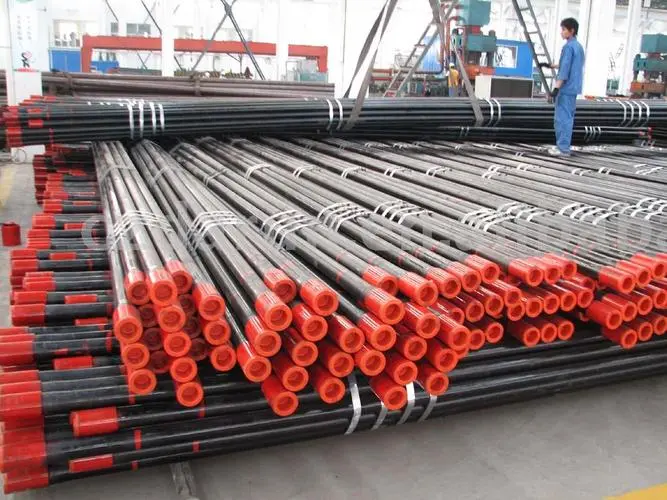
Oil casing technology plays a crucial role in the Oil and Gas industry, providing structural support and protection for wells during drilling and production operations. As the industry navigates through a time of change, the challenges and opportunities in oil casing technology become increasingly significant. One of the primary challenges faced by oil casing technology is the need to withstand high-pressure environments and corrosive substances. The integrity of the casing is essential to prevent leaks and ensure the safety and efficiency of operations.
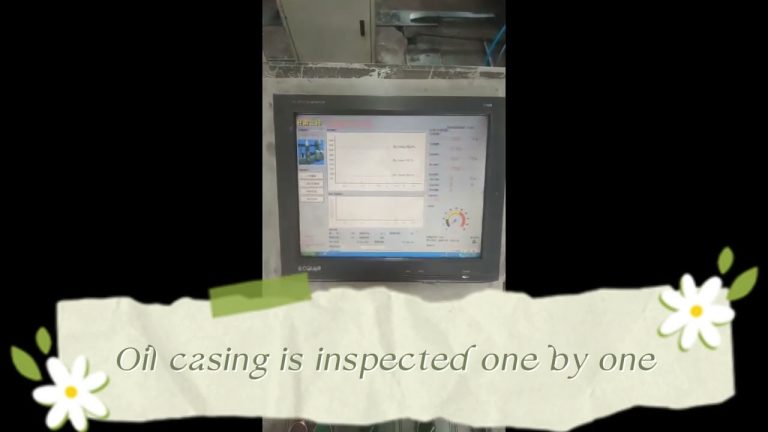
Oil Well sizeinnovations in Materials and manufacturing processes have opened up new opportunities to enhance the performance and durability of oil casing technology. Advanced alloys and coatings are being developed to improve resistance to corrosion and erosion, extending the lifespan of casings in harsh operating conditions. Additionally, the use of intelligent sensors and monitoring systems allows for real-time data collection to detect potential issues and optimize Maintenance schedules.
 The adoption of digital technologies, such as automation and data analytics, is transforming the way oil casing technology is designed, installed, and maintained. Digital twins, virtual replicas of physical assets, enable engineers to simulate different scenarios and optimize casing designs for maximum performance. Automation in casing running operations improves efficiency and reduces human error, enhancing safety and productivity on the rig.
Despite these advancements, the oil and gas industry faces challenges in adopting new technologies and practices due to cost constraints and regulatory requirements. Balancing the need for innovation with the economic realities of the industry is a delicate task that requires collaboration between stakeholders to drive progress while ensuring operational sustainability.
Another key challenge in oil casing technology is the increasing complexity of well designs and drilling techniques. Horizontal drilling and hydraulic fracturing have become common practices, requiring casings to withstand higher stresses and temperatures. Designing casings that can accommodate these demanding conditions without compromising integrity is a critical focus for engineers and researchers.
In conclusion, the challenges and opportunities in oil casing technology reflect the dynamic nature of the oil and gas industry. By addressing issues related to material performance, digitalization, cost-effectiveness, and well complexity, stakeholders can unlock the full potential of oil casing technology in a time of change. Collaboration, innovation, and a commitment to safety and sustainability are essential to overcoming challenges and seizing opportunities for the future of oil casing technology.