Impact of Technological Advancements on Oil Casing Manufacturing processes
The oil casing industry plays a crucial role in the extraction and transportation of Oil and Gas resources. As technology contiNues to advance, the industry is constantly evolving to meet the demands of the market. In order to stay competitive and sustainable, oil casing Manufacturers must assess their technical environment and embrace innovation for growth.
One of the key technological advancements that has had a significant impact on oil casing manufacturing processes is the development of advanced Materials. Traditional Steel casings have been the standard for many years, but new materials such as composite casings are now being used to improve performance and durability. These materials offer benefits such as increased Corrosion resistance, reduced Weight, and improved thermal conductivity, making them an attractive option for oil casing Manufacturers.
In addition to advanced materials, automation and robotics have also revolutionized the oil casing manufacturing process. Automated systems can now perform tasks such as welding, cutting, and inspection with greater precision and efficiency than ever before. This not only improves the quality of the final product but also reduces the risk of human error and increases overall productivity.
Furthermore, the use of data analytics and artificial intelligence has enabled oil casing manufacturers to optimize their processes and make more informed decisions. By analyzing data from sensors and monitoring equipment, manufacturers can identify potential issues before they occur, leading to fewer downtime and Maintenance costs. AI algorithms can also help predict future trends in the market, allowing manufacturers to adjust their production schedules accordingly.
| Serial Number | Product |
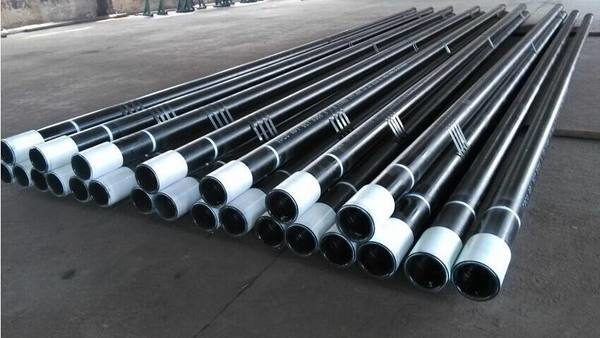
| 1 | Steel casing |
Another important aspect of the technical environment assessment for oil casing manufacturers is the consideration of environmental sustainability. With increasing pressure to reduce carbon emissions and minimize waste, manufacturers must find ways to make their processes more eco-friendly. This can include using renewable energy sources, implementing recycling programs, and reducing water consumption in manufacturing processes.
Overall, the impact of technological advancements on oil casing manufacturing processes has been significant. From advanced materials to automation and data analytics, these innovations have improved efficiency, quality, and sustainability in the industry. By embracing these technologies and continuously assessing their technical environment, oil casing manufacturers can position themselves for sustainable growth and success in the future.
Environmental Regulations and Compliance in the Oil Casing Industry
The oil casing industry plays a crucial role in the extraction and transportation of oil and gas resources. As the demand for energy continues to rise, the industry is faced with the challenge of meeting this demand while also ensuring sustainable practices that minimize environmental impact. In order to achieve this balance, it is essential for Companies in the oil casing industry to conduct technical environment assessments to evaluate their current practices and identify areas for improvement.
One of the key aspects of a technical environment assessment is understanding and complying with environmental regulations. These regulations are put in place to protect the environment and ensure that companies are operating in a responsible manner. By staying up-to-date on these regulations and ensuring compliance, companies can avoid costly fines and penalties while also demonstrating their commitment to sustainability.
In addition to regulatory compliance, companies in the oil casing industry must also consider the environmental impact of their operations. This includes assessing the carbon footprint of their products, evaluating the use of natural resources, and minimizing waste generation. By implementing sustainable practices such as recycling, energy efficiency, and waste reduction, companies can reduce their environmental impact and contribute to a more sustainable future.
Another important aspect of a technical environment assessment is evaluating the use of technology in the oil casing industry. Advances in technology have the potential to revolutionize the industry by improving efficiency, reducing costs, and minimizing environmental impact. Companies that invest in innovative technologies such as digital monitoring systems, advanced materials, and automation can gain a competitive edge while also promoting sustainability.
Furthermore, companies in the oil casing industry must also consider the social impact of their operations. This includes engaging with local communities, supporting workforce development, and promoting diversity and inclusion. By fostering positive relationships with stakeholders and investing in social responsibility initiatives, companies can enhance their reputation and build trust with customers, employees, and the public.
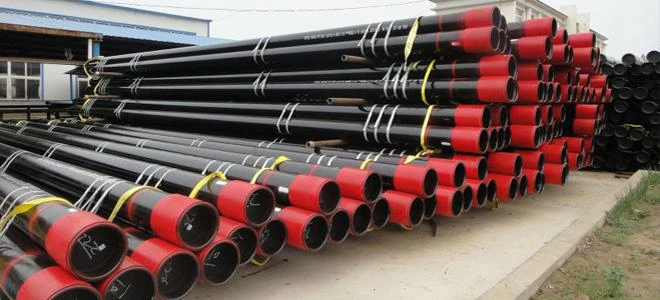
oil Pipe underground
Overall, conducting a technical environment assessment is essential for companies in the oil casing industry to drive sustainable innovation and growth. By evaluating their current practices, identifying areas for improvement, and implementing sustainable solutions, companies can enhance their environmental performance, comply with regulations, and meet the growing demand for energy in a responsible manner. Through a commitment to sustainability and continuous improvement, companies in the oil casing industry can create a more sustainable future for generations to come.
Sustainable Practices and Innovations in Oil Casing Production
The oil casing industry plays a crucial role in the extraction and transportation of oil and gas resources. As the demand for energy continues to rise, the industry is faced with the challenge of meeting this demand while also addressing environmental concerns and ensuring sustainable practices. In order to achieve sustainable innovation and growth, it is essential to assess the technical environment of the oil casing industry.

One of the key factors to consider in the technical environment assessment of the oil casing industry is the use of materials. Traditionally, oil casings have been made from Carbon steel due to its strength and durability. However, the production of carbon steel casings has a significant environmental impact, including high energy consumption and greenhouse gas emissions. As a result, there is a growing interest in alternative materials that are more sustainable and environmentally friendly.
One such alternative material is composite casing, which is made from a combination of materials such as fiberglass, carbon fiber, and resin. Composite casings offer several advantages over traditional carbon steel casings, including lower weight, higher corrosion resistance, and improved thermal insulation. Additionally, composite casings can be recycled at the end of their Life cycle, reducing waste and environmental impact.
Another important aspect of the technical environment assessment is the manufacturing process of oil casings. Traditional manufacturing methods often involve high energy consumption and the use of hazardous chemicals. In order to promote sustainable practices, it is essential to adopt cleaner and more efficient manufacturing processes.
One innovative approach to manufacturing oil casings is additive manufacturing, also known as 3D printing. Additive manufacturing allows for the production of complex geometries with minimal waste, reducing material consumption and energy usage. Additionally, 3D printing can enable on-demand production, reducing inventory and transportation costs.
In addition to materials and manufacturing processes, the technical environment assessment of the oil casing industry should also consider the design and performance of oil casings. Designing casings with improved efficiency and durability can help reduce the need for frequent replacements, leading to cost savings and reduced environmental impact.
Furthermore, advancements in technology such as sensors and monitoring systems can help optimize the performance of oil casings and detect potential issues before they escalate. By implementing smart technologies, operators can improve the reliability and safety of oil casing systems, ultimately leading to more sustainable practices.
In conclusion, assessing the technical environment of the oil casing industry is essential for promoting sustainable innovation and growth. By exploring alternative materials, adopting cleaner manufacturing processes, and leveraging technology advancements, the industry can reduce its environmental impact and improve efficiency. Sustainable practices in oil casing production not only benefit the environment but also contribute to long-term profitability and competitiveness. As the industry continues to evolve, it is crucial to prioritize sustainability and embrace innovation for a more sustainable future.