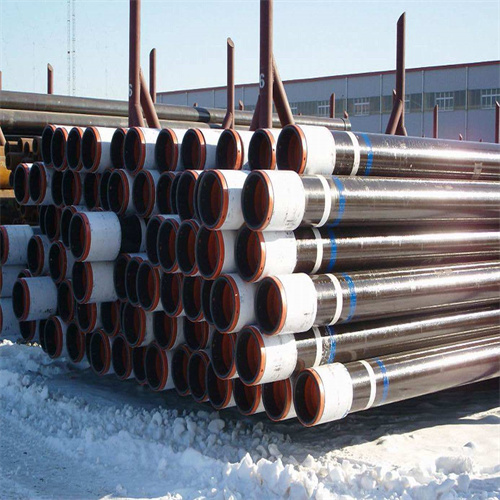
Environmental Impact of Oil Casing Technology
Oil casing technology plays a crucial role in the extraction and transportation of Oil and Gas resources. However, the environmental impact of this technology has raised concerns among stakeholders. In this article, we will examine the challenges and opportunities in cooperation to address the environmental issues associated with oil casing technology.
One of the main challenges in the oil casing technology environment is the potential for oil spills. Oil spills can have devastating effects on marine ecosystems, wildlife, and local communities. In recent years, there have been several high-profile oil spills that have highlighted the need for improved safety measures in the oil and gas industry.
Another challenge is the disposal of used oil casings. Oil casings are typically made of Steel, which can be recycled. However, the recycling process can be costly and energy-intensive. As a result, many oil casings end up in landfills, where they can leach harmful chemicals into the soil and water.
In order to address these challenges, cooperation among stakeholders is essential. This includes collaboration between oil and gas Companies, government agencies, environmental organizations, and local communities. By working together, these stakeholders can develop and implement solutions to mitigate the environmental impact of oil casing technology.
One opportunity for cooperation is the development of new technologies that can improve the safety and efficiency of oil casing operations. For example, companies are exploring the use of advanced Materials and coatings that can reduce the risk of corrosion and leaks in oil casings. By investing in research and development, companies can help to minimize the environmental impact of their operations.

Another opportunity is the adoption of best practices and standards for oil casing technology. By following industry guidelines and regulations, companies can ensure that their operations are conducted in a safe and environmentally responsible manner. This includes proper Maintenance of equipment, regular inspections, and training for employees.
Furthermore, cooperation can also lead to the implementation of environmental monitoring programs. By monitoring air and water quality near oil casing sites, stakeholders can identify potential environmental risks and take action to address them. This can help to prevent pollution and protect the health of local communities and ecosystems.
In conclusion, the environmental impact of oil casing technology presents both challenges and opportunities for cooperation. By working together, stakeholders can develop and implement solutions to mitigate the environmental risks associated with oil casing operations. This includes investing in new technologies, adopting best practices, and implementing monitoring programs. Through cooperation, we can ensure that oil casing technology is conducted in a safe and environmentally responsible manner.
Challenges in Implementing Sustainable Practices
Oil casing technology plays a crucial role in the extraction and transportation of oil and gas resources. However, the environmental impact of this technology has raised concerns among stakeholders. As the demand for oil and gas contiNues to rise, the industry is facing increasing pressure to adopt sustainable practices that minimize its environmental footprint. In this article, we will examine the challenges and opportunities in implementing sustainable practices in oil casing technology.
One of the main challenges in implementing sustainable practices in oil casing technology is the high cost associated with adopting new technologies and processes. Many companies are hesitant to invest in sustainable practices due to the upfront costs involved. However, it is important to recognize that the long-term benefits of sustainable practices, such as reduced environmental impact and improved public perception, can outweigh the initial investment.
Another challenge is the lack of regulatory frameworks that incentivize companies to adopt sustainable practices. Without clear guidelines and incentives, companies may be less motivated to invest in sustainable technologies. Governments and regulatory bodies play a crucial role in creating a supportive environment for sustainable practices by implementing policies that encourage companies to reduce their environmental impact.
Furthermore, the complexity of oil casing technology presents a challenge in implementing sustainable practices. The industry relies on advanced technologies and processes to extract and transport oil and gas efficiently. Implementing sustainable practices in this complex environment requires innovative solutions that can meet the industry’s technical requirements while minimizing its environmental impact.
oil casing Best china Factory
Despite these challenges, there are opportunities for collaboration and cooperation among stakeholders to drive the adoption of sustainable practices in oil casing technology. Companies can work together to share best practices and technologies that have proven to be effective in reducing environmental impact. By collaborating with industry partners, companies can leverage each other’s expertise and resources to accelerate the adoption of sustainable practices.
In addition, partnerships with research institutions and environmental organizations can help companies develop and implement innovative solutions for sustainable oil casing technology. By working with experts in the field, companies can access the latest research and technologies that can help them reduce their environmental footprint.
Furthermore, engaging with local communities and stakeholders is essential in implementing sustainable practices in oil casing technology. By involving local communities in decision-making processes and addressing their concerns, companies can build trust and support for their sustainability initiatives. This can help companies navigate regulatory challenges and gain social license to operate in the long run.
In conclusion, the challenges in implementing sustainable practices in oil casing technology are significant, but the opportunities for cooperation and collaboration are equally promising. By investing in sustainable technologies, engaging with stakeholders, and working together with industry partners, companies can drive positive change and reduce their environmental impact. It is essential for the industry to prioritize sustainability and work towards a more environmentally friendly future for oil casing technology.
Opportunities for Collaboration in Improving Environmental Standards
Oil casing technology plays a crucial role in the extraction and transportation of oil and gas resources. As the demand for energy continues to rise, the oil and gas industry faces increasing pressure to improve its environmental performance. In recent years, there has been a growing recognition of the need to reduce the environmental impact of oil and gas operations, including The use of oil casing technology.
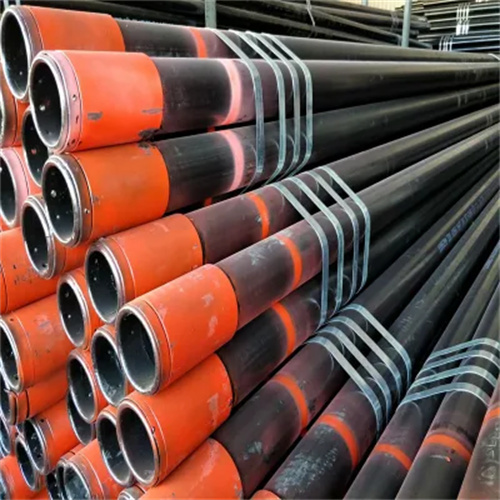
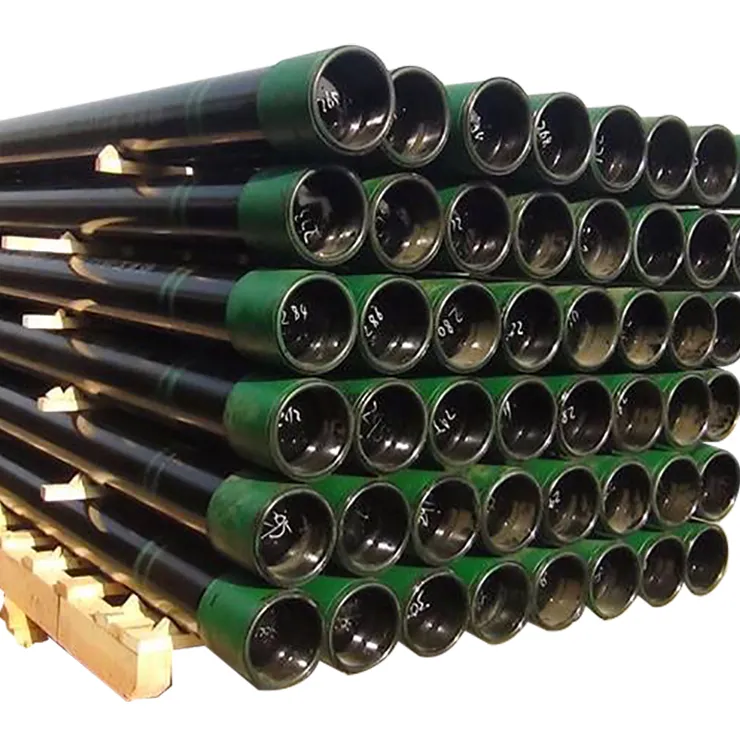
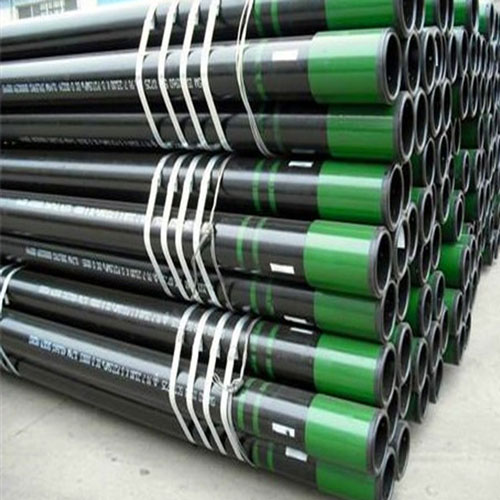
One of the key challenges facing the oil and gas industry is the environmental impact of oil casing technology. Oil casing is used to line the wellbore and prevent the collapse of the well walls during drilling and production. However, the production and disposal of oil casing can have significant environmental consequences, including the release of harmful chemicals into the environment and the generation of large amounts of waste.
To address these challenges, the oil and gas industry must work together to develop and implement more sustainable oil casing technology. This will require collaboration between industry stakeholders, including oil and gas companies, technology providers, regulators, and environmental organizations. By working together, these stakeholders can identify opportunities to improve the environmental performance of oil casing technology and develop innovative solutions to reduce its impact on the environment.
One opportunity for collaboration in improving environmental standards for oil casing technology is the development of more sustainable materials. Traditional Oil casing materials, such as steel and cement, have significant environmental drawbacks, including high energy consumption and greenhouse gas emissions. By developing alternative materials that are more environmentally friendly, the oil and gas industry can reduce its environmental impact and improve the sustainability of oil casing technology.
| Serial Number | Article Name |
| 1 | Steel Pipes |
Another opportunity for collaboration is the adoption of best practices for the design, installation, and maintenance of oil casing. By implementing industry-wide standards and guidelines for oil casing technology, companies can ensure that their operations are conducted in an environmentally responsible manner. This will help to minimize the environmental impact of oil casing technology and improve the overall sustainability of the oil and gas industry.
In addition to improving the environmental performance of oil casing technology, collaboration can also help to address other challenges facing the oil and gas industry, such as regulatory compliance and public perception. By working together, industry stakeholders can develop strategies to meet regulatory requirements and build trust with local communities and environmental organizations. This will help to create a more sustainable and socially responsible oil and gas industry that is better equipped to address the challenges of the 21st century.
Overall, the challenges facing the oil and gas industry in relation to oil casing technology are significant, but there are also opportunities for collaboration and innovation. By working together, industry stakeholders can develop more sustainable materials, adopt best practices, and improve environmental standards for oil casing technology. This will not only help to reduce the environmental impact of oil and gas operations but also create a more sustainable and socially responsible industry for the future.