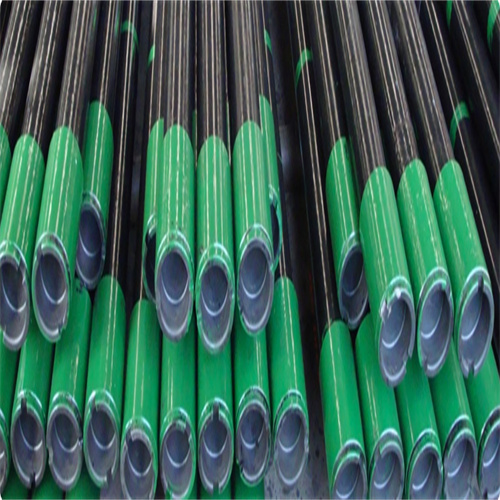
Impact of Oil Casing Technology on Environmental Sustainability
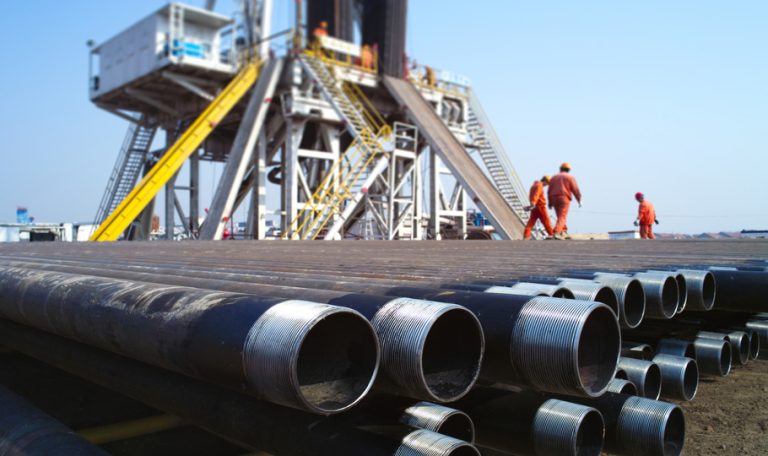
Oil casing technology plays a crucial role in the extraction and production of Oil and Gas. It is a critical component that ensures the integrity and safety of Oil Wells, protecting the environment and preventing leaks and spills. However, The use of oil casing technology also presents challenges and opportunities in terms of environmental sustainability.
One of the key challenges associated with oil casing technology is the potential for leaks and spills. If the casing is not properly installed or maintained, it can lead to the release of oil and gas into the environment, causing pollution and harm to ecosystems. This is a significant concern, as even small leaks can have a major impact on the environment and public health.
To address this challenge, Companies are investing in new technologies and practices to improve the integrity and reliability of oil casing systems. For example, advanced monitoring systems can detect leaks and failures in real-time, allowing for immediate response and mitigation efforts. Additionally, companies are exploring the use of alternative Materials and designs that are more resistant to corrosion and wear, reducing the risk of leaks and spills.
Another challenge associated with oil casing technology is the use of water and chemicals in the extraction process. Hydraulic fracturing, or fracking, requires large amounts of water and chemicals to extract oil and gas from underground reservoirs. This can lead to water contamination and depletion, as well as the release of harmful chemicals into the environment.

To address this challenge, companies are exploring alternative methods of oil extraction that are more sustainable and environmentally friendly. For example, some companies are using recycled water and non-toxic chemicals in their fracking operations, reducing the impact on water resources and ecosystems. Additionally, companies are investing in research and development to find new ways to extract oil and gas that minimize environmental harm.
Despite these challenges, oil casing technology also presents opportunities for environmental sustainability. By improving the efficiency and reliability of oil casing systems, companies can reduce the risk of leaks and spills, protecting the environment and public health. Additionally, by investing in new technologies and practices, companies can minimize the use of water and chemicals in the extraction process, reducing the impact on water resources and ecosystems.
Furthermore, oil casing technology can also contribute to the transition to renewable energy sources. As the demand for oil and gas decreases, companies are looking for ways to repurpose existing infrastructure and expertise for renewable energy projects. For example, some companies are using abandoned oil wells as geothermal energy sources, harnessing the heat from underground reservoirs to generate clean, sustainable power.
In conclusion, oil casing technology presents both challenges and opportunities for environmental sustainability. By addressing the challenges associated with leaks, spills, and resource depletion, companies can improve the integrity and reliability of oil casing systems, protecting the environment and public health. Additionally, by investing in new technologies and practices, companies can minimize the use of water and chemicals in the extraction process, reducing the impact on water resources and ecosystems. Ultimately, oil casing technology has the potential to play a key role in the transition to a more sustainable energy future.
Challenges Faced in Implementing Oil Casing Technology for Environmental Studies
Oil casing technology plays a crucial role in environmental studies, providing valuable data on underground formations and helping to ensure the safe extraction of oil and gas resources. However, the implementation of this technology is not without its challenges. In this article, we will explore some of the key obstacles that researchers and engineers face when using oil casing technology for environmental studies.
One of the primary challenges in implementing oil casing technology for environmental studies is the high cost associated with the equipment and materials required. Oil casing technology involves the use of specialized tools and materials that can be expensive to purchase and maintain. Additionally, the process of installing and operating oil casing equipment can be labor-intensive, further driving up costs. As a result, many research projects and environmental studies may be limited by budget constraints, preventing researchers from fully utilizing this technology.
Another challenge in implementing oil casing technology for environmental studies is the complexity of the equipment and processes involved. Oil casing technology requires a high level of technical expertise to operate effectively, and researchers may struggle to find qualified personnel with the necessary skills and experience. Additionally, the installation and Maintenance of oil casing equipment can be time-consuming and require careful planning to ensure that the equipment is properly installed and functioning correctly. This complexity can pose a significant barrier to the widespread adoption of oil casing technology for environmental studies.
In addition to cost and complexity, researchers also face challenges related to regulatory compliance when using oil casing technology for environmental studies. Oil casing equipment must meet strict safety and environmental standards to ensure that it does not pose a risk to workers or the surrounding environment. Researchers must navigate a complex web of regulations and guidelines to ensure that their oil casing technology is in compliance with all applicable laws and regulations. Failure to meet these requirements can result in costly fines and penalties, further complicating the implementation of oil casing technology for environmental studies.
Despite these challenges, there are also opportunities for researchers and engineers to overcome these obstacles and harness the full potential of oil casing technology for environmental studies. One potential solution is to collaborate with industry partners to share resources and expertise. By working together with oil and gas companies, researchers can access the latest technology and equipment, as well as valuable insights into best practices for using oil casing technology in environmental studies. This collaboration can help to reduce costs and improve the efficiency of research projects, making it easier for researchers to implement oil casing technology in their studies.
Another opportunity for researchers is to invest in training and education for personnel involved in oil casing technology. By providing comprehensive training programs for engineers and technicians, researchers can ensure that their team has the skills and knowledge needed to operate oil casing equipment effectively. This investment in human c APItal can help to overcome the technical challenges associated with oil casing technology and improve the overall success of environmental studies using this technology.
In conclusion, while there are certainly challenges to implementing oil casing technology for environmental studies, there are also opportunities for researchers to overcome these obstacles and unlock the full potential of this technology. By addressing issues related to cost, complexity, and regulatory compliance, researchers can harness the power of oil casing technology to gather valuable data on underground formations and ensure the safe extraction of oil and gas resources. With the right approach and a commitment to collaboration and education, researchers can overcome these challenges and pave the way for a more sustainable future in the oil and gas industry.
Opportunities for Advancement in Oil Casing Technology for Environmental Research
Oil casing technology plays a crucial role in the extraction and transportation of oil and gas resources. As the demand for energy contiNues to rise, the oil and gas industry is constantly looking for ways to improve efficiency and reduce environmental impact. In recent years, there has been a growing interest in using oil casing technology for environmental research purposes. This article will explore the challenges and opportunities in this field, and how advancements in oil casing technology can contribute to environmental sustainability.
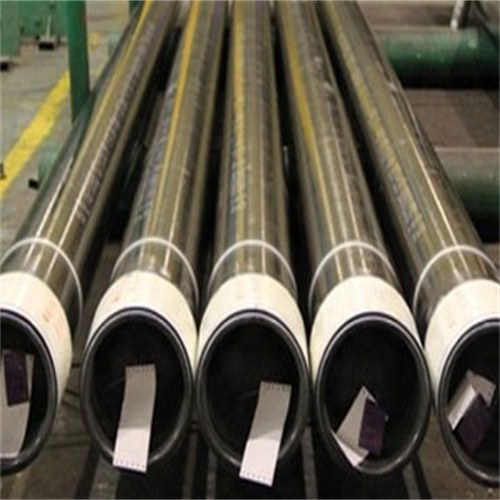
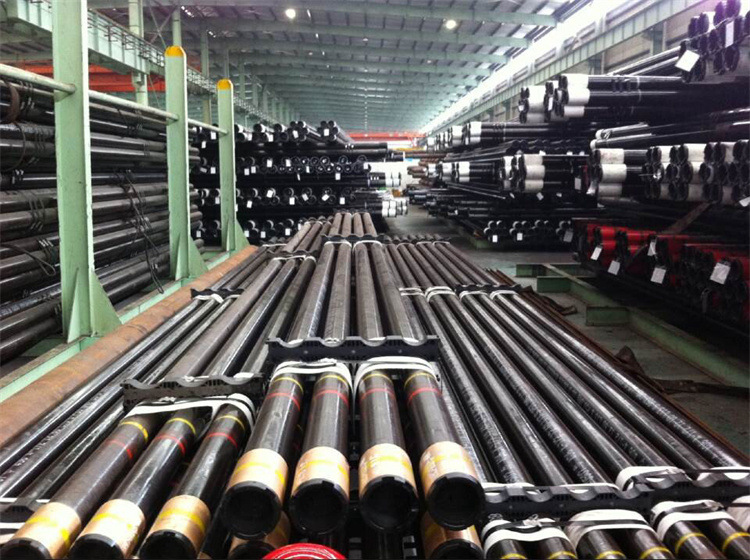
Steel Pipe x52
One of the main challenges in using oil casing technology for environmental research is the limited access to data. Oil and gas companies are often reluctant to share information about their operations, making it difficult for researchers to gather the necessary data for their studies. Additionally, the high cost of oil casing technology can be a barrier for many research projects, especially tHose conducted by smaller organizations or academic institutions.
Despite these challenges, there are several opportunities for advancement in oil casing technology for environmental research. One of the most promising developments is the use of advanced sensors and monitoring systems to collect real-time data on environmental conditions. These sensors can be installed on oil casing equipment to track factors such as temperature, pressure, and fluid flow, providing valuable insights into the impact of oil and gas operations on the environment.
| Number | Product |
| 1 | Production casing |
Another opportunity for advancement in oil casing technology is the development of new materials and coatings that are more environmentally friendly. Traditional Oil casing materials, such as steel, can corrode over time and release harmful chemicals into the environment. By using alternative materials, such as composite polymers or biodegradable coatings, researchers can reduce the environmental impact of oil and gas operations while still maintaining the structural integrity of the casing.
In addition to improving data collection and materials, there is also potential for using oil casing technology to support environmental remediation efforts. For example, researchers could use oil casing equipment to inject remediation agents into contaminated soil or groundwater, helping to clean up pollution from oil and gas spills. By repurposing existing technology for environmental purposes, researchers can leverage the expertise and resources of the oil and gas industry to address pressing environmental challenges.
Overall, the use of oil casing technology for environmental research presents both challenges and opportunities for advancement. By overcoming barriers to data access and cost, researchers can harness the power of advanced sensors and monitoring systems to collect valuable data on environmental conditions. Additionally, the development of new materials and coatings can help reduce the environmental impact of oil and gas operations, while supporting efforts to remediate pollution. With continued innovation and collaboration between industry and academia, oil casing technology has the potential to play a key role in advancing environmental sustainability in the oil and gas industry.