Impact of Outmatch Casing Leakage on Oil well integrity
Outmatch Casing Leakage Woes with This Oil casing oil well integrity is paramount in the Petroleum Industry, where any compromise can lead to significant financial losses and environmental risks. One critical concern affecting Oil Well integrity is casing leakage, which can occur due to various factors such as corrosion, mechanical damage, or poor installation practices. The impact of casing leakage extends beyond immediate financial implications, affecting operational efficiency, environmental sustainability, and regulatory compliance.
Casing leakage jeopardizes the containment of fluids within the wellbore, leading to potential environmental contamination and safety hazards. When fluids, including hydrocarbons and formation water, escape from the intended pathways, they can pollute groundwater reserves and soil, posing risks to ecosystems and human health. Moreover, the loss of containment can result in production delays and substantial remediation costs, further straining operational budgets and timelines.
The financial implications of casing leakage are profound. Operators face direct costs associated with Repairing or replacing compromised casings, as well as indirect costs stemming from reduced production efficiency and regulatory penalties. Moreover, the reputation of oil Companies can suffer due to environmental incidents, impacting investor confidence and stakeholder relations.
Addressing casing leakage requires proactive measures during both the design and operational phases of oil wells. Advanced casing Materials and technologies play a crucial role in mitigating leakage risks. Materials with superior Corrosion resistance and mechanical strength offer enhanced durability against harsh downhole conditions, reducing the likelihood of premature casing failures. Furthermore, innovative casing designs and installation techniques help ensure proper casing integrity from the outset, minimizing potential weak points that could lead to leakage over time.
Outmatch casing represents a promising solution in combating casing leakage challenges. Engineered with state-of-the-art materials and manufacturing processes, outmatch casing enhances reliability and longevity in downhole environments. Its superior resistance to corrosion and mechanical stress prolongs operational lifespan while maintaining fluid containment integrity. This not only reduces Maintenance costs and downtime but also enhances overall operational efficiency and safety.
The adoption of outmatch casing is not merely a technological upgrade but a strategic investment in long-term operational sustainability. By proactively addressing casing integrity issues, oil companies can safeguard their assets, comply with stringent regulatory requirements, and uphold environmental stewardship responsibilities. Moreover, the resilience of outmatch casing contributes to resilient oil production systems that can withstand fluctuating market conditions and operational challenges.
In conclusion, the impact of casing leakage on oil well integrity underscores the importance of adopting advanced technologies such as outmatch casing. By mitigating the risks associated with casing failures, operators can safeguard against environmental harm, financial losses, and operational disruptions. The evolution towards outmatch casing represents a proactive step towards achieving sustainable and resilient oil production practices. As the industry contiNues to innovate, investing in robust casing solutions will remain critical in ensuring the long-term viability and success of oil operations worldwide.
Common Causes and Prevention Strategies for Casing Leakage
Outmatch Casing Leakage Woes with This Oil Casing
Casing leakage in oil wells poses significant challenges to the Oil and Gas industry, often leading to production delays, environmental concerns, and increased operational costs. Understanding the common causes of casing leakage and implementing effective prevention strategies are crucial steps towards ensuring the integrity and longevity of oil well operations.
One of the primary causes of casing leakage is mechanical damage during drilling or completion operations. high-pressure environments and abrasive materials can compromise the integrity of the casing, leading to fractures or holes that allow fluids to escape. Poor Cementing practices exacerbate this issue, as inadequate bonding between the casing and the wellbore can create pathways for fluid migration.
Corrosion is another major culprit in casing leakage. Exposure to corrosive fluids, such as brines or hydrogen sulfide, weakens the casing material over time, increasing the likelihood of leaks. Corrosion can occur both internally and externally, depending on the well conditions and the quality of the casing material used.
Furthermore, thermal expansion and contraction cycles experienced during production operations can stress the casing, potentially causing fatigue failure and subsequent leakage. Improper installation procedures, including insufficient centralization or improper torque application during casing running, also contribute to casing integrity issues.
To mitigate these challenges, oil and gas companies are increasingly turning to advanced casing materials and technologies. High-grade corrosion-resistant alloys and composite materials offer enhanced durability and longevity, reducing the risk of casing failure due to mechanical damage or corrosion. These materials are designed to withstand harsh downhole environments and maintain their structural integrity over extended periods.
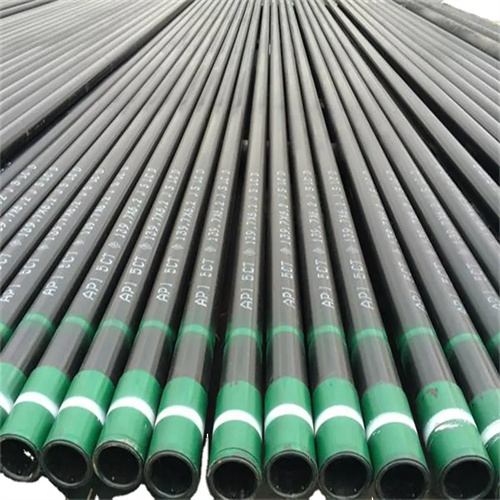
API 5ct C90 CASING chinese Best ExportersIn addition to material advancements, improved well design and Construction practices play a crucial role in preventing casing leakage. Comprehensive risk assessment and wellbore modeling help identify potential areas of concern before drilling commences, allowing engineers to implement targeted mitigation measures. Proper cementing procedures, including adequate zonal isolation and effective bonding between the casing and cement sheath, are essential for minimizing fluid migration pathways.
Regular monitoring and maintenance programs are also integral components of effective casing leakage prevention strategies. Periodic inspection using advanced logging tools allows operators to detect early signs of casing degradation or integrity breaches. Prompt remedial action, such as repairing damaged casing sections or reinforcing weak spots, can prevent escalation to more severe leakage incidents.
Furthermore, ongoing research and development efforts continue to drive innovation in casing technology. Enhanced casing designs, such as expandable or Swellable Packers, offer adaptive solutions that improve Sealing integrity and operational flexibility. These innovations enable operators to respond more effectively to dynamic well conditions and mitigate the risk of casing leakage throughout the lifecycle of the well.
In conclusion, while casing leakage remains a persistent challenge in oil and gas operations, proactive measures can significantly reduce its occurrence and impact. By leveraging advanced materials, improved construction practices, and innovative technologies, oil and gas companies can outmatch casing leakage woes and enhance the reliability and efficiency of their well operations. Continuous vigilance, supported by robust monitoring and maintenance protocols, is essential for preserving casing integrity and ensuring sustainable energy production for years to come.
How Outmatch Casing Failures Affect Production and Safety
Outmatch casing leakage woes with this oil casing.
Oil and gas drilling operations rely heavily on the integrity of Well Casings to ensure both production efficiency and safety. The casing, a crucial component of any well, serves as a barrier between the wellbore and the surrounding environment. However, despite advancements in drilling technology, casing failures remain a significant concern for the industry. Understanding how these failures impact production and safety is essential for implementing effective solutions.
Casing failures can occur due to various factors, ranging from mechanical stress during drilling and completion to corrosion and improper installation. When a casing fails, the consequences can be severe. One of the most common issues associated with casing failures is leakage. Leaks compromise the containment of fluids within the wellbore, leading to potential environmental contamination and loss of valuable resources.
Production is directly affected when casing failures occur. Leaks result in reduced efficiency as operators must intervene to repair or replace the damaged casing. This downtime translates into lost productivity and increased operational costs. Moreover, the safety risks associated with casing failures cannot be understated. Leaks can lead to uncontrolled releases of hydrocarbons, posing environmental hazards and potentially endangering personnel on-site.
To mitigate these risks, industry stakeholders are increasingly turning to advanced casing solutions such as tHose offered by Outmatch. Outmatch casings are engineered to withstand the rigors of drilling operations while minimizing the likelihood of failures. These casings utilize state-of-the-art materials and manufacturing techniques to enhance durability and reliability under diverse operating conditions.
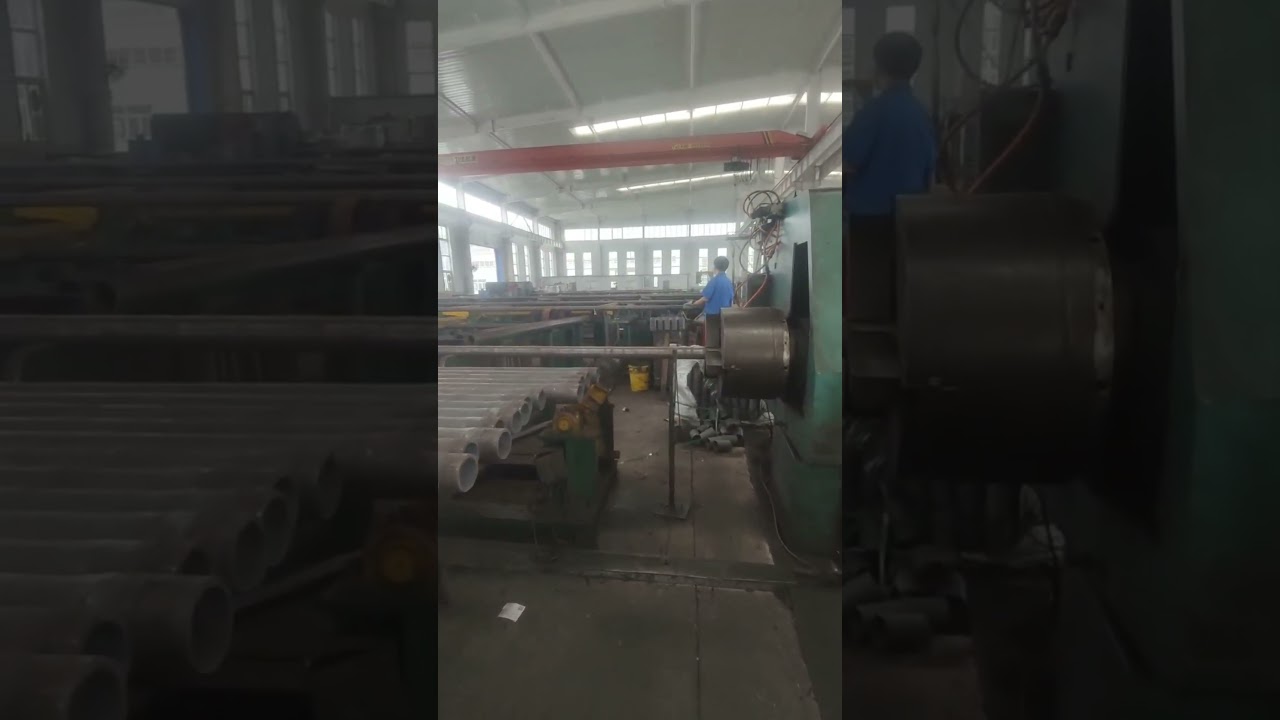 One of the key advantages of Outmatch casings lies in their superior corrosion resistance. Corrosion is a pervasive threat to casing integrity, particularly in harsh environments where wells are exposed to corrosive fluids and gases. By employing corrosion-resistant alloys and protective coatings, Outmatch casings provide enhanced longevity and performance, thereby reducing the frequency of costly repairs and replacements.
Furthermore, Outmatch casings are designed with a focus on installation ease and precision. Proper installation is critical to ensuring the integrity of the casing throughout its operational lifespan. Outmatch\\u2019s commitment to quality assurance and adherence to industry best practices during installation help mitigate the risk of structural defects that could lead to premature failures.
In addition to their technical benefits, Outmatch casings contribute to overall operational efficiency. By minimizing downtime associated with casing failures, operators can optimize production schedules and maximize resource recovery. This operational reliability not only enhances profitability but also supports sustainable practices by reducing the environmental footprint of drilling operations.
The proactive adoption of advanced casing technologies like those offered by Outmatch represents a strategic investment in the long-term viability and safety of oil and gas operations. As the industry continues to evolve, maintaining a steadfast focus on enhancing casing integrity will be crucial for meeting both regulatory requirements and stakeholder expectations.
In conclusion, addressing casing failures is paramount for safeguarding production efficiency and safety in oil and gas drilling operations. By leveraging innovative solutions such as Outmatch casings, operators can effectively mitigate the risks associated with casing leakage and enhance overall operational resilience. Investing in high-quality, reliable casings not only protects against potential environmental liabilities but also supports sustainable resource development practices. As industry standards continue to evolve, embracing advanced casing technologies remains integral to achieving optimal performance and ensuring the longevity of oil and gas wells worldwide.