Detecting Early Signs of Collapse in Casing and Tubing
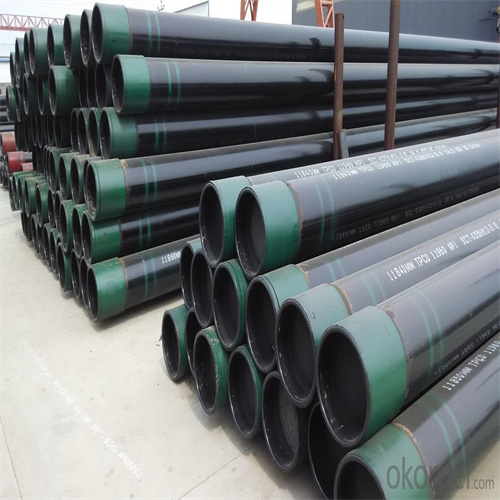
Casing and tubing are critical components in Oil and Gas wells, providing structural support and maintaining well integrity. However, these components are subjected to various stresses during drilling and production operations, which can lead to potential failures such as collapse. Detecting early signs of collapse in casing and tubing is crucial to prevent catastrophic consequences and ensure the safety and efficiency of well operations.
One of the key factors that can lead to collapse in casing and tubing is excessive external pressure. This pressure can result from various sources, including formation pressure, wellbore fluid Weight, and mechanical loads. As the external pressure exceeds the critical collapse strength of the casing and Tubing, it can cause buckling and deformation, ultimately leading to collapse. Therefore, monitoring and predicting the external pressure acting on the casing and tubing are essential in detecting early signs of collapse.
In addition to external pressure, other factors such as corrosion, erosion, and wear can also contribute to the degradation of casing and tubing integrity, increasing the risk of collapse. Corrosion, for example, can weaken the Material properties of the casing and tubing, making them more susceptible to collapse under pressure. Regular inspection and Maintenance programs are essential to identify and address these issues before they escalate into collapse failures.

To predict collapse in casing and tubing, advanced analytical techniques and modeling approaches are employed. Finite element analysis (FEA) is commonly used to simulate the behavior of casing and tubing under different loading conditions, allowing engineers to assess the structural integrity and predict potential failure modes. By analyzing the stress distribution, deformation patterns, and critical failure points, FEA can help identify early signs of collapse and optimize the design and operation of casing and tubing systems.
Furthermore, real-time monitoring technologies such as distributed fiber optic sensing and downhole gauges play a crucial role in detecting changes in casing and tubing conditions. These technologies provide continuous data on temperature, pressure, strain, and other parameters, enabling operators to monitor the integrity of the wellbore and detect anomalies that may indicate impending collapse. Early detection through real-time monitoring allows for timely intervention and preventive measures to mitigate the risk of collapse.
In conclusion, the prediction of collapse in casing and tubing is a critical aspect of well integrity management in the oil and gas industry. By understanding the factors that contribute to collapse, implementing proactive inspection and maintenance programs, utilizing advanced analytical techniques, and leveraging real-time monitoring technologies, operators can detect early signs of collapse and take appropriate actions to ensure the reliability and safety of well operations. Preventing collapse in casing and tubing not only safeguards the environment and assets but also enhances the overall efficiency and productivity of oil and gas production.
Mitigation Strategies for Preventing Collapse in Casing and Tubing
Collapse in casing and tubing is a critical issue in the oil and gas industry, with potentially severe consequences if not addressed effectively. The prediction of collapse in casing and tubing plays a crucial role in ensuring the integrity and safety of oil and gas wells. By understanding the factors that contribute to collapse and implementing appropriate mitigation strategies, operators can prevent costly failures and maintain operational efficiency.
One of the key factors influencing the collapse of casing and tubing is the external pressure exerted on the wellbore. As the depth of the well increases, so does the external pressure, which can lead to collapse if the casing and tubing are not designed to withstand these forces. By accurately predicting the external pressure at different depths, operators can determine the appropriate specifications for the casing and tubing to prevent collapse.
Another important consideration in the prediction of collapse is the mechanical properties of the materials used in the casing and tubing. Factors such as yield strength, elastic modulus, and Wall thickness play a significant role in determining the structural integrity of the components. By conducting thorough material testing and analysis, operators can ensure that the casing and tubing meet the required standards for strength and durability, reducing the risk of collapse.
In addition to external pressure and material properties, the design of the casing and tubing also influences the likelihood of collapse. Factors such as casing size, joint type, and Connection integrity can impact the overall structural stability of the wellbore. By utilizing advanced modeling and simulation techniques, operators can assess the structural performance of the casing and tubing under different operating conditions, allowing them to identify potential weak points and implement design modifications to enhance collapse resistance.
Furthermore, the operational environment of the well, including temperature, fluid properties, and wellbore geometry, can affect the likelihood of collapse in casing and tubing. By monitoring these environmental factors and conducting regular inspections and maintenance, operators can proactively identify potential issues and take corrective actions to prevent collapse before it occurs.
Mitigation strategies for preventing collapse in casing and tubing involve a multi-faceted approach that addresses the various factors contributing to structural failure. This includes implementing robust design standards, conducting thorough material testing, utilizing advanced modeling techniques, and maintaining a proactive approach to wellbore management.
By integrating predictive technologies, such as finite element analysis and wellbore monitoring systems, operators can enhance their ability to forecast collapse events and take preemptive measures to mitigate risks. Additionally, ongoing research and development in materials science and wellbore engineering contiNue to drive innovation in collapse prevention strategies, enabling operators to stay ahead of potential challenges and ensure the long-term integrity of their assets.
oil tubing china Best ExporterIn conclusion, the prediction of collapse in casing and tubing is a critical aspect of wellbore integrity management in the oil and gas industry. By understanding the key factors influencing collapse, implementing effective mitigation strategies, and leveraging advanced technologies, operators can minimize the risk of structural failure and maintain the safety and efficiency of their operations.