Importance of C APItal Budgeting in Oil Casing Supply Chains
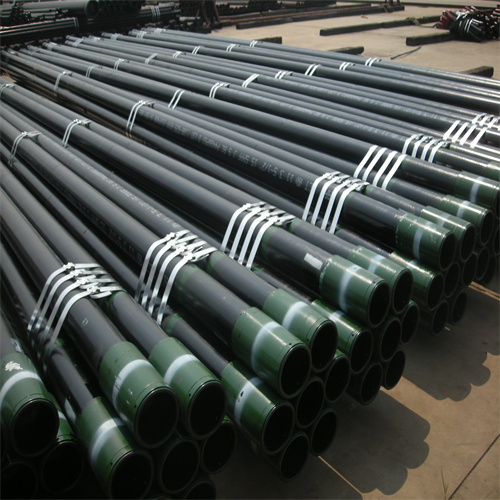
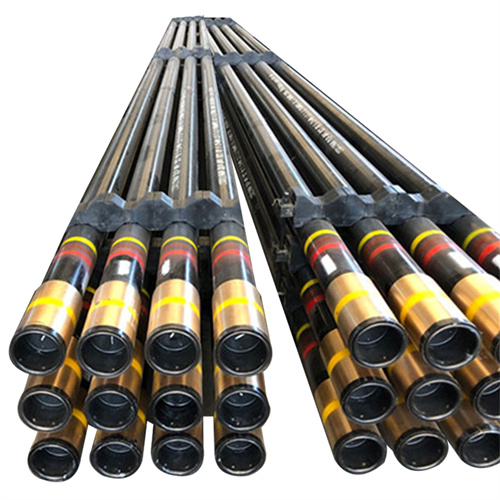
Capital budgeting plays a crucial role in the oil casing supply chain, serving as a systematic approach to evaluating and selecting long-term investments that are essential for the efficient operation of oil extraction and production processes. In the context of oil casing, which involves the Steel Pipes used to line the boreholes of Oil Wells, effective capital budgeting ensures that Companies allocate their financial resources wisely to maximize returns while minimizing risks. The importance of capital budgeting in this sector cannot be overstated, as it directly impacts the overall efficiency and profitability of oil production operations.
To begin with, capital budgeting allows companies to assess the potential profitability of various projects related to oil casing. By analyzing projected cash flows, costs, and potential returns, decision-Makers can prioritize investments that align with the Company\\u2019s strategic objectives. This process is particularly vital in the oil industry, where the volatility of oil Prices can significantly affect project viability. Therefore, a thorough capital budgeting process enables companies to make informed decisions about which casing projects to pursue, ensuring that they invest in initiatives that will yield the highest returns in a fluctuating market.
Moreover, capital budgeting facilitates the identification of the most suitable financing options for oil casing projects. Given the substantial capital requirements associated with drilling and casing operations, companies must carefully consider how to fund these investments. By evaluating different financing alternatives, such as equity, debt, or internal cash reserves, organizations can determine the most cost-effective means of securing the necessary funds. This strategic approach not only helps in managing financial risk but also enhances the overall financial health of the company, allowing it to remain competitive in the industry.
In addition to financial considerations, capital budgeting also plays a pivotal role in risk management within the oil casing supply chain. The oil industry is inherently fraught with uncertainties, including regulatory changes, environmental concerns, and technological advancements. By incorporating risk assessment into the capital budgeting process, companies can identify potential challenges and develop strategies to mitigate them. This proactive approach not only safeguards investments but also ensures that companies are better prepared to adapt to changing market conditions, thereby enhancing their resilience in the face of adversity.
Furthermore, the integration of capital budgeting with supply chain management practices is essential for optimizing the procurement and utilization of Oil casing Materials. Effective capital budgeting enables companies to forecast demand accurately, ensuring that they maintain adequate inventory levels while avoiding overstocking. This balance is critical in the oil industry, where delays in casing supply can lead to costly project interruptions. By aligning capital budgeting with supply chain strategies, organizations can streamline operations, reduce lead times, and enhance overall efficiency.
Child ResistantLastly, the importance of capital budgeting extends beyond individual projects; it also contributes to the long-term sustainability of the oil casing supply chain. By investing in innovative technologies and sustainable practices, companies can not only improve their operational efficiency but also reduce their environmental footprint. This forward-thinking approach is increasingly vital in today\\u2019s market, where stakeholders are placing greater emphasis on corporate social responsibility and environmental stewardship. In conclusion, capital budgeting is an indispensable tool in the oil casing supply chain, enabling companies to make informed investment decisions, manage risks effectively, and promote sustainable practices that ensure long-term success in a competitive industry.
Key Factors Influencing Capital Budgeting Decisions for Oil Casing
Capital budgeting in the Oil and Gas industry, particularly concerning oil casing, is a critical process that involves evaluating potential investments and expenditures to ensure optimal allocation of resources. Several key factors influence these capital budgeting decisions, shaping the strategies that companies adopt to enhance their operational efficiency and profitability. One of the primary considerations is the fluctuating nature of oil prices, which can significantly impact the financial viability of projects. When oil prices are high, companies may be more inclined to invest in new casing technologies or expand existing operations, anticipating higher returns. Conversely, during periods of low prices, firms may adopt a more conservative approach, delaying or scaling back investments to mitigate financial risk.
In addition to market conditions, regulatory frameworks play a crucial role in shaping capital budgeting decisions. The oil and gas sector is subject to a myriad of regulations that govern environmental protection, safety standards, and operational practices. Companies must navigate these regulations carefully, as non-compliance can lead to substantial fines and project delays. Therefore, when evaluating potential investments in oil casing, firms must consider the costs associated with meeting regulatory requirements, which can influence the overall feasibility and attractiveness of a project. This regulatory landscape often necessitates a thorough risk assessment, as companies must weigh the potential benefits of investment against the likelihood of regulatory hurdles.
Another significant factor is technological advancement. The oil industry is continually evolving, with new technologies emerging that can enhance the efficiency and effectiveness of casing operations. For instance, advancements in materials science have led to the development of stronger and more durable casing options, which can reduce the risk of failure and improve overall well integrity. As companies assess their capital budgeting decisions, they must consider the potential return on investment associated with adopting these new technologies. This evaluation often involves a detailed analysis of the costs of implementation versus the long-term benefits, including reduced Maintenance costs and increased production efficiency.

Furthermore, the availability of financing options can greatly influence capital budgeting decisions. In an industry characterized by high capital expenditures, access to funding is essential for executing large-scale projects. Companies must evaluate their financing options, including debt, equity, and internal cash flow, to determine the most viable approach for funding their casing investments. The cost of capital, which can fluctuate based on market conditions and the company\\u2019s creditworthiness, also plays a pivotal role in shaping these decisions. A favorable financing environment may encourage companies to pursue more ambitious projects, while tighter credit conditions may lead to a more cautious approach.
Lastly, the strategic objectives of the organization cannot be overlooked. Each company has its unique goals, whether it be expanding market share, enhancing operational efficiency, or improving sustainability practices. These objectives will guide the capital budgeting process, as firms prioritize investments that align with their long-term vision. For instance, a company focused on sustainability may prioritize investments in environmentally friendly casing technologies, even if the short-term financial returns are less attractive. In conclusion, capital budgeting decisions for oil casing are influenced by a complex interplay of factors, including market conditions, regulatory requirements, technological advancements, financing options, and strategic objectives. By carefully considering these elements, companies can make informed decisions that not only enhance their operational capabilities but also position them for long-term success in a competitive industry.
Strategies for Optimizing Capital Budgeting in Oil Casing Supply Chains
In the oil and gas industry, effective capital budgeting is crucial for optimizing supply chain operations, particularly in the context of oil casing. Oil casing, which refers to the steel pipe used to line the borehole of a well, plays a vital role in ensuring the structural integrity of the well and preventing contamination of groundwater. As such, the strategies employed in capital budgeting for oil casing supply chains can significantly impact both operational efficiency and financial performance. One of the primary strategies for optimizing capital budgeting in this sector involves the careful assessment of project viability through rigorous financial analysis. This includes evaluating the expected return on investment (ROI) and conducting sensitivity analyses to understand how various factors, such as fluctuating oil prices and changes in regulatory environments, may affect project outcomes.
Moreover, integrating advanced data analytics into the capital budgeting process can enhance decision-making capabilities. By leveraging big data, companies can gain insights into market trends, demand forecasts, and supply chain dynamics. This information allows for more accurate budgeting and resource allocation, ultimately leading to improved operational efficiency. Additionally, employing predictive modeling techniques can help organizations anticipate potential challenges and opportunities within the supply chain, enabling them to make informed decisions that align with their long-term strategic goals.
Another essential strategy is fostering collaboration among stakeholders throughout the supply chain. By engaging Suppliers, contractors, and other partners early in the budgeting process, companies can gain a comprehensive understanding of the costs and risks associated with oil casing projects. This collaborative approach not only enhances transparency but also facilitates the identification of cost-saving opportunities, such as bulk purchasing agreements or shared logistics solutions. Furthermore, establishing strong relationships with suppliers can lead to more favorable terms and conditions, ultimately contributing to a more efficient capital budgeting process.
In addition to collaboration, companies should also consider the implementation of technology-driven solutions to streamline their capital budgeting efforts. For instance, utilizing enterprise resource planning (ERP) systems can provide a centralized platform for managing financial data, project timelines, and resource allocation. This integration allows for real-time monitoring of budget performance and enables organizations to make timely adjustments as needed. Furthermore, adopting cloud-based solutions can enhance accessibility and facilitate communication among team members, regardless of their geographical location.
Risk management is another critical component of capital budgeting in oil casing supply chains. Companies must identify and assess potential risks associated with their projects, including market volatility, regulatory changes, and environmental concerns. By developing a robust risk management framework, organizations can implement strategies to mitigate these risks, such as diversifying their supplier base or investing in insurance products. This proactive approach not only safeguards financial investments but also enhances the overall resilience of the supply chain.
Lastly, continuous improvement should be a guiding principle in capital budgeting practices. By regularly reviewing and analyzing past projects, companies can identify lessons learned and best practices that can be applied to future initiatives. This iterative process fosters a culture of innovation and adaptability, ensuring that organizations remain competitive in an ever-evolving industry landscape. In conclusion, optimizing capital budgeting in oil casing supply chains requires a multifaceted approach that encompasses financial analysis, data-driven decision-making, stakeholder collaboration, technology integration, risk management, and a commitment to continuous improvement. By implementing these strategies, companies can enhance their operational efficiency, reduce costs, and ultimately achieve greater success in the oil and gas sector.