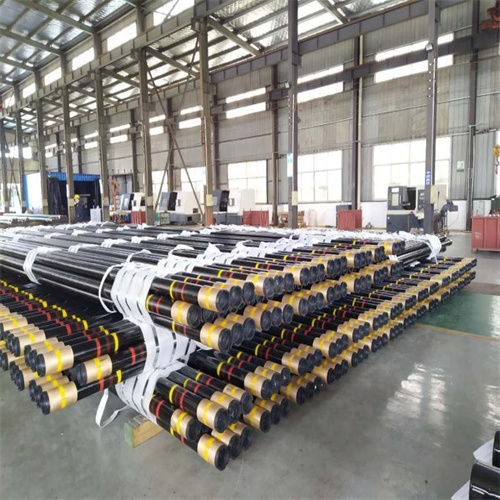
Ufanisi Ulioboreshwa wa Uchimbaji kwa kutumia Teknolojia ya Hali ya Juu ya Uchimbaji
Kuboresha Viwango vya Uzalishaji: Kuweka Ubunifu katika Uchimbaji wa Mafuta
Kupunguza Changamoto za Kiutendaji: Manufaa ya Miundo ya Kisasa ya Casing
Miundo ya kisasa ya kabati imeleta m APInduzi katika tasnia ya uchimbaji mafuta kwa kushughulikia maelfu ya changamoto za kiutendaji. Miundo hii imeundwa kwa ustadi kustahimili shinikizo kali, mazingira ya kutu na hali tofauti za kijiolojia. Kwa kutumia nyenzo za hali ya juu na mbinu za utengenezaji, casings za kisasa hutoa uimara na kutegemewa usio na kifani, na hivyo kupunguza usumbufu unaoweza kutokea wakati wa mchakato wa uchimbaji.
Mojawapo ya sifa nzuri za vifuko hivi ni katika uwezo wao wa kuimarisha uadilifu wa kisima. Kwa kutoa kizuizi imara kati ya kisima na miundo inayozunguka, casings za kisasa huzuia uhamaji wa maji na kudumisha shinikizo la hifadhi. Hili sio tu kwamba hulinda mazingira lakini pia huongeza ufanisi wa uzalishaji kwa kupunguza muda wa chini wa gharama na hatari za uendeshaji.
Aidha, miundo ya kisasa ya casing imeundwa kuwezesha utendakazi bora wa kuweka saruji. Saruji ifaayo ni muhimu kwa kuweka casing mahali pake na kuzuia uvujaji au kuporomoka. Miundo ya hali ya juu ya jiometri na usanidi huhakikisha uwekaji sahihi wa saruji, na hivyo kuimarisha uadilifu wa jumla wa muundo wa kisima na kupunguza uwezekano wa usuluhishi wa gharama kubwa.
Mbali na manufaa yao ya kimuundo, casings za kisasa zimeundwa kwa kuzingatia sana utengamano wa uendeshaji. Wanaweza kushughulikia anuwai ya mbinu na vifaa vya kukamilisha, ikiruhusu ujumuishaji usio na mshono na zana na teknolojia zingine za shimo. Uwezo huu wa kubadilika ni muhimu katika kuboresha utendakazi wa kisima na kuongeza viwango vya uchimbaji katika miundo mbalimbali ya kijiolojia.
Aidha, mageuzi ya nyenzo za casing yamechangia kwa kiasi kikubwa ufanisi wa utendakazi. Aloi za nguvu za juu na vifaa vyenye mchanganyiko hutoa mali ya mitambo ya hali ya juu wakati wa kudumisha upinzani wa kemikali na utulivu wa joto. Hii sio tu huongeza muda wa kuishi wa kabati lakini pia huongeza utendakazi wake chini ya hali ngumu za utendakazi, kama vile hifadhi zenye halijoto ya juu au mazingira yenye ulikaji.
Faida nyingine inayojulikana ya miundo ya kisasa ya kabati ni mchango wao katika utunzaji wa mazingira. Kwa kupunguza hatari ya uvujaji wa maji na uhamaji wa gesi, kabati hizi husaidia kupunguza athari za kimazingira zinazohusiana na shughuli za uchimbaji wa mafuta. Mtazamo huu makini unapatana na kanuni na viwango vya sekta, kuhakikisha mazoea endelevu na kukuza imani ya jamii.
Kwa mtazamo wa vifaa, kabati za kisasa hurahisisha michakato ya usakinishaji na urejeshaji kupitia vipengele vya ubunifu na itifaki zilizosanifiwa. Hii inapunguza muda wa kupeleka na gharama za uendeshaji, huku pia ikiimarisha hatua za usalama kwa wafanyakazi waliopo.
Kwa kumalizia, kupitishwa kwa miundo ya kisasa ya kabati kunawakilisha maendeleo muhimu katika kupunguza changamoto za uendeshaji ndani ya sekta ya uchimbaji wa mafuta. Kwa kuunganisha teknolojia za kisasa na kanuni za uhandisi, casings hizi hutoa suluhisho la kina ili kuimarisha uadilifu wa kisima, kuongeza ufanisi wa uzalishaji, na kuzingatia uwajibikaji wa mazingira. Kadiri mahitaji ya nishati yanavyoendelea kukua, jukumu la makasha ya kisasa katika kuhakikisha mazoea ya kuaminika na endelevu ya uchimbaji wa mafuta bado ni ya lazima. Kukumbatia maendeleo haya sio tu kunaleta mafanikio ya kiutendaji lakini pia kunasisitiza kujitolea kwa uvumbuzi na ubora katika harakati za usalama wa nishati duniani.
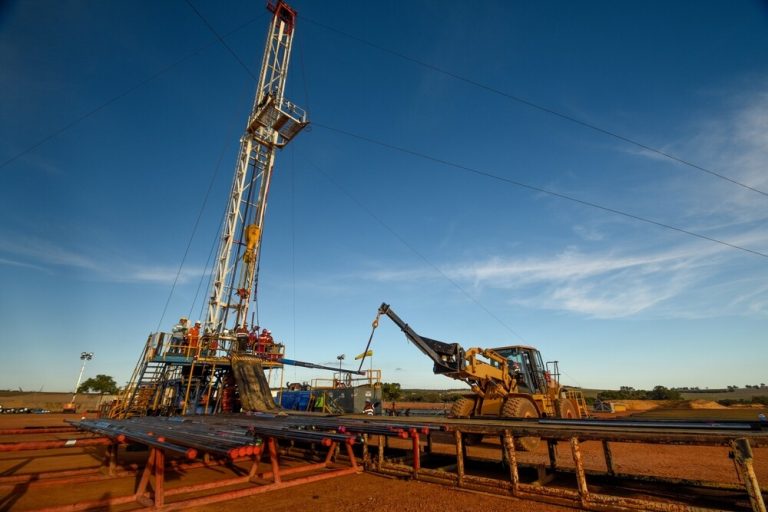
In the dynamic world of Oil extraction, efficiency and reliability are paramount. Engineers and researchers continually strive to enhance production rates while mitigating operational challenges. One pivotal aspect in this pursuit is the development and implementation of advanced casing technologies. These innovations play a crucial role in optimizing extraction processes, offering a myriad of benefits that streamline operations and enhance overall productivity.
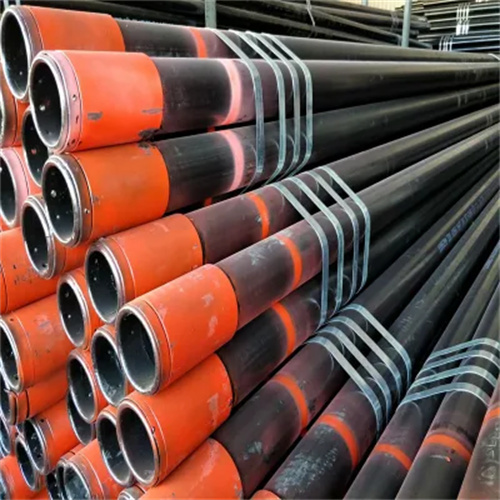
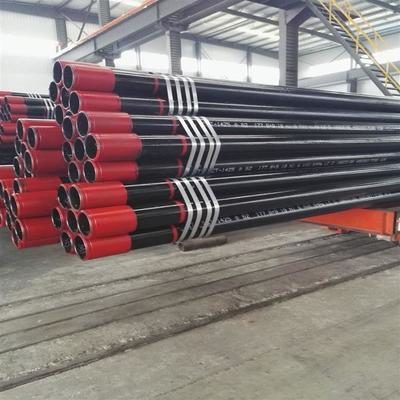
Casing, the protective lining inserted into Oil Wells, serves as a critical barrier between the wellbore and the surrounding geological formations. Its primary function is to maintain structural integrity, prevent well collapse, and ensure the efficient extraction of Oil and Gas. Traditional casing Materials have often faced limitations in harsh operating conditions, such as high temperatures, corrosive environments, and extreme pressures. These challenges spurred the need for innovative materials and designs capable of withstanding demanding extraction environments.
One of the most remarkable advancements in casing technology lies in the development of composite materials. These materials combine the strength of traditional Steel casings with the Corrosion resistance and lightWeight properties of polymers and advanced fibers. By leveraging composite casings, operators can significantly extend the lifespan of wells, reduce Maintenance costs, and enhance safety during operations. Furthermore, composite casings offer superior thermal insulation properties, mitigating the risk of heat loss or thermal damage to the well structure—a common concern in deep-sea or geothermal drilling.
In addition to material advancements, casing design has also seen notable innovations aimed at improving operational efficiency. For instance, expandable casing technology has gained prominence for its ability to adapt to various well Diameters and formations. This technology allows for in-situ expansion of the casing, eliminating the need for multiple Casing strings and reducing installation time and costs. Moreover, expandable casings provide a tighter fit against the wellbore, enhancing zonal isolation and minimizing fluid migration—an essential factor in maintaining well integrity and optimizing production rates.
Another pivotal development in casing technology is the integration of smart sensors and monitoring systems. These innovations enable real-time data collection on casing integrity, downhole conditions, and production performance. By continuously monitoring casing health and well dynamics, operators can promptly identify potential issues such as corrosion, casing deformation, or fluid influx. Early detection allows for timely intervention, preventing costly downtime and enhancing operational reliability.
Furthermore, the adoption of advanced casing Connections has revolutionized installation procedures and well integrity management. Threaded and coupled connections with enhanced Sealing mechanisms ensure robust integrity under extreme pressures and environmental conditions. These connections not only facilitate easier installation and removal but also contribute to safer and more reliable well operations over the entire lifecycle.
The evolving landscape of oil extraction demands continual adaptation and innovation. As such, research and development efforts are focused on further enhancing the durability, performance, and environmental sustainability of casing technologies. Future advancements may include bio-based polymers, nanocomposite materials, and autonomous casing systems capable of self-monitoring and adaptive responses.
In conclusion, the integration of advanced casing technologies represents a cornerstone in optimizing production rates and overcoming extraction challenges in the oil and gas industry. From composite materials to expandable designs and smart monitoring systems, these innovations underscore a commitment to efficiency, safety, and sustainability. As the quest for energy resources contiNues, the role of casing innovations will remain pivotal in shaping the future of oil extraction worldwide.
Mitigating Operational Challenges: Benefits of Modern Casing Designs
In the realm of oil extraction, efficiency and reliability are paramount. Every operational challenge presents an opportunity for innovation and improvement. One such crucial area is the design and implementation of casings, which play a fundamental role in ensuring the Smooth and efficient extraction of oil from reservoirs deep beneath the earth’s surface.
 Modern casing designs have revolutionized the oil extraction industry by addressing a myriad of operational challenges. These designs are meticulously engineered to withstand extreme pressures, corrosive environments, and varying geological conditions. By leveraging advanced materials and manufacturing techniques, modern casings offer unparalleled durability and reliability, thereby mitigating potential disruptions during the extraction process.
One of the brilliant characteristics of these casings lies in their ability to enhance well integrity. By providing a robust barrier between the wellbore and surrounding formations, modern casings prevent fluid migration and maintain reservoir pressure. This not only safeguards the environment but also optimizes production efficiency by minimizing costly downtime and operational risks.
Furthermore, modern casing designs are tailored to facilitate efficient Cementing operations. Proper cementing is essential for securing the casing in place and preventing leaks or collapses. Advanced casing geometries and configurations ensure precise cement placement, thereby enhancing the overall structural integrity of the wellbore and reducing the likelihood of costly remedial interventions.
In addition to their structural benefits, modern casings are designed with a keen focus on operational versatility. They can accommodate a wide range of completion techniques and equipment, allowing for seamless integration with other Downhole Tools and technologies. This adaptability is crucial in optimizing well performance and maximizing extraction rates across diverse geological formations.
Moreover, the evolution of casing materials has significantly contributed to operational efficiency. High-strength alloys and composite materials offer superior mechanical properties while maintaining chemical resistance and thermal stability. This not only extends the lifespan of the casing but also enhances its performance under challenging operational conditions, such as high-temperature reservoirs or corrosive environments.
Another notable advantage of modern casing designs is their contribution to environmental stewardship. By minimizing the risk of fluid leaks and gas migration, these casings help mitigate environmental impacts associated with oil extraction activities. This proactive approach aligns with industry regulations and standards, ensuring sustainable practices and fostering community trust.
From a logistical standpoint, modern casings streamline installation and retrieval processes through innovative design features and standardized protocols. This reduces deployment time and operational costs, while also enhancing safety measures for onsite personnel.
In conclusion, the adoption of modern casing designs represents a pivotal advancement in mitigating operational challenges within the oil extraction industry. By integrating cutting-edge technologies and engineering principles, these casings offer a comprehensive solution to enhance well integrity, optimize production efficiency, and uphold environmental responsibility. As the demand for energy continues to grow, the role of modern casings in ensuring reliable and sustainable oil extraction practices remains indispensable. Embracing these advancements not only drives operational success but also underscores a commitment to innovation and excellence in the pursuit of global energy security.