Mada ya Blogu: Tathmini ya Mazingira ya Teknolojia ya Ufungaji wa Mafuta: Changamoto na Fursa Zinazohusiana
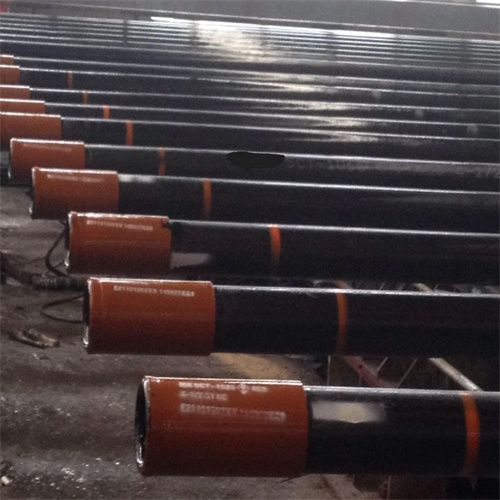
API 5ct R95 Casing Wauzaji Bora wa Jumla wa Kichina
Tathmini ya mazingira ya teknolojia ya kabati ya mafuta pia inajumuisha awamu ya mwisho ya maisha ya nyenzo za casing. Utupaji wa makasha yaliyotumika huleta changamoto katika suala la udhibiti wa taka na urejelezaji. Maganda ya chuma, haswa, yanaweza kuwa magumu kusaga tena kwa ufanisi, na hivyo kusababisha wasiwasi kuhusu taka ya dampo na uharibifu wa rasilimali.
Ili kukabiliana na changamoto hizi, kuna fursa za kutekeleza kanuni za uchumi wa mzunguko katika usimamizi wa nyenzo. Programu za kuchakata tena, kutumia tena vifuko katika tasnia nyingine, na kuchunguza teknolojia bunifu za kuchakata tena kunaweza kusaidia kupunguza athari za kimazingira za utupaji wa kabati. Kwa kupitisha mbinu ya uchumi wa mzunguko, sekta ya mafuta na gesi inaweza kupunguza uzalishaji wa taka na kukuza matumizi endelevu ya nyenzo za casing.
Kwa kumalizia, tathmini ya mazingira ya teknolojia ya casing ya mafuta inatoa changamoto na fursa kwa sekta hiyo. Kwa kushughulikia athari za mazingira za nyenzo za casing, kuboresha uadilifu wa casing, na kutekeleza mazoea endelevu ya utupaji wa casing, tasnia inaweza kupunguza alama yake ya mazingira na kuchangia mustakabali endelevu zaidi wa shughuli za mafuta na gesi.
 In response to these challenges, there are opportunities for innovation in casing Material technology. Researchers and industry experts are exploring the use of composite materials, biodegradable polymers, and other sustainable alternatives to traditional Steel casings. These materials offer the potential to reduce the environmental impact of Oil Casing technology while maintaining the structural integrity required for well operations.
Another key challenge in the environmental assessment of oil casing technology is the issue of casing leaks and failures. Improper casing installation or degradation over time can lead to leaks that pose environmental risks, such as groundwater contamination and soil pollution. Addressing these challenges requires a comprehensive approach to casing design, installation, and monitoring to ensure the integrity of Well Casings throughout their lifecycle.
Opportunities exist to improve casing integrity through advanced monitoring technologies and predictive Maintenance strategies. Real-time monitoring systems can detect casing leaks and failures early, allowing operators to take corrective action before environmental damage occurs. Additionally, the development of predictive maintenance algorithms can help identify potential casing issues before they escalate, reducing the risk of environmental incidents.
The environmental assessment of oil casing technology also encompasses the end-of-life phase of casing materials. Disposal of used casings presents challenges in terms of waste management and recycling. Steel casings, in particular, can be difficult to recycle efficiently, leading to concerns about landfill waste and resource depletion.
To address these challenges, there are opportunities to implement circular economy principles in casing material management. Recycling programs, reusing casings in other industries, and exploring innovative recycling technologies can help reduce the environmental impact of casing disposal. By adopting a circular economy approach, the Oil and Gas industry can minimize waste generation and promote the sustainable use of casing materials.
In conclusion, the environmental assessment of oil casing technology presents both challenges and opportunities for the industry. By addressing the environmental impact of casing materials, improving casing integrity, and implementing sustainable casing disposal practices, the industry can mitigate its environmental footprint and contribute to a more sustainable future for oil and gas operations.