**Kuchunguza Ulimwengu wa Vipimo na Uzito wa Bomba: Uchambuzi wa Kina**
Chuma
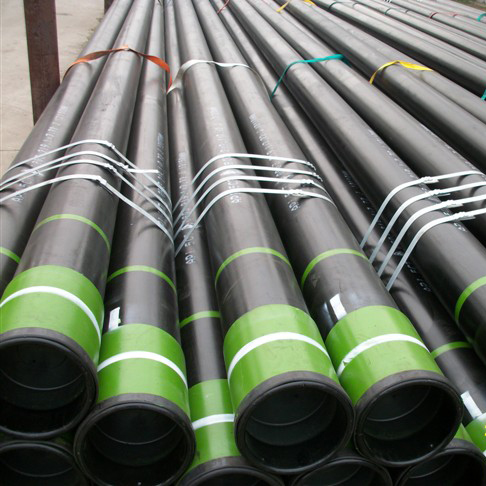
Casing Pipe,casing bomba la kisima, casing bomba la juu zaidi, casing vs carrier pipe, casing for ac pipe, casing Steel Pipe, casing pipe size, casing pipe ya pvc, casing pipe, casing pipe wasambazaji nchini china, casing capping pipe, casing drill bomba, bomba la kubebea, ukubwa wa bomba la kufungia, flange ya bushing, Sleeve ya bushing, bushing, mkono wa bushing, kuzaa bushing, bushing reducer, bushing tool, bushing pvc, bushing maana
**Kuabiri Utata wa Vipimo na Uzito wa Bomba: Mwongozo Kamili**
Kuelewa vipimo na uzani wa bomba inaweza kuwa kazi ngumu, haswa kwa wale ambao hawajui vizuri mambo ya ndani na nje ya tasnia ya bomba. Hata hivyo, ni kipengele muhimu kinachohitaji uangalizi wa kina, kutokana na ushawishi wake juu ya utendaji na ufanisi wa mifumo ya mabomba. Makala haya yanatoa mwongozo wa kina wa kukusaidia kuabiri ugumu wa vipimo na uzani wa bomba.
Jambo muhimu zaidi kuelewa kuhusu vipimo vya bomba ni kwamba sio tu kipimo cha saizi ya bomba. Badala yake, zinaonyesha anuwai ya sifa ikijumuisha kipenyo cha bomba, unene wa ukuta na urefu. Kipenyo kinamaanisha umbali kutoka upande mmoja wa bomba hadi nyingine, kupita katikati. Unene wa ukuta, kwa upande mwingine, ni umbali kati ya nyuso za ndani na nje za bomba. Mwishowe, urefu wa bomba kawaida hupimwa kutoka mwisho hadi mwisho. Ni muhimu kukumbuka kuwa vipimo hivi vinahusiana na mabadiliko kwa kimoja yanaweza kuathiri vingine.
Mizani ya bomba, pia, ni ngumu zaidi kuliko inavyoweza kuonekana mwanzoni. Sababu za msingi zinazoathiri uzito wa bomba ni nyenzo ambazo bomba hufanywa na vipimo vyake. Vifaa tofauti vina wiani tofauti, ambayo huathiri moja kwa moja uzito wa bomba. Kwa mfano, bomba linalotengenezwa kwa chuma litakuwa na uzito zaidi ya bomba la ukubwa sawa na alumini kutokana na msongamano mkubwa wa chuma.
Aidha, njia ambayo vipimo vya bomba huingiliana na uzito ni muhimu. Bomba la muda mrefu lit APIma zaidi ya fupi la kipenyo sawa na unene wa ukuta, na bomba yenye kipenyo kikubwa au ukuta mkubwa itakuwa na uzito zaidi ya bomba ndogo au nyembamba ya urefu sawa. Kuelewa uhusiano huu ni muhimu wakati wa kuchagua mabomba kwa ajili ya programu mahususi, kwa kuwa uzito unaweza kuathiri gharama na uwezekano wa usakinishaji.
Aidha, ni muhimu kuzingatia athari za vipimo na uzito wa bomba kwenye utendakazi wa bomba. Kwa mfano, bomba yenye kipenyo kikubwa itaweza kusafirisha maji zaidi kwa wakati mmoja kuliko bomba yenye kipenyo kidogo. Hata hivyo, bomba yenye ukuta mzito zaidi itakuwa imara na inayoweza kuhimili shinikizo la juu. Kwa hivyo, kutambua vipimo na uzito bora zaidi kwa programu fulani kunahitaji uwiano makini wa mambo haya.
Zaidi ya hayo, viwango vya kimataifa vina jukumu muhimu katika kufafanua vipimo na uzito wa bomba. Mashirika ya viwango kama vile Jumuiya ya Majaribio na Nyenzo ya Marekani (ASTM) na Shirika la Kimataifa la Kuweka Viwango (ISO) huweka vigezo ili kuhakikisha upatanifu na mwingiliano wa mabomba katika maeneo na matumizi mbalimbali. Kufahamu viwango hivi ni muhimu wakati wa kutafuta mabomba, hasa kwa miradi ya kimataifa.
Kwa kumalizia, kuabiri ugumu wa vipimo na uzani wa bomba kunahitaji uelewa wa kina wa inter
**Navigating the Complexities of Pipe Dimensions and Weights: A Comprehensive Guide**
Understanding pipe dimensions and weights can be a complex task, especially for tHose who are not well-versed in the ins and outs of the piping industry. However, it is a critical aspect that requires meticulous attention, given its influence on the functionality and efficiency of piping systems. This article provides a comprehensive guide to help you navigate the intricacies of pipe dimensions and weights.

The most important thing to understand about pipe dimensions is that they are not simply a measure of the pipe’s size. Rather, they reflect a range of characteristics including the pipe’s Diameter, Wall thickness, and Length. The diameter refers to the distance from one side of the pipe to the other, passing through the center. The wall thickness, on the other hand, is the distance between the inner and outer surfaces of the pipe. Lastly, the length of the pipe is typically measured from end to end. It’s crucial to remember that these dimensions are interrelated and changes to one can impact the others.
pipe weights, too, are more complex than they might initially appear. The primary factors influencing pipe weight are the Material from which the pipe is made and its dimensions. Different materials have different densities, which directly affect the weight of the pipe. For instance, a pipe made from steel will weigh more than a pipe of the same size made from aluminium due to the higher density of steel.
Moreover, the way in which pipe dimensions interact with weight is critical. A longer pipe will weigh more than a shorter one of the same diameter and wall thickness, and a pipe with a greater diameter or thicker wall will weigh more than a smaller or thinner pipe of the same length. Understanding this relationship is key when selecting Pipes for specific applications, as the weight can impact both the cost and feasibility of installation.
Additionally, it’s important to consider the implications of pipe dimensions and weights on the pipe’s performance. For example, a pipe with a larger diameter will be able to transport more fluid at a time than a pipe with a smaller diameter. However, a pipe with a thicker wall will be sturdier and better able to withstand high pressures. Therefore, identifying the optimal dimensions and weight for a particular application requires a careful balance of these considerations.
Furthermore, international standards play a significant role in defining pipe dimensions and weights. Standardization bodies such as the American Society for Testing and Materials (ASTM) and the International Organization for Standardization (ISO) set parameters to ensure compatibility and interoperability of pipes across different regions and applications. Familiarity with these standards is essential when sourcing pipes, especially for international projects.
In conclusion, navigating the complexities of pipe dimensions and weights requires a deep understanding of the inter