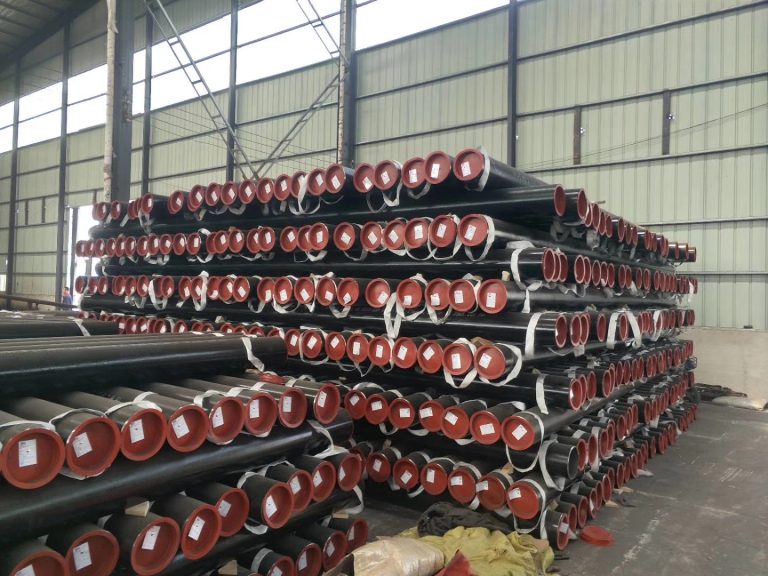
**Kuchunguza Aina: Aina Mbalimbali za Nyuzi za Bomba la Oilfield**
Aina nyingine maarufu ya uzi wa bomba la uwanja wa mafuta ni uzi wa Bomba la Mstari (LP). Nyuzi za LP hutumiwa kimsingi katika mabomba ya uwanja wa mafuta, ambapo hupendelewa kwa uwezo wao bora wa kuziba. Nyuzi hizi zimepunguzwa, ambayo huruhusu muunganisho salama na mgumu ambao ni muhimu kwa kuzuia uvujaji katika mazingira yenye shinikizo la juu.
Kuchimba mafuta na gesi pia kunahitaji matumizi ya nyuzi maalumu za bomba zinazojulikana kama Rotary Shouldered Connections (RSC). Nyuzi hizi ni thabiti na zimeundwa mahsusi kwa hali mbaya zaidi zinazopatikana katika shughuli za uchimbaji. Nyuzi za RSC mara nyingi hupatikana katika mabomba ya kuchimba visima, kola za kuchimba visima, na vifaa vingine vya kuchimba visima, ambapo huhakikisha muunganisho thabiti na wa kutegemewa.
Nyezi za premium zinawakilisha aina nyingine ya nyuzi za bomba la uwanja wa mafuta. Hizi ni nyuzi za utendaji wa juu ambazo kwa kawaida humilikiwa na watengenezaji mahususi. Nyuzi za kulipia zimeundwa kwa ajili ya programu maalum, kama vile uchimbaji wa maji ya kina kirefu au uendeshaji chini ya halijoto kali na shinikizo. Hutoa ufungaji ulioimarishwa, uwezo wa kupakia na ufanisi, ambao unahalalisha gharama yao ya juu ikilinganishwa na nyuzi za kawaida.
Casing Pipe,casing bomba la kisima, casing bomba la juu zaidi, casing vs carrier pipe, casing for ac pipe, casing Steel Pipe, casing pipe size, casing pipe ya pvc, casing pipe, casing pipe wasambazaji nchini china, casing capping pipe, casing drill bomba, bomba la kubebea, ukubwa wa bomba la kufungia, flange ya bushing, Sleeve ya bushing, bushing, mkono wa bushing, kuzaa bushing, bushing reducer, bushing tool, bushing pvc, bushing maana
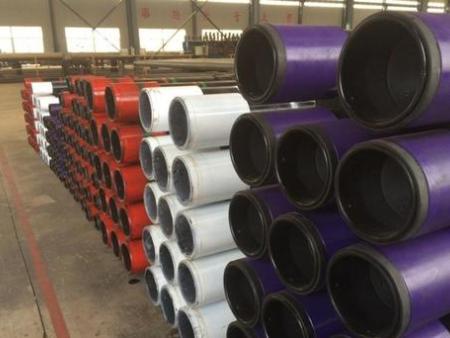
Kwa kumalizia, aina mbalimbali za nyuzi za mabomba ya mafuta ni ushahidi wa hali mbalimbali na changamoto zinazopatikana katika shughuli za uwanja wa mafuta. Kutoka kwa nyuzi za madhumuni ya jumla ya API hadi nyuzi za malipo thabiti na za utendaji wa juu, Mstari wa Juu, na nyuzi za Seal-Lock, kila aina hutumikia madhumuni mahususi, kuhakikisha uchimbaji salama na bora wa mafuta na gesi. Kwa kuelewa aina hizi tofauti za nyuzi, tunapata shukrani za kina kwa ugumu na usahihi unaohusika katika sekta ya mafuta na gesi. Hatimaye, ni vipengele hivi vidogo kama
**Kuelewa Nyuzi za Bomba la Oilfield: Kuangalia kwa Kina Aina Zake**
Tubing na casing Threads hutumika katika uchimbaji na uzalishaji wa visima vya mafuta na gesi. Nyuzi za duara, zinazojulikana pia kama nyuzi za pande zote za API, ndizo zinazojulikana zaidi na zimeundwa kustahimili shinikizo kubwa la ndani linalopatikana ndani ya kisima. Zinatofautishwa na mizizi na nyufa za mviringo, ambazo huruhusu muunganisho thabiti na salama, na hivyo kupunguza hatari ya kuvuja.
Nyezi za buttress, kwa upande mwingine, zimeundwa kwa ajili ya mabomba ya unene wa kuta nzito ambayo huwekwa wazi kwa mizigo ya juu ya axial, kama zile zinazopatikana kwenye visima virefu na vyenye shinikizo kubwa. Nyuzi hizi zina sehemu nzima ya pembetatu, yenye upande mmoja unaoelekea kwenye bomba, ambayo huziwezesha kustahimili vyema nguvu kali zilizopo katika hali hizi.
Nyezi za bomba la mstari, jamii ya pili pana, hutumika kusafirisha mafuta, gesi, na maji kutoka kisimani hadi vituo vya usindikaji. Kuna aina mbili kuu: nyuzi za bomba la mstari wa API na nyuzi za muhuri kavu. Nyuzi za bomba la mstari wa API zina taper inayoruhusu kuziba kwa nguvu, wakati nyuzi za muhuri kavu zina muundo wa kipekee unaoruhusu kiunganishi kisicho na shinikizo bila kuhitaji misombo ya kuziba.
Mbali na hizi, kuna aina kadhaa maalum. ya nyuzi kama vile nyuzi zenye mikondo iliyokithiri, ambazo zina muundo wa uzi uliorekebishwa kwa hali mbaya ya huduma, na nyuzi za mirija iliyounganishwa, iliyoundwa kwa ajili ya mirija ya kipenyo kidogo ambapo viungio vilivyochochewa havifai.
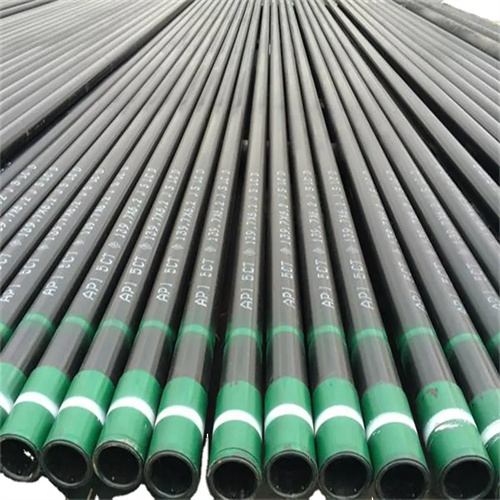
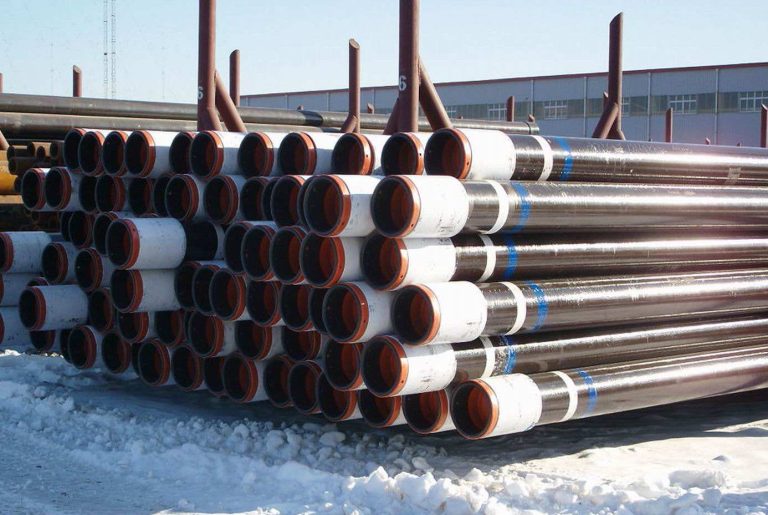
api 5ct Q125 casing Kichina Mfanyabiashara Bora wa Jumla
In the Oil and Gas industry, pipe threads play an essential role, serving as the primary method for connecting Pipes, casings, and tubing. Understanding the types of oilfield pipe threads can significantly aid operations, enhancing efficiency and safety. This article offers an in-depth look at the different types of oilfield pipe threads, their characteristics, and their applications.
Primarily, there are two broad categories of oilfield pipe threads: tubing and casing threads, and line pipe threads. Tubing and casing threads are further divided into two types: round threads and buttress threads.
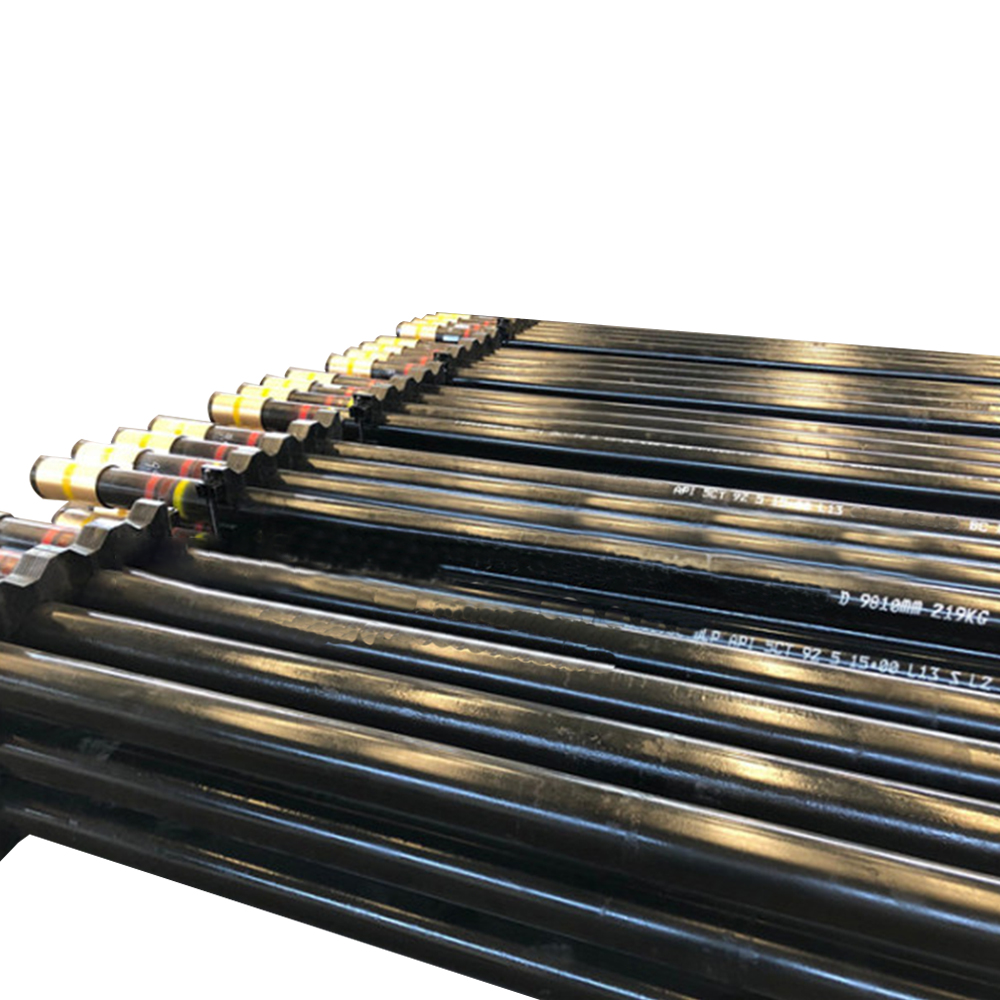
Tubing and casing threads are used in the drilling and production of oil and gas wells. Round threads, also known as API round threads, are the most common and are designed to withstand the high internal pressures found inside the well. They are characterized by their rounded roots and crests, which allow for a sturdy and secure connection, reducing the risk of Leakage.
Buttress threads, on the other hand, are designed for heavy Wall thickness pipes that are exposed to high axial loads, such as tHose found in deep and high-pressure wells. These threads have a triangular cross-section, with one side perpendicular to the pipe, which enables them to better resist the extreme forces present in these conditions.
Line pipe threads, the second broad category, are used for transporting oil, gas, and water from the well to processing facilities. There are two main types: API line pipe threads and dry-seal threads. API line pipe threads have a taper that allows for a tight seal, while dry-seal threads have a unique design that allows for a pressure-tight joint without the need for sealing compounds.
In addition to these, there are several specialized types of threads such as extreme-line casing threads, which have a modified buttress thread form for extreme service conditions, and integral-joint tubing threads, designed for small Diameter tubing where welded joints are unsuitable.
Understanding these different types of oilfield pipe threads and their unique characteristics is crucial in the oil and gas industry. The appropriate selection and application of these threads can significantly enhance the efficiency of drilling and production operations, while ensuring the safety of personnel and the environment.
In conclusion, oilfield pipe threads are a vital component in the oil and gas sector. By understanding the different types and their specific applications, one can better navigate the complexities of this industry, improving operations and maximizing productivity. Whether it’s the high-pressure conditions of a deep well or the transportation of oil and gas to processing facilities, there is a specific thread type designed to meet those needs.