**Exploring the Variety: Different Types of Oilfield Pipe Threads**
In the complex world of oilfield operations, one might be surprised to find that something as seemingly straightforward as pipe threads can come in a myriad of types. However, given the intricate and high-stakes nature of Oil and Gas extraction, this variety serves a crucial purpose. This discussion explores the different types of oilfield pipe threads, highlighting their unique features and applications.
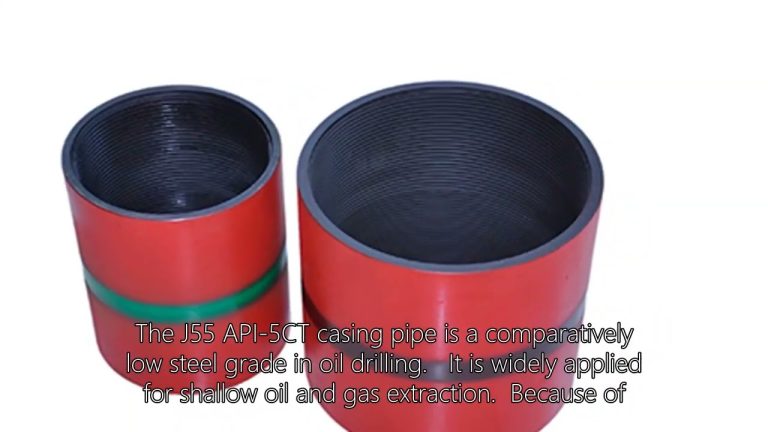
A common type of oilfield pipe thread is the American Petroleum Institute ( API) thread. API threads are further divided into two main categories: round and buttress. Round threads, as the name suggests, have a round cross-section, designed for general-purpose applications. They are widely used due to their ease of use and broad applicability. On the other hand, buttress threads, characterized by a triangular cross-section, are specifically designed to withstand the high axial forces that are common in oilfield operations.
Another prominent type of oilfield pipe thread is the Line Pipe (LP) thread. LP threads are primarily used in oilfield pipelines, where they are favored for their excellent Sealing capability. These threads are tapered, which allows for a secure and tight Connection that is essential for preventing leaks in high-pressure environments.
Drilling for oil and gas also necessitates the use of specialized pipe threads known as Rotary Shouldered Connections (RSC). These threads are robust and specifically designed for the extreme conditions encountered in drilling operations. RSC threads are often found in drill pipes, drill collars, and other drilling equipment, where they ensure a strong and reliable connection.
Premium threads represent another category of oilfield pipe threads. These are high-performance threads that are typically proprietary to specific Manufacturers. Premium threads are tailored for specialized applications, such as deepwater drilling or operations under extreme temperatures and pressures. They offer enhanced sealing, load capacity, and efficiency, which justify their higher cost compared to standard threads.
Lastly, we have the Extreme-Line and Seal-Lock threads. These threads are typified by their robust design and are utilized in situations where traditional threads might fail. Extreme-Line threads are designed to offer superior compression and bending resistance, making them ideal for high-stress environments. Seal-Lock threads, meanwhile, provide excellent sealing properties, even under high-pressure conditions.
Casing Pipe,casing well pipe, casing supreme pipe, casing vs carrier pipe, casing for ac pipe, casing Steel Pipe, casing pipe size, casing pvc pipe Price, casing pipe, casing pipe Suppliers in china, casing capping pipe, casing drill pipe,carrier pipe,casing pipe size,bushing flange,bushing Sleeve,bushing,bushing arm,bushing bearing,bushing reducer,bushing tool,bushing pvc,bushing meaning
In conclusion, the variety of oilfield pipe threads is a testament to the diverse and challenging conditions encountered in oilfield operations. From the general-purpose API threads to the robust and high-performance premium, Extreme-Line, and Seal-Lock threads, each type serves a specific purpose, ensuring the safe and efficient extraction of oil and gas. By understanding these different types of threads, we gain a deeper appreciation for the intricacies and precision involved in the oil and gas industry. Ultimately, it is these small components like
**Understanding Oilfield Pipe Threads: An In-Depth Look at Their Types**
In the oil and gas industry, pipe threads play an essential role, serving as the primary method for connecting Pipes, casings, and Tubing. Understanding the types of oilfield pipe threads can significantly aid operations, enhancing efficiency and safety. This article offers an in-depth look at the different types of oilfield pipe threads, their characteristics, and their applications.
Primarily, there are two broad categories of oilfield pipe threads: tubing and casing threads, and line pipe threads. Tubing and casing threads are further divided into two types: round threads and buttress threads.
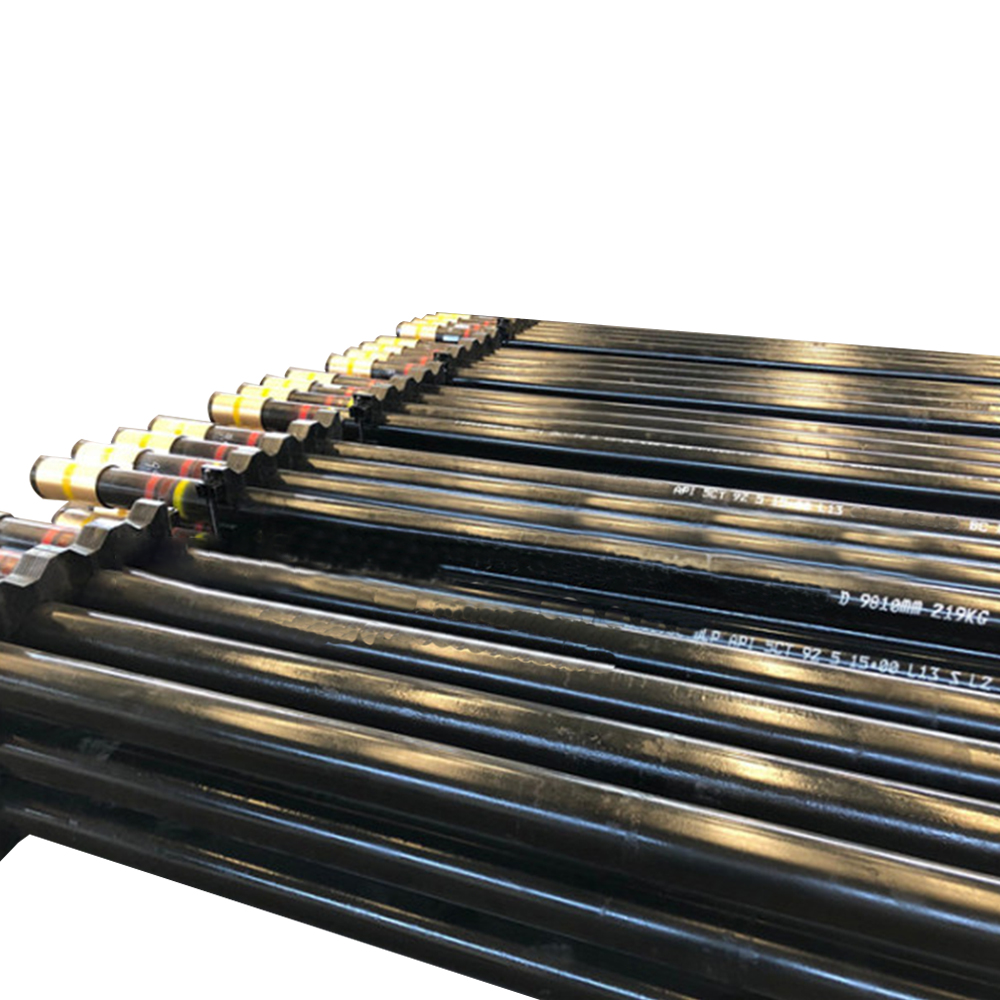
Tubing and casing threads are used in the drilling and production of oil and gas wells. Round threads, also known as API round threads, are the most common and are designed to withstand the high internal pressures found inside the well. They are characterized by their rounded roots and crests, which allow for a sturdy and secure connection, reducing the risk of Leakage.
Buttress threads, on the other hand, are designed for heavy Wall thickness pipes that are exposed to high axial loads, such as tHose found in deep and high-pressure wells. These threads have a triangular cross-section, with one side perpendicular to the pipe, which enables them to better resist the extreme forces present in these conditions.
Line pipe threads, the second broad category, are used for transporting oil, gas, and water from the well to processing facilities. There are two main types: API line pipe threads and dry-seal threads. API line pipe threads have a taper that allows for a tight seal, while dry-seal threads have a unique design that allows for a pressure-tight joint without the need for sealing compounds.
In addition to these, there are several specialized types of threads such as extreme-line casing threads, which have a modified buttress thread form for extreme service conditions, and integral-joint tubing threads, designed for small Diameter tubing where welded joints are unsuitable.
Understanding these different types of oilfield pipe threads and their unique characteristics is crucial in the oil and gas industry. The appropriate selection and application of these threads can significantly enhance the efficiency of drilling and production operations, while ensuring the safety of personnel and the environment.
In conclusion, oilfield pipe threads are a vital component in the oil and gas sector. By understanding the different types and their specific applications, one can better navigate the complexities of this industry, improving operations and maximizing productivity. Whether it’s the high-pressure conditions of a deep well or the transportation of oil and gas to processing facilities, there is a specific thread type designed to meet those needs.
api 5ct Q125 casing chinese Best wholesaler