Understanding the Importance of Casing Weight in Oil and Gas Industry
The oil and gas industry is a complex field that relies heavily on precision and accuracy. One of the critical aspects that require meticulous attention is the casing weight. This term may seem obscure to tHose outside the industry, but for those within, it is a fundamental component that can significantly impact the success of drilling operations.
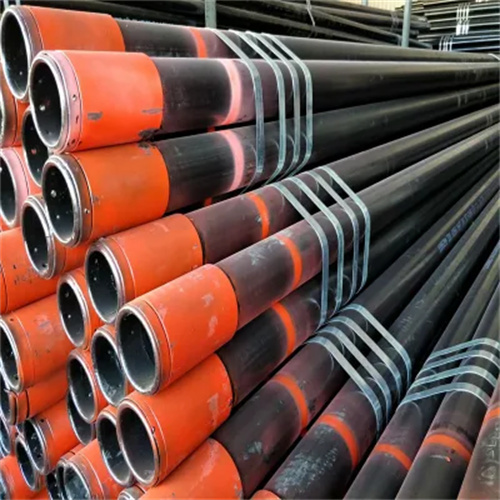
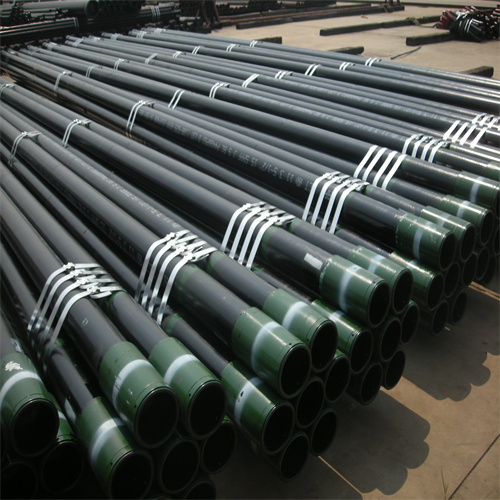
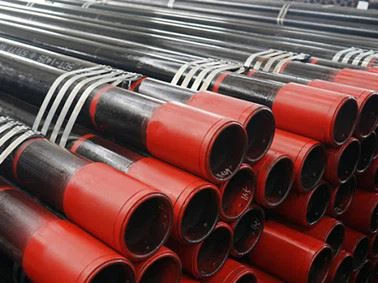
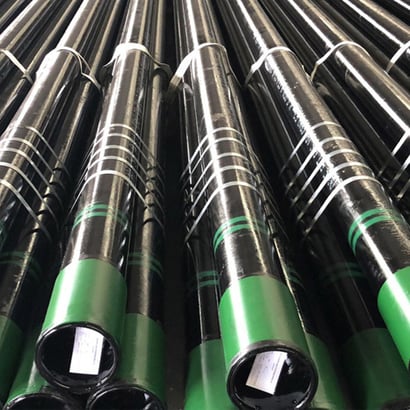
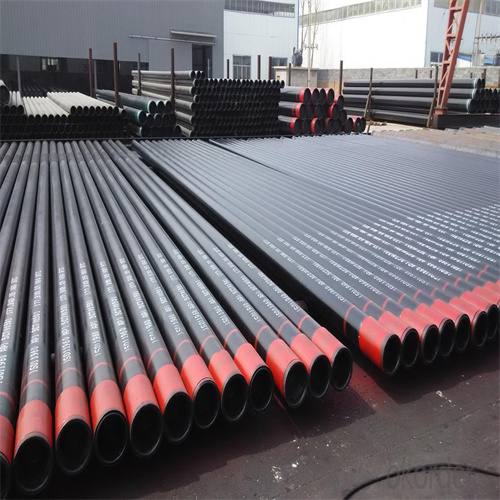
OCTG API 5L Gr B Gr. B 5CT 9th Edition Psl1 grade X52 X62 X65 X60 273mm 30 Inch Oil Seamless ERW Steel Pipeline Casing Tubing
Casing weight, in the simplest terms, refers to the weight per unit Length of the Casing Pipe used in drilling operations. It is typically measured in pounds per foot (ppf) and is a crucial factor in determining the strength and durability of the casing. The casing is the large-Diameter pipe that serves as the structural retainer for the walls of oil and gas wells. It prevents the well from collapsing and isolates different layers of formation to prevent the cross-flow of fluids.
The importance of casing weight cannot be overstated. It plays a pivotal role in the overall stability and safety of the drilling operation. A casing with an appropriate weight can withstand the high pressures encountered during drilling, thus preventing well blowouts. It also provides the necessary support to the wellbore, preventing it from collapsing under the weight of the surrounding earth.
Moreover, the casing weight is instrumental in determining the drilling fluid density. The drilling fluid, also known as drilling mud, is used to lubricate the drill bit, carry the cuttings to the surface, and maintain the pressure balance within the well. The density of this fluid must be carefully controlled to prevent formation damage and ensure the safe and efficient operation of the well. The casing weight directly influences this density, as a heavier casing requires a denser drilling fluid to balance the pressures.
Selecting the appropriate casing weight is a delicate balancing act. If the casing is too light, it may not withstand the pressures encountered during drilling, leading to catastrophic failures such as well blowouts or casing collapse. On the other hand, if the casing is too heavy, it can lead to unnecessary costs and complications. For instance, a heavier casing requires a more powerful rig to handle the increased weight, leading to higher operational costs. It also requires a denser drilling fluid, which can increase the risk of formation damage and reduce drilling efficiency.
casing pipe,casing well pipe, casing supreme pipe, casing vs carrier pipe, casing for ac pipe, casing steel pipe, casing pipe size, casing pvc pipe Price, casing pipe, casing pipe Suppliers in china, casing capping pipe, casing drill pipe,carrier pipe,casing pipe size,bushing flange,bushing Sleeve,bushing,bushing arm,bushing bearing,bushing reducer,bushing tool,bushing pvc,bushing meaningTherefore, determining the optimal casing weight is a critical task that requires careful consideration of various factors. These include the depth and diameter of the well, the expected pressures and temperatures, the characteristics of the formation, and the type of drilling fluid to be used. Advanced software tools are often used to perform these calculations and simulations, ensuring that the selected casing weight is both safe and cost-effective.
In conclusion, casing weight is a fundamental aspect of oil and gas drilling operations that significantly impacts their safety, efficiency, and cost. It is a testament to the complexity and precision required in the oil and gas industry, where even seemingly minor details can have far-reaching consequences. As such, understanding and correctly determining casing weight is a crucial skill for any professional in this field.