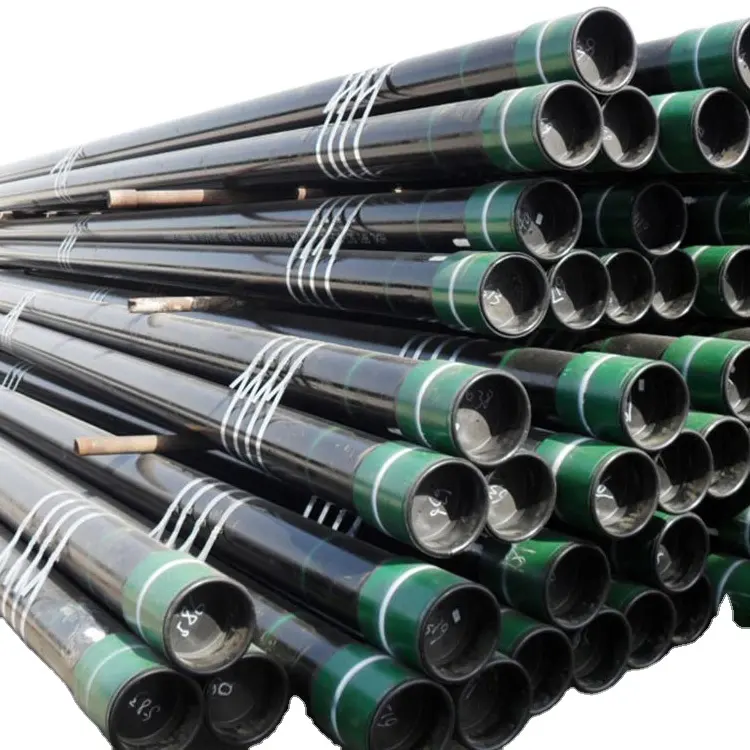
Importance of Adhering to Oil Casing Industry Codes and Standards
Understanding the technical environment for oil casing industry codes and standards is crucial for ensuring safety, reliability, and efficiency in the Oil and Gas sector. Adhering to these codes and standards is not just a regulatory requirement but a fundamental aspect of responsible operations in the industry. The codes and standards set the guidelines and best practices for designing, manufacturing, installing, and maintaining oil casing systems. By following these established norms, Companies can mitigate risks, prevent accidents, and uphold the integrity of their operations.
Oil casing industry codes and standards are developed by organizations such as the American Petroleum Institute ( API), the International Organization for Standardization (ISO), and the American Society of Mechanical Engineers (ASME). These organizations work collaboratively with industry experts to establish comprehensive frameworks that address various aspects of oil casing systems, including Material selection, design criteria, testing procedures, and quality control measures. Adhering to these standards ensures that oil casing components meet the necessary specifications for withstanding high pressures, corrosive environments, and other operational challenges.
One of the primary reasons for adhering to oil casing industry codes and standards is to enhance safety in oil and gas operations. Oil Wells operate under extreme conditions, and any failure in the casing system can lead to catastrophic consequences, including oil spills, well blowouts, and environmental damage. By following the prescribed standards, companies can minimize the likelihood of equipment failures and ensure the integrity of their wellbore structures. This proactive approach not only protects the environment but also safeguards the lives of workers and surrounding communities.
In addition to safety considerations, adhering to industry codes and standards also promotes operational efficiency and cost-effectiveness. Standardized practices streamline the design and manufacturing processes, making it easier for companies to procure components, conduct inspections, and maintain compliance with regulatory requirements. By adhering to established standards, companies can reduce downtime, improve productivity, and optimize their overall operational performance. Furthermore, adherence to industry standards enhances the reputation of companies within the oil and gas sector, demonstrating their commitment to quality and reliability.
Moreover, adhering to oil casing industry codes and standards is essential for ensuring global compatibility and interoperability. The oil and gas industry operates on a global scale, with companies collaborating across borders and jurisdictions. By following standardized practices, companies can ensure that their equipment and processes align with international norms, facilitating seamless operations and reducing barriers to entry in new markets. This harmonization of standards promotes consistency, transparency, and trust among industry stakeholders, fostering a more collaborative and sustainable oil and gas ecosystem.
In conclusion, understanding and adhering to oil casing industry codes and standards is paramount for ensuring the safety, reliability, and efficiency of oil and gas operations. By following established guidelines and best practices, companies can mitigate risks, enhance operational performance, and demonstrate their commitment to responsible stewardship of valuable resources. Adherence to industry standards not only benefits individual companies but also contributes to the overall sustainability and resilience of the oil and gas sector on a global scale.
Key Components of Technical Environment in Oil Casing Industry
The oil casing industry operates within a complex technical environment governed by a set of codes and standards that ensure safety, efficiency, and quality in operations. These regulations are crucial for maintaining the integrity of oil wells and preventing environmental hazards. Understanding the key components of this technical environment is essential for professionals working in the oil casing industry.
One of the fundamental aspects of the technical environment in the oil casing industry is the adherence to industry-specific codes and standards. These guidelines are developed by regulatory bodies and industry organizations to establish best practices for designing, installing, and operating Oil Well Casings. Compliance with these codes is mandatory to ensure that oil wells are constructed and maintained in a safe and reliable manner.
In addition to codes and standards, the technical environment of the oil casing industry also encompasses the use of advanced technologies and materials. innovations in materials science and engineering have led to the development of high-performance casing materials that can withstand extreme pressure, temperature, and corrosive environments. These materials play a critical role in ensuring the longevity and integrity of oil well casings.
oil Pipe chinese Best Company
Furthermore, the technical environment of the oil casing industry includes the use of sophisticated drilling and completion techniques. Modern drilling technologies, such as horizontal drilling and hydraulic fracturing, have revolutionized the oil and gas industry by enabling access to previously inaccessible reserves. These techniques require precise engineering and monitoring to ensure the successful installation and operation of oil well casings.
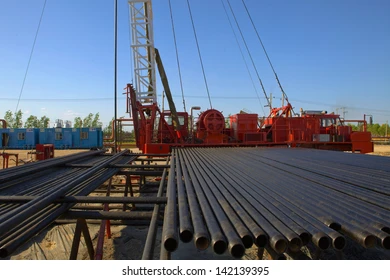
Another key component of the technical environment in the oil casing industry is the implementation of robust quality control and inspection processes. Quality control measures are essential for verifying the integrity of casing materials, welds, and Connections. Regular inspections help identify potential defects or weaknesses in the casing system, allowing for timely Repairs and Maintenance.
Moreover, the technical environment of the oil casing industry is influenced by environmental regulations and sustainability considerations. As the industry faces increasing scrutiny over its environmental impact, companies are under pressure to adopt eco-friendly practices and minimize their carbon footprint. This shift towards sustainability has led to the development of greener drilling technologies and practices in the oil casing industry.
In conclusion, the technical environment of the oil casing industry is a multifaceted landscape that encompasses codes and standards, advanced technologies, quality control processes, and environmental considerations. By understanding and adhering to these key components, professionals in the oil casing industry can ensure the safe and efficient operation of oil wells while mitigating environmental risks.