Importance of Digital Transformation in the Oil Casing Industry
The oil casing industry plays a crucial role in the global energy sector, providing the necessary infrastructure for oil extraction and production. In recent years, the industry has faced increasing pressure to adapt to changing market dynamics and technological advancements. One key aspect that has emerged as essential for the industry’s agility and responsiveness is digital transformation.
Digital transformation in the oil casing industry encompasses the integration of digital technologies to streamline operations, enhance efficiency, and improve decision-making processes. By leveraging technologies such as IoT sensors, data analytics, and automation, Companies in the oil casing sector can optimize their processes and respond more effectively to market demands.
One of the primary benefits of digital transformation in the oil casing industry is improved operational efficiency. By digitizing manual processes and implementing automated systems, companies can reduce downtime, minimize errors, and increase overall productivity. This efficiency gain not only translates to cost savings but also enables companies to deliver products and services more quickly to meet customer demands.
Furthermore, digital transformation enables real-time monitoring and data analysis, providing companies with valuable insights into their operations. By collecting and analyzing data from various sources, companies can identify trends, predict Maintenance needs, and make informed decisions to optimize their processes. This data-driven approach not only enhances operational efficiency but also enables companies to proactively address issues before they escalate.
In addition to operational benefits, digital transformation also plays a crucial role in enhancing safety and compliance in the oil casing industry. By implementing IoT sensors and monitoring systems, companies can track environmental conditions, equipment performance, and worker safety in real-time. This proactive approach to safety not only minimizes the risk of accidents but also ensures compliance with industry regulations and standards.
Moreover, digital transformation fosters innovation and agility within the oil casing industry. By embracing new technologies and digital solutions, companies can adapt quickly to changing market conditions, explore new business models, and stay ahead of the competition. This agility is essential in a r APIdly evolving industry where companies must continuously innovate to remain competitive.
Overall, digital transformation is not just a technological upgrade for the oil casing industry; it is a strategic imperative for companies looking to enhance their agility and responsiveness in a dynamic market environment. By embracing digital technologies and leveraging data-driven insights, companies can optimize their operations, improve safety standards, foster innovation, and ultimately position themselves for long-term success in the industry.
Leveraging IoT and Automation for Enhanced Agility in Oil Casing Operations
The oil casing industry operates within a dynamic and challenging technical environment that demands agility and responsiveness to meet the ever-changing market demands. In this context, leveraging the Internet of Things (IoT) and automation technologies has become crucial for enhancing operational efficiency and flexibility in oil casing operations.
IoT plays a pivotal role in transforming traditional oil casing operations by enabling real-time monitoring and control of critical processes. Through the deployment of IoT sensors and devices, companies can gather valuable data on various aspects of casing operations, such as temperature, pressure, and flow rates. This data can then be analyzed to optimize production processes, identify potential issues proactively, and make informed decisions to improve overall operational efficiency.
 Automation technologies further complement the benefits of IoT by streamlining repetitive tasks and enhancing the accuracy and speed of operations. Automated systems can perform tasks such as casing assembly, quality control inspections, and inventory management with precision and consistency, reducing the risk of human error and increasing productivity. By integrating IoT and automation technologies, oil casing companies can achieve a higher level of operational agility and responsiveness to market fluctuations and customer demands.
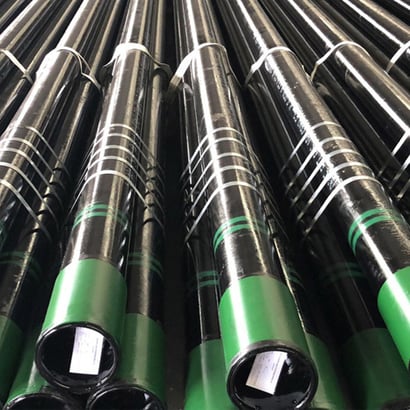
Casing Pipe china good Supplier
One of the key advantages of leveraging IoT and automation in oil casing operations is the ability to create a connected ecosystem where different components of the production process communicate and interact seamlessly. This interconnected network enables real-time data sharing and collaboration between various stakeholders, including Suppliers, Manufacturers, and customers, leading to improved coordination and decision-making across the supply chain.
Moreover, IoT and automation technologies enable predictive maintenance strategies that help prevent equipment failures and downtime. By monitoring the condition of machinery and equipment in real time, companies can detect potential issues early on and schedule maintenance activities proactively, minimizing disruptions to production schedules and reducing maintenance costs in the long run.
In addition to operational benefits, the adoption of IoT and automation in oil casing operations also contributes to environmental sustainability and safety. By optimizing processes and reducing energy consumption through smart technologies, companies can minimize their carbon footprint and comply with stringent environmental regulations. Furthermore, automation helps enhance workplace safety by automating hazardous tasks and reducing the exposure of workers to risky environments.
Overall, the integration of IoT and automation technologies is essential for oil casing companies looking to enhance their agility and responsiveness in a competitive market landscape. By embracing digital transformation and investing in smart technologies, companies can unlock new opportunities for innovation, efficiency, and sustainability in their operations, ultimately driving growth and success in the industry.