Benefits of Using Advanced Casing Technologies in Oil Extraction
Unlock the Superb Potential of Advanced Casing Technologies in Oil Extraction
In the ever-evolving landscape of oil extraction, technological advancements contiNue to play a pivotal role in enhancing efficiency, sustainability, and overall productivity. Among these innovations, advanced casing technologies stand out as a cornerstone for optimizing operations in the oil industry. Casing, traditionally used to line the wellbore and stabilize the surrounding geological formations, has undergone significant upgrades to meet the demands of modern extraction techniques.
One of the primary benefits of advanced casing technologies lies in their ability to improve well integrity. By utilizing high-strength Materials and advanced manufacturing techniques, modern casings offer superior resistance to corrosion, pressure, and mechanical stresses. This enhanced durability not only extends the lifespan of wells but also minimizes the risk of leaks and failures, thereby ensuring safer and more reliable operations.
Furthermore, advanced casings contribute to optimizing reservoir management. They facilitate better control over fluid flow and pressure gradients within the well, which is crucial for maximizing production rates and minimizing operational costs. This capability is particularly advantageous in unconventional reservoirs where complex geological conditions demand precise engineering solutions.
Moreover, the integration of advanced casing technologies enables operators to enhance reservoir monitoring and data acquisition. Innovative casing designs incorporate sensors and monitoring devices that provide real-time data on well conditions, production rates, and environmental factors. This continuous feedback loop empowers decision-Makers to implement proactive Maintenance strategies and operational adjustments, leading to improved efficiency and reduced downtime.
In addition to operational benefits, advanced casing technologies also support environmental sustainability efforts within the oil industry. By reducing the incidence of leaks and spills, these technologies help mitigate environmental risks associated with oil extraction. Furthermore, advancements in casing materials and design contribute to minimizing the industry’s overall environmental footprint by optimizing resource utilization and reducing waste generation.
Another critical aspect of advanced casing technologies is their role in supporting enhanced oil recovery (EOR) techniques. By creating a more stable and controlled well environment, these technologies facilitate the implementation of EOR methods such as hydraulic fracturing and steam injection. This capability not only increases the overall recovery factor of reservoirs but also enables operators to extract oil from previously inaccessible formations.
Beyond technical advancements, the adoption of advanced casing technologies fosters innovation and collaboration within the Oil and Gas sector. Manufacturers, service providers, and operators continually collaborate to develop and deploy cutting-edge solutions that address the evolving challenges of oil extraction. This collaborative approach not only drives technological progress but also fosters a culture of continuous improvement and knowledge sharing across the industry.
Looking ahead, the future of oil extraction will undoubtedly be shaped by ongoing advancements in casing technologies. As the global demand for energy continues to rise, the role of advanced casings in enabling efficient, sustainable, and responsible oil extraction practices will become increasingly crucial. By unlocking the superb potential of advanced casing technologies, the industry can achieve greater operational efficiency, environmental stewardship, and economic viability in the years to come.
In conclusion, the benefits of using advanced casing technologies in oil extraction are multifaceted and far-reaching. From enhancing well integrity and reservoir management to supporting environmental sustainability and enabling enhanced oil recovery, these technologies represent a cornerstone of innovation in the oil and gas industry. As stakeholders continue to invest in research, development, and deployment of advanced casings, they pave the way for a more resilient and efficient future of oil extraction on a global scale.
How Innovative Casing Designs Can Optimize Oil Recovery
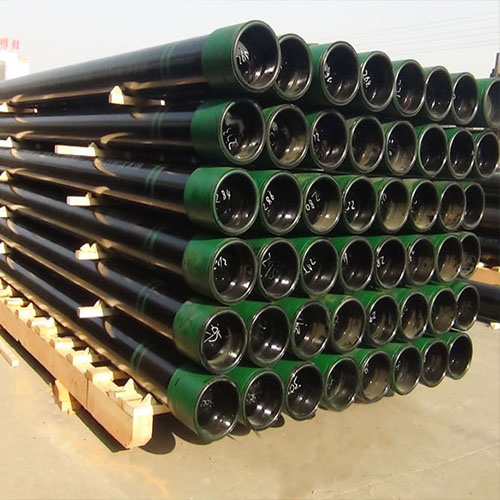
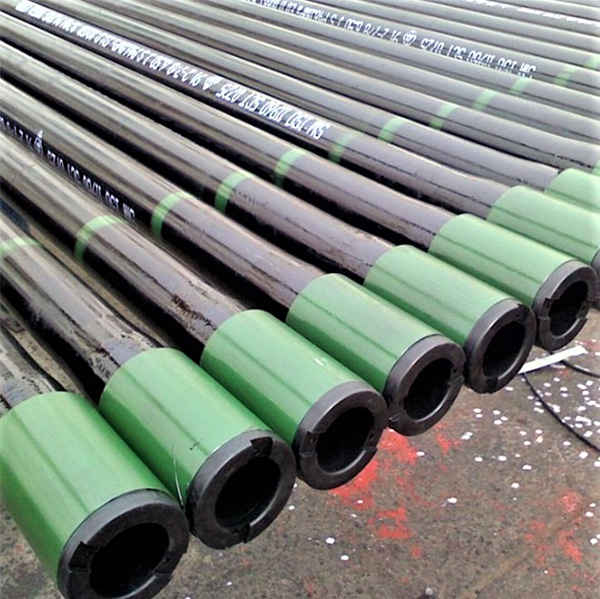
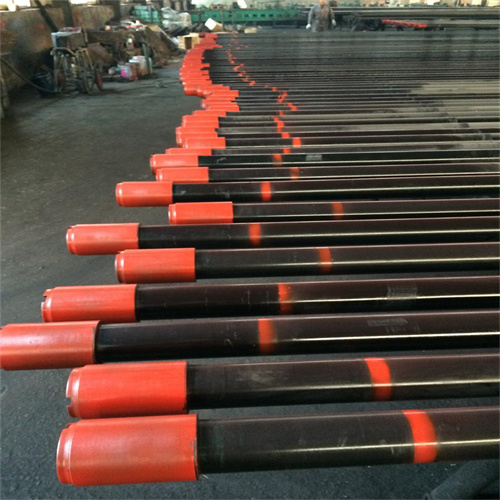
Unlock the superb potential of this casing for oil extraction.
In the world of oil extraction, innovation continues to drive efficiency and sustainability. One of the critical components in this process is the design and implementation of Well Casings. Traditionally seen as a structural element to support the borehole, modern casing designs are now recognized for their pivotal role in optimizing oil recovery.
The primary function of casing is to maintain the integrity of the wellbore, ensuring safety and stability. However, recent advancements have expanded its role to include enhancing production efficiency and maximizing recovery rates. Innovative casing designs achieve this by integrating advanced materials and engineering principles tailored to specific geological formations and operational conditions.
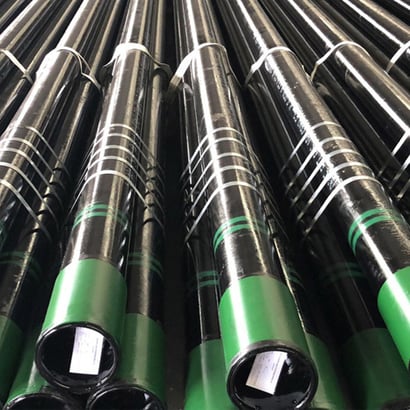
Casing Pipe chinese high-quality CompanyOne notable innovation in casing design is the implementation of intelligent materials. These materials possess properties that respond dynamically to downhole conditions, such as temperature and pressure. By adapting to these variables, intelligent casings can improve Sealing capabilities and enhance reservoir management. This adaptability not only prolongs the operational lifespan of the well but also contributes to sustainable resource utilization.
Furthermore, the geometry of casing designs has evolved to optimize oil recovery. Enhanced geometry, such as slotted or expandable casings, allows for increased contact area with the reservoir. This maximizes the flow of hydrocarbons into the wellbore while minimizing unwanted fluids or gas ingress. The result is a more efficient extraction process that reduces operational costs and environmental impact.
Moreover, the integration of advanced sensors and monitoring systems into casing designs has revolutionized data acquisition and analysis. Real-time data from downhole sensors provide invaluable insights into reservoir dynamics, fluid behavior, and well performance. This real-time monitoring enables operators to make informed decisions promptly, optimizing production strategies and mitigating potential risks.
Another significant development is the use of nanotechnology in casing materials. Nanocomposite coatings applied to casings can enhance Corrosion resistance, improve mechanical strength, and even facilitate selective permeability. These coatings create a protective barrier against corrosive fluids and gases, thereby extending the lifespan of the casing and maintaining operational integrity.
In addition to technological advancements, innovative casing designs also prioritize environmental stewardship. By reducing the environmental footprint of oil extraction operations, these designs align with global sustainability goals. Improved efficiency means fewer wells are needed to achieve production targets, minimizing surface disruption and habitat fragmentation.
The future of casing design in oil extraction holds promise for further innovation. Research and development efforts continue to focus on enhancing reliability, scalability, and cost-effectiveness. Collaborations between industry leaders, research institutions, and technology providers drive these advancements forward, aiming to address current challenges and anticipate future needs in the energy sector.
In conclusion, innovative casing designs represent a cornerstone of modern oil extraction practices. Beyond their traditional role as structural components, these designs leverage advanced materials, intelligent systems, and environmental considerations to optimize oil recovery. By enhancing efficiency, maximizing reservoir potential, and minimizing environmental impact, these innovations contribute to a sustainable and resilient energy future.
As the oil and gas industry evolves, so too will the role of casing designs in sh APIng its future. Continued innovation and integration of cutting-edge technologies will unlock new possibilities for maximizing resource recovery while advancing environmental responsibility. Embracing these advancements ensures that the potential of casing for oil extraction is fully realized in a manner that benefits both industry and society at large.