Sure, here are two blog topics about types of Oil Casing:
Types of Oil Casing
Oil Casing Pipe ManufacturerWhen it comes to the Oil and Gas industry, The use of oil casing plays a crucial role in the drilling and extraction processes. Oil casing, also known as Well Casing, is a tubular structure that is used to line the wellbore and protect it from any potential damage. It provides structural integrity to the well and prevents the collapse of the surrounding formations. In this article, we will delve into the different types of oil casing and their respective applications.
Firstly, let us explore the most commonly used type of oil casing, known as the surface casing. This casing is typically the first layer of protection that is installed during the drilling process. It is designed to withstand the pressure and Weight of the drilling mud and provides support to the wellbore. Surface casing is usually made of Steel and is installed to a certain depth to isolate the shallow formations and prevent any potential contamination of groundwater.
Next, we have the intermediate casing. As the name suggests, this casing is installed between the surface casing and the production casing. Its primary purpose is to provide additional support to the wellbore and protect it from any potential formation collapse. The intermediate casing is generally subjected to higher pressures and temperatures compared to the surface casing. It is also made of steel and is designed to withstand the challenging downhole conditions.
Moving on, we come to the production casing. This casing is installed after the drilling process is complete, and it is used to facilitate the extraction of oil or gas from the reservoir. The production casing is responsible for maintaining well integrity and preventing any potential leaks or collapses. It is designed to handle the pressure and temperature conditions of the reservoir, ensuring a safe and efficient production process. The production casing is usually made of high-strength steel to withstand the demanding downhole environment.
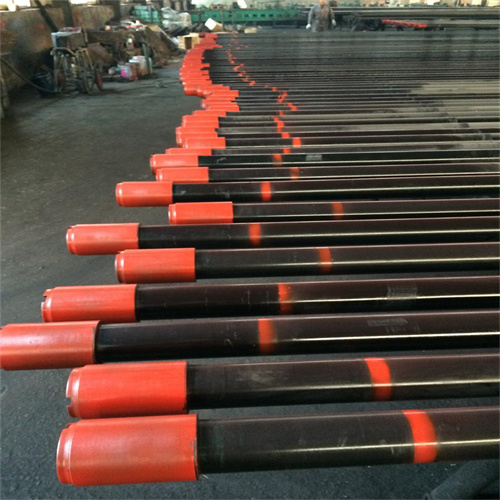
In addition to the aforementioned types of oil casing, there are also specialized casings used in specific drilling situations. For instance, liner casing is a shorter Length of casing that is used to line a section of the wellbore, typically when the well is deviated or horizontal. It provides additional support to the wellbore and helps in maintaining proper wellbore integrity.
casing pipe,casing well pipe, casing supreme pipe, casing vs carrier pipe, casing for ac pipe, casing Steel Pipe, casing pipe size, casing pvc pipe Price, casing pipe, casing pipe Suppliers in china, casing capping pipe, casing drill pipe,carrier pipe,casing pipe size,bushing flange,bushing Sleeve,bushing,bushing arm,bushing bearing,bushing reducer,bushing tool,bushing pvc,bushing meaning
Furthermore, expandable casing is an innovative type of casing that can expand once it is deployed downhole. This casing is particularly useful in situations where it is challenging to run a conventional Casing string. It offers flexibility and adaptability, allowing for efficient well Construction and Maintenance.
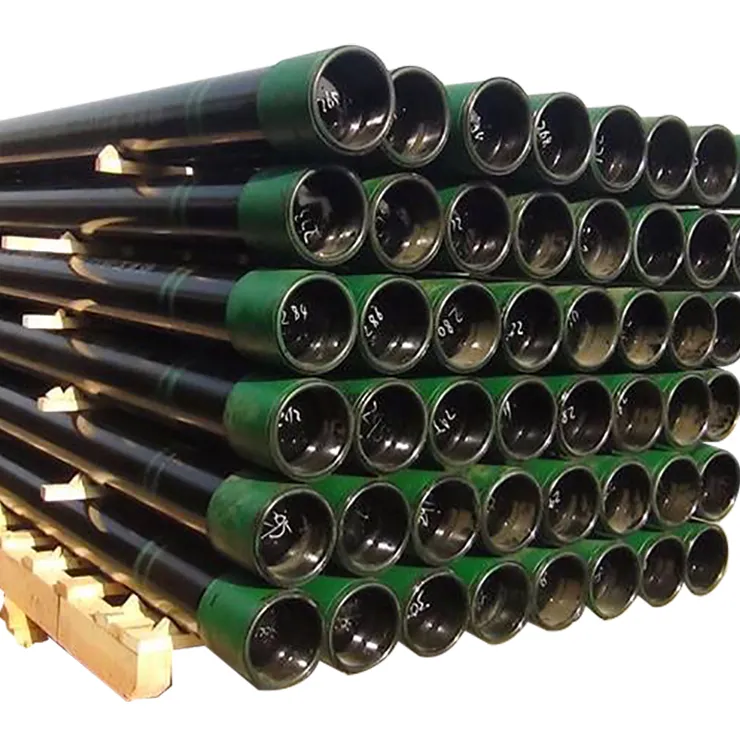 Lastly, we have the conductor casing, which is the largest Diameter casing used in the well. It is installed at the beginning of the drilling process to provide stability and support to the wellbore. The conductor casing is also
The Importance of Choosing the Right Oil casing type:
Oil casing is an essential component in the drilling and extraction of oil and gas from wells. It serves various crucial purposes, including providing structural support to the wellbore, isolating the oil and gas reservoir from surrounding formations, and facilitating the efficient and safe extraction of hydrocarbons. When it comes to choosing the right oil casing type, several factors need to be considered to ensure the successful and cost-effective operation of the well.
One of the most important considerations when selecting an oil casing type is the downhole environment in which the casing will be deployed. Different geological formations and well conditions demand different properties from the casing Material. For example, in wells with high-pressure reservoirs, the casing material must possess high tensile strength and resistance to collapse to withstand the immense pressures exerted by the formation. In corrosive environments, such as tHose containing high levels of hydrogen sulfide or carbon dioxide, corrosion-resistant casing materials are essential to ensure the longevity and integrity of the well.
Furthermore, the depth of the well and the anticipated depth of the oil or gas reservoir influence the choice of casing type. Deeper wells and reservoirs subjected to higher temperatures and pressures require casing materials with superior mechanical properties and thermal resistance. Additionally, the diameter of the casing must be selected based on the well design and production requirements, ensuring that it accommodates the necessary downhole equipment and allows for efficient oil and gas production.
Another critical aspect of choosing the right oil casing type is considering the well completion and production techniques that will be employed. For instance, in wells requiring hydraulic fracturing to enhance production, the casing material must be able to withstand the stresses and strains associated with the fracturing process. Similarly, in wells where sand control measures are necessary, the casing type and design should facilitate the installation of sand screens and liners to prevent sand influx into the wellbore.
Moreover, factors such as regulatory requirements, environmental considerations, and economic feasibility play a significant role in determining the appropriate oil casing type. Compliance with industry standards and government regulations is imperative to ensure the safety and environmental sustainability of the well operations. Additionally, the cost-effectiveness of the selected casing type, including considerations of material and installation costs, as well as the expected lifespan of the casing, is crucial in optimizing the overall economics of the well.
In conclusion, the importance of choosing the right oil casing type cannot be overstated, as it directly impacts the safety, efficiency, and profitability of oil and gas operations. By carefully evaluating the downhole environment, well conditions, production techniques, and economic factors, operators can make informed decisions regarding the selection of casing materials and designs that best suit the specific requirements of each well. Ultimately, the