Importance of Proper Water Well Casing and Screen Selection:
Water Well Casing And Screen Selection
Steel piping Best china ManufacturerWater well casing and screen selection are crucial aspects of designing a successful water well system. Proper selection of casing and screens ensures the efficiency, longevity, and quality of the well. In this article, we will delve into the importance of these components in water well Construction.

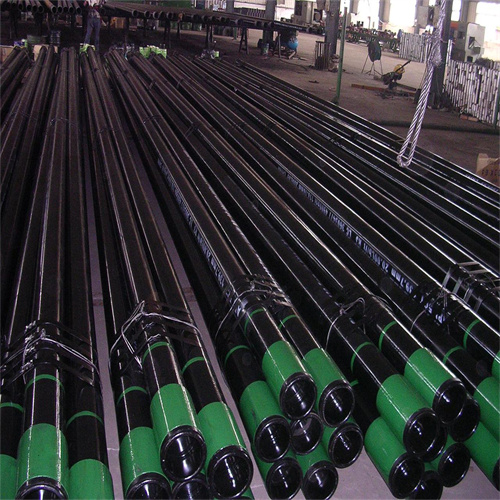
Casing serves as the structural backbone of the well, providing support and protection to the borehole. It prevents the collapse of the well hole and keeps out contaminants from entering the well. Casing also helps maintain the integrity of the well by preventing the formation from caving in. The Material used for casing should be durable, corrosion-resistant, and able to withstand the geological conditions of the well site.
When selecting casing, factors such as Diameter, thickness, and material composition must be considered. The diameter of the casing should be large enough to accommodate the Pump and other downhole equipment while providing sufficient clearance for water flow. The thickness of the casing is determined by the depth of the well and the pressure it needs to withstand. Common materials used for casing include steel, PVC, and fiberglass, each with its own advantages and limitations.
Screens are essential components of water well systems that allow water to flow into the well while keeping out sand, gravel, and other debris. Screens are typically made of Stainless Steel or PVC and are designed with slots or perforations to filter out unwanted particles. The size and design of the screen slots are critical in preventing clogging and ensuring optimal water flow.
Proper screen selection is vital to prevent sand pumping, which can lead to well failure and decreased water quality. Screens with the right slot size prevent the entry of fine particles while allowing water to flow freely. The slot size should be carefully matched to the formation’s grain size distribution to maximize well productivity and longevity.
In addition to casing and screen selection, proper installation techniques are essential for the success of a water well system. Casing should be carefully cemented in place to prevent groundwater contamination and ensure structural stability. Screens should be properly sized and positioned to maximize water production and minimize Maintenance requirements.
Regular maintenance and inspection of casing and screens are also crucial to ensure the contiNued performance of the well. Over time, screens may become clogged with sediment or mineral deposits, reducing water flow and efficiency. Periodic cleaning and maintenance can help prevent these issues and prolong the life of the well.
In conclusion, proper water well casing and screen selection are fundamental to the success of a water well system. By carefully considering factors such as material, diameter, thickness, and slot size, well designers can ensure the efficiency, longevity, and quality of the well. Regular maintenance and inspection further contribute to the optimal performance of the well, providing a reliable source of clean water for years to come.
– Discuss the critical role of water well casing and screens in ensuring the efficiency and longevity of a well
Water Well Casing And Screen Selection
Water well casing and screens play a crucial role in the efficiency and longevity of a well. The selection of appropriate casing and screens is essential to ensure the proper functioning of the well and the quality of the water extracted. Casing and screens are key components that protect the well from external contaminants, provide structural support, and allow for the efficient extraction of water from the aquifer.
Casing is a Pipe that is inserted into the drilled well hole to prevent the collapse of the wellbore and to protect the well from external contaminants. It also helps to maintain the integrity of the well structure and prevents the entry of unwanted materials into the well. Casing is typically made of steel, PVC, or other materials that are resistant to corrosion and can withstand the pressure of the surrounding sOil and rock formations.
The selection of the appropriate casing material depends on various factors such as the depth of the well, the type of soil and rock formations, and the quality of the water source. steel casing is commonly used for deep wells where high strength and durability are required. PVC casing, on the other hand, is lightWeight, easy to install, and resistant to corrosion, making it suitable for shallow wells and areas with corrosive water.
Screens are another essential component of a well that allows water to flow into the well while preventing the entry of sand, gravel, and other debris. Screens are typically made of stainless steel or PVC and are designed with slots or openings of specific sizes to filter out unwanted materials while allowing water to pass through freely. The selection of the screen size and design is critical to ensure optimal water flow and prevent clogging.
The size and design of the screen depend on factors such as the grain size of the aquifer, the pumping rate of the well, and the desired water quality. Screens with smaller slots are used in fine-grained aquifers to prevent the entry of fine particles, while screens with larger slots are used in coarse-grained aquifers to maximize water flow. Proper screen selection is essential to prevent clogging, reduce maintenance costs, and ensure the long-term performance of the well.
In conclusion, water well casing and screen selection are critical aspects of well design that directly impact the efficiency and longevity of the well. By choosing the right casing material and screen design based on the specific characteristics of the well and aquifer, well owners can ensure reliable water supply, protect the well from external contaminants, and maximize the lifespan of the well. Proper installation, maintenance, and monitoring of casing and screens are essential to ensure the continued success of the well and the quality of the water extracted.