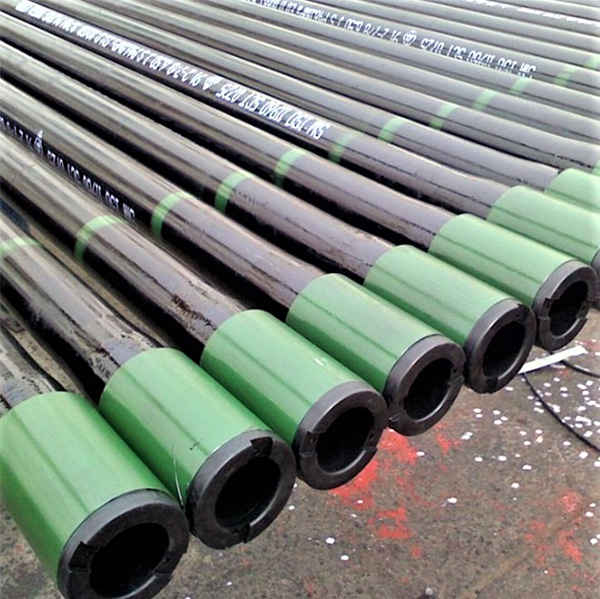
Oil Well Construction
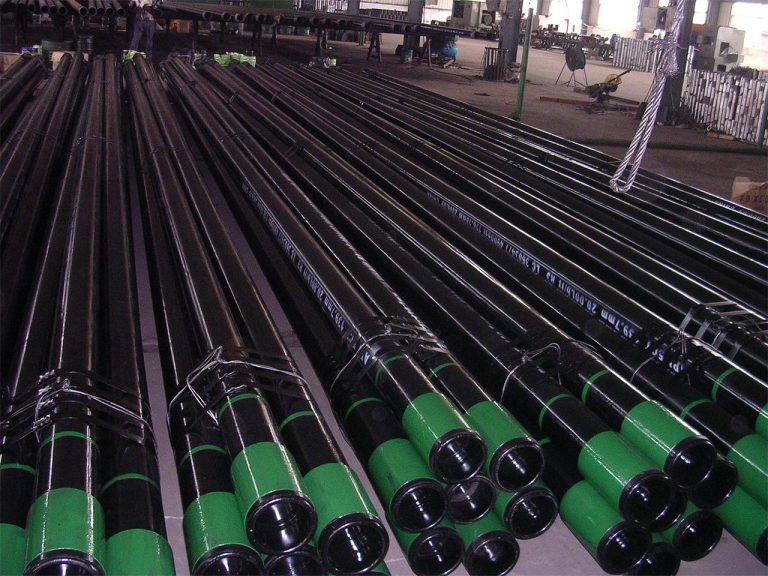
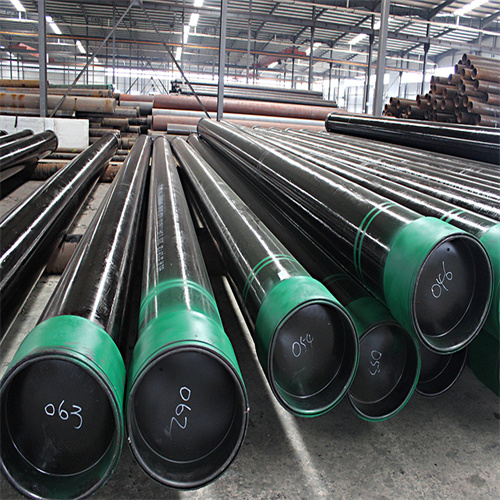
Oil Casing plays a crucial role in the construction of oil wells, serving as a protective barrier that ensures the integrity of the wellbore and the surrounding environment. The primary purpose of oil casing is to provide structural support to the well, preventing the collapse of the borehole and allowing for the safe extraction of hydrocarbons. As the drilling process progresses, various types of casing are employed, each designed to withstand specific pressures and conditions encountered at different depths. The initial phase of well construction typically involves the installation of surface casing, which is set at shallow depths to stabilize the upper section of the well. This casing not only protects the well from surface contaminants but also provides a foundation for subsequent drilling operations.
Once the surface casing is in place, the drilling contiNues deeper into the earth, where the conditions become increasingly challenging. At this stage, intermediate casing is often installed to manage the pressures and temperatures encountered in deeper formations. This type of casing is essential for isolating different geological layers, thereby preventing the migration of fluids between them. By maintaining the integrity of the wellbore, intermediate casing plays a vital role in ensuring the safety and efficiency of the drilling process. Furthermore, it helps to mitigate the risk of blowouts, which can occur when high-pressure formations are unexpectedly encountered.
As drilling reaches the target depth, production casing is installed to facilitate the extraction of Oil and Gas. This casing is designed to withstand the harsh conditions present in the production zone, including high pressures and corrosive environments. The production casing is equipped with perforations that allow hydrocarbons to flow into the wellbore while preventing the influx of unwanted fluids. This careful design is critical for optimizing production rates and ensuring the longevity of the well. Additionally, the use of cement to secure the casing in place further enhances the well’s stability and prevents the migration of fluids, thereby protecting both the well and the surrounding ecosystem.
In recent years, advancements in technology have led to the development of specialized casing Materials and designs that enhance the performance of oil wells. For instance, the introduction of composite and high-strength Steel casings has improved the ability to withstand extreme conditions, thereby extending the life of the well. Moreover, the use of advanced monitoring systems allows operators to track the integrity of the casing in real-time, enabling proactive Maintenance and reducing the risk of failures. These innovations not only enhance the efficiency of oil extraction but also contribute to safer drilling practices.
In conclusion, the application areas of oil casing in well construction are multifaceted and critical to the overall success of oil and gas operations. From surface casing that stabilizes the upper sections of the well to production casing that facilitates the extraction of hydrocarbons, each type of casing serves a specific purpose in ensuring the safety and efficiency of the drilling process. As technology continues to evolve, the industry is likely to see further advancements in casing materials and designs, which will enhance the performance and sustainability of oil wells. Ultimately, the effective use of oil casing is essential for the responsible development of energy resources, balancing the need for production with environmental protection.
well integrity Management
Oil casing plays a crucial role in the oil and gas industry, particularly in the context of well integrity management. Well integrity management refers to the systematic approach to ensuring that a well is constructed, maintained, and operated in a manner that prevents the uncontrolled release of fluids from the wellbore. This is essential not only for the safety of operations but also for environmental protection and regulatory compliance. The application areas of oil casing are diverse, and understanding these areas is vital for effective well integrity management.
One of the primary applications of oil casing is to provide structural support to the wellbore. The casing acts as a barrier that stabilizes the well, preventing the collapse of the surrounding rock formations. This structural integrity is particularly important in high-pressure environments where the risk of wellbore failure is significant. By maintaining the integrity of the wellbore, oil casing helps to ensure that the well can be safely drilled and completed, thereby facilitating the extraction of hydrocarbons.
In addition to providing structural support, oil casing also serves as a barrier to prevent the migration of fluids between different geological formations. This is critical in preventing the contamination of freshwater aquifers and other sensitive environments. The casing is designed to withstand various pressures and temperatures, ensuring that it remains intact throughout the life of the well. This capability is essential for maintaining well integrity, as any failure in the casing could lead to the unintended release of hydrocarbons or other fluids, posing risks to both human health and the environment.
Another significant application of oil casing is in the context of pressure control. During drilling operations, it is essential to manage the pressures within the wellbore to prevent blowouts, which can occur when the pressure of the fluids in the well exceeds the pressure of the surrounding formations. Oil casing provides a means of controlling these pressures by allowing for the installation of blowout preventers and other pressure control equipment. This application is particularly important in deepwater drilling operations, where the risks associated with pressure management are heightened.
oil casing Best chinese ManufacturerFurthermore, oil casing is integral to the monitoring and maintenance of well integrity over time. Advanced technologies, such as casing inspection tools and monitoring systems, can be employed to assess the condition of the casing and detect any potential issues before they escalate into significant problems. Regular inspections and maintenance activities are essential for ensuring that the casing remains effective in its role as a barrier and support structure. This proactive approach to well integrity management not only enhances safety but also extends the operational life of the well.
Moreover, the application of oil casing extends to the realm of well abandonment. When a well reaches the end of its productive life, proper abandonment procedures must be followed to ensure that the well does not pose a risk to the environment. Oil casing plays a vital role in this process by providing a means of Sealing the wellbore and preventing the migration of fluids. This application is particularly important in regions where environmental regulations are stringent, as improper abandonment can lead to significant legal and financial repercussions.
In conclusion, the announced application areas of oil casing are multifaceted and play a pivotal role in well integrity management. From providing structural support and preventing fluid migration to enabling pressure control and facilitating monitoring, oil casing is essential for the safe and efficient operation of oil and gas wells. As the industry continues to evolve, the importance of effective well integrity management, supported by robust casing applications, will remain a critical focus for operators and regulators alike.
Environmental Protection Measures
Oil casing, a critical component in the oil and gas industry, serves multiple purposes, particularly in the context of environmental protection measures. As the demand for energy continues to rise, the need for responsible extraction practices has become increasingly paramount. The application areas of oil casing extend beyond mere structural support for wells; they play a vital role in safeguarding the environment from the potential hazards associated with oil extraction. One of the primary functions of oil casing is to prevent the contamination of groundwater resources. By providing a barrier between the wellbore and surrounding geological formations, oil casing helps to ensure that any fluids used in the extraction process do not migrate into aquifers, which are essential sources of drinking water. This protective measure is particularly crucial in regions where groundwater is the primary water source for local communities.
Moreover, oil casing contributes to the management of pressure within the wellbore. By maintaining the integrity of the well, casing prevents blowouts, which can lead to catastrophic spills and environmental disasters. The use of high-quality materials and advanced engineering techniques in the design of oil casing systems is essential to withstand the extreme conditions encountered during drilling and production. This focus on durability not only enhances operational safety but also minimizes the risk of environmental contamination. In addition to preventing groundwater pollution, oil casing systems are designed to manage the emissions of volatile organic compounds (VOCs) and other harmful gases that may be released during the extraction process. By containing these emissions within the wellbore, oil casing helps to reduce air pollution and its associated health risks for nearby populations. This aspect of environmental protection is increasingly important as regulatory agencies impose stricter limits on emissions from oil and gas operations.
Furthermore, the application of oil casing extends to the management of produced water, a byproduct of oil extraction that can pose significant environmental challenges if not handled properly. Oil casing systems are often equipped with features that facilitate the safe disposal or reinjection of produced water, thereby minimizing the risk of surface spills and soil contamination. This proactive approach to waste management reflects a growing recognition of the need for sustainable practices within the industry. The integration of advanced technologies, such as monitoring systems and sensors, into oil casing applications further enhances environmental protection measures. These technologies enable real-time monitoring of well conditions, allowing operators to detect potential issues before they escalate into serious problems. By leveraging data analytics and predictive modeling, Companies can optimize their operations while minimizing their environmental footprint.
In conclusion, the announced application areas of oil casing encompass a wide range of environmental protection measures that are essential for responsible oil extraction. From preventing groundwater contamination to managing emissions and produced water, oil casing plays a pivotal role in safeguarding the environment. As the industry continues to evolve, the emphasis on sustainable practices and innovative technologies will likely drive further advancements in oil casing applications. This commitment to environmental stewardship not only benefits the ecosystems surrounding oil operations but also fosters trust and accountability within the communities affected by these activities. Ultimately, the effective use of oil casing is a critical component in the pursuit of a more sustainable and responsible energy future.