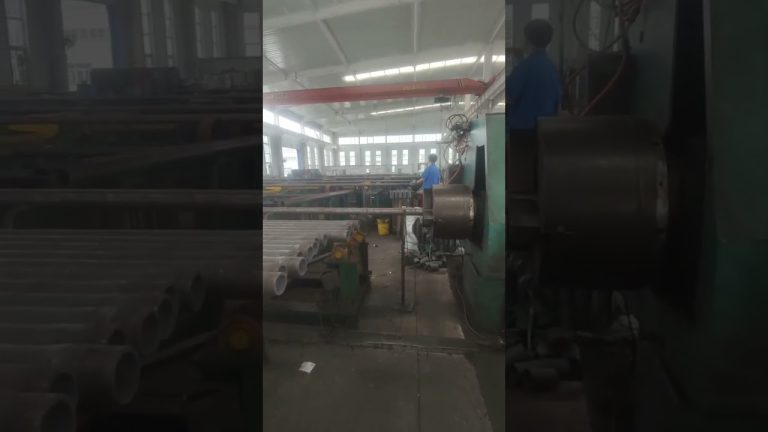
Ujenzi wa Kisima cha Mafuta
well integrity Management
Hatua za Ulinzi wa Mazingira
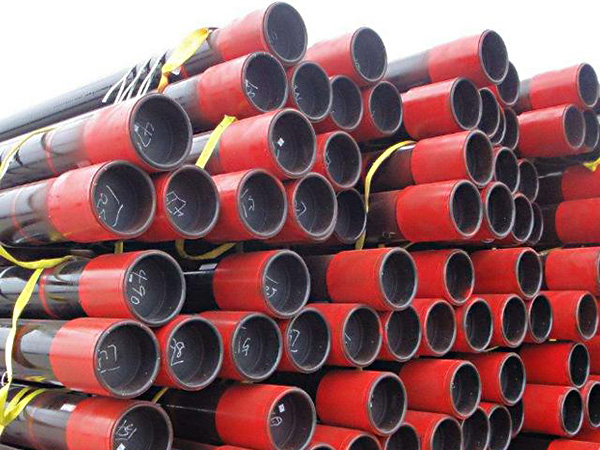
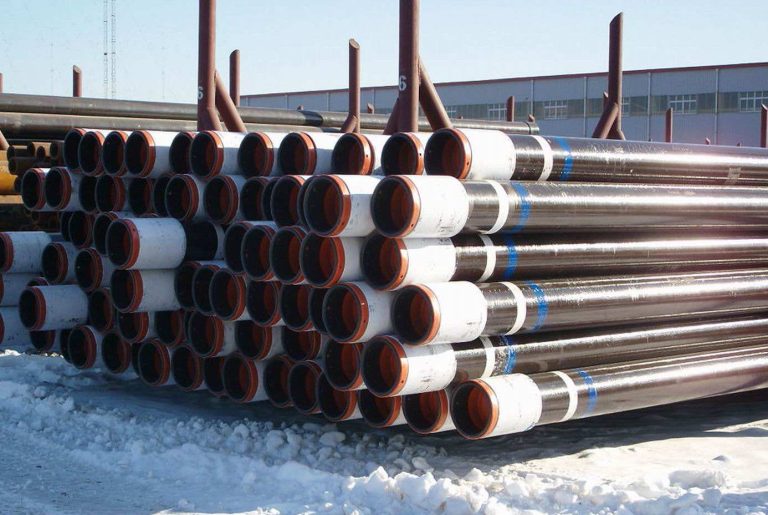
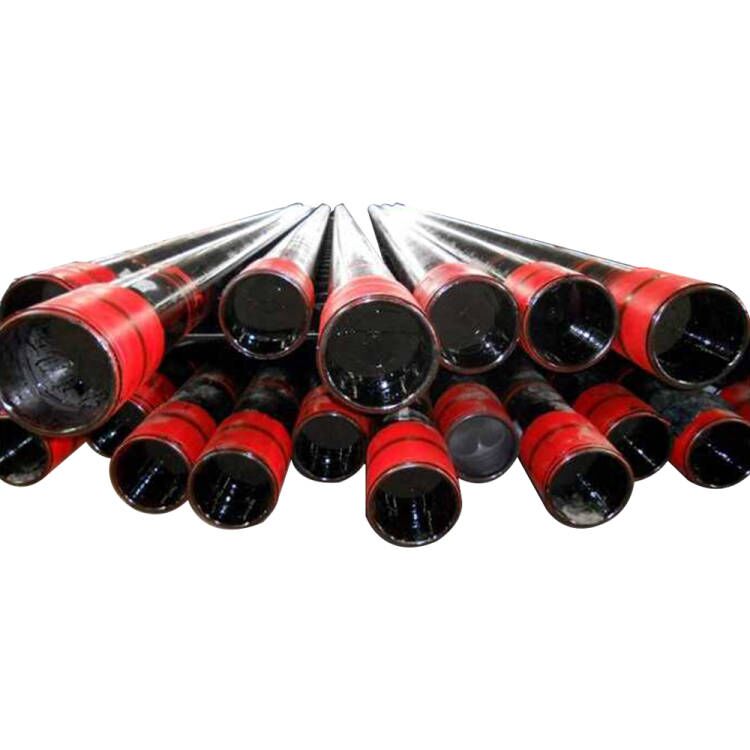
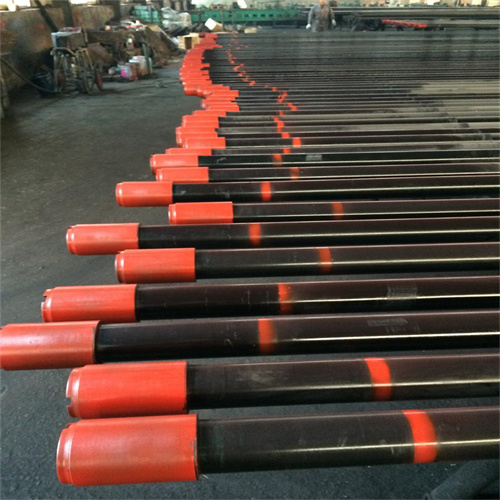
Kabati la mafuta, sehemu muhimu katika tasnia ya mafuta na gesi, hutumika kwa madhumuni mengi, haswa katika muktadha wa hatua za ulinzi wa mazingira. Kadiri mahitaji ya nishati yanavyozidi kuongezeka, hitaji la mbinu zinazowajibika za uchimbaji limezidi kuwa muhimu. Maeneo ya matumizi ya Casing ya mafuta yanaenea zaidi ya msaada wa miundo kwa visima; zina jukumu muhimu katika kulinda mazingira kutokana na hatari zinazoweza kuhusishwa na uchimbaji wa mafuta. Moja ya kazi za msingi za casing ya mafuta ni kuzuia uchafuzi wa rasilimali za chini ya ardhi. Kwa kutoa kizuizi kati ya kisima na miundo ya kijiolojia inayozunguka, uwekaji wa mafuta husaidia kuhakikisha kuwa maji yoyote yanayotumika katika mchakato wa uchimbaji hayahamishi ndani ya vyanzo vya maji, ambavyo ni vyanzo muhimu vya maji ya kunywa. Hatua hii ya ulinzi ni muhimu sana katika maeneo ambayo maji ya chini ya ardhi ndio chanzo kikuu cha maji kwa jamii za wenyeji.
Aidha, mkusanyiko wa mafuta huchangia kudhibiti shinikizo ndani ya kisima. Kwa kudumisha uadilifu wa kisima, casing huzuia milipuko, ambayo inaweza kusababisha kumwagika kwa maafa na majanga ya mazingira. Matumizi ya vifaa vya hali ya juu na mbinu za uhandisi za hali ya juu katika muundo wa mifumo ya casing ya mafuta ni muhimu ili kuhimili hali mbaya iliyopatikana wakati wa kuchimba visima na uzalishaji. Kuzingatia huku kwa uimara sio tu huongeza usalama wa utendaji kazi lakini pia hupunguza hatari ya uchafuzi wa mazingira. Kando na kuzuia uchafuzi wa maji chini ya ardhi, mifumo ya kabati ya mafuta imeundwa kudhibiti utoaji wa misombo ya kikaboni tete (VOCs) na gesi zingine hatari ambazo zinaweza kutolewa wakati wa mchakato wa uchimbaji. Kwa kuwa na uzalishaji huu ndani ya kisima, mfuko wa mafuta husaidia kupunguza uchafuzi wa hewa na hatari zake za kiafya zinazohusiana na watu walio karibu. Kipengele hiki cha ulinzi wa mazingira kinazidi kuwa muhimu huku mashirika ya udhibiti yanaweka vikwazo vikali zaidi vya utoaji wa hewa chafu kutoka kwa shughuli za mafuta na gesi.
Zaidi ya hayo, matumizi ya mfuko wa mafuta yanaenea hadi kwenye usimamizi wa maji yanayozalishwa, matokeo ya uchimbaji wa mafuta ambayo yanaweza kuleta changamoto kubwa za kimazingira. ikiwa haijashughulikiwa ipasavyo. Mifumo ya kabati ya mafuta mara nyingi huwa na vipengele vinavyowezesha utupaji salama au utupaji upya wa maji yanayozalishwa, na hivyo kupunguza hatari ya kumwagika kwa uso na uchafuzi wa udongo. Mbinu hii makini ya usimamizi wa taka inaonyesha kukua kwa utambuzi wa hitaji la mazoea endelevu ndani ya tasnia. Ujumuishaji wa teknolojia za hali ya juu, kama vile mifumo ya ufuatiliaji na vitambuzi, katika utumizi wa kabati la mafuta huongeza zaidi hatua za ulinzi wa mazingira. Teknolojia hizi huwezesha ufuatiliaji wa wakati halisi wa hali ya visima, kuruhusu waendeshaji kugundua masuala yanayoweza kutokea kabla ya kuzidi kuwa matatizo makubwa. Kwa kutumia uchanganuzi wa data na uundaji wa utabiri, kampuni zinaweza kuboresha shughuli zao huku zikipunguza kiwango chao cha mazingira.
Kwa kumalizia, maeneo ya utumaji yaliyotangazwa ya kifuko cha mafuta yanajumuisha hatua mbalimbali za ulinzi wa mazingira ambazo ni muhimu kwa uchimbaji wa mafuta unaowajibika. Kuanzia kuzuia uchafuzi wa maji ya ardhini hadi kudhibiti uzalishaji na maji yanayotengenezwa, kabati la mafuta lina jukumu muhimu katika kulinda mazingira. Kadiri tasnia inavyoendelea kubadilika, msisitizo juu ya mazoea endelevu na teknolojia bunifu itasababisha maendeleo zaidi katika utumiaji wa kabati la mafuta. Ahadi hii ya utunzaji wa mazingira haifaidi tu mifumo ikolojia inayozunguka shughuli za mafuta bali pia inakuza uaminifu na uwajibikaji ndani ya jamii zinazoathiriwa na shughuli hizi. Hatimaye, matumizi bora ya kabati la mafuta ni sehemu muhimu katika kutafuta nishati endelevu na inayowajibika zaidi ya siku zijazo.
Oil Casing plays a crucial role in the Oil and Gas industry, particularly in the context of well integrity management. Well integrity management refers to the systematic approach to ensuring that a well is constructed, maintained, and operated in a manner that prevents the uncontrolled release of fluids from the wellbore. This is essential not only for the safety of operations but also for environmental protection and regulatory compliance. The application areas of oil casing are diverse, and understanding these areas is vital for effective well integrity management.
One of the primary applications of oil casing is to provide structural support to the wellbore. The casing acts as a barrier that stabilizes the well, preventing the collapse of the surrounding rock formations. This structural integrity is particularly important in high-pressure environments where the risk of wellbore failure is significant. By maintaining the integrity of the wellbore, oil casing helps to ensure that the well can be safely drilled and completed, thereby facilitating the extraction of hydrocarbons.
In addition to providing structural support, oil casing also serves as a barrier to prevent the migration of fluids between different geological formations. This is critical in preventing the contamination of freshwater aquifers and other sensitive environments. The casing is designed to withstand various pressures and temperatures, ensuring that it remains intact throughout the life of the well. This capability is essential for maintaining well integrity, as any failure in the casing could lead to the unintended release of hydrocarbons or other fluids, posing risks to both human health and the environment.
Another significant application of oil casing is in the context of pressure control. During drilling operations, it is essential to manage the pressures within the wellbore to prevent blowouts, which can occur when the pressure of the fluids in the well exceeds the pressure of the surrounding formations. Oil casing provides a means of controlling these pressures by allowing for the installation of blowout preventers and other pressure control equipment. This application is particularly important in deepwater drilling operations, where the risks associated with pressure management are heightened.
oil casing Best chinese ManufacturerFurthermore, oil casing is integral to the monitoring and Maintenance of well integrity over time. Advanced technologies, such as casing inspection tools and monitoring systems, can be employed to assess the condition of the casing and detect any potential issues before they escalate into significant problems. Regular inspections and maintenance activities are essential for ensuring that the casing remains effective in its role as a barrier and support structure. This proactive approach to well integrity management not only enhances safety but also extends the operational life of the well.
Moreover, the application of oil casing extends to the realm of well abandonment. When a well reaches the end of its productive life, proper abandonment procedures must be followed to ensure that the well does not pose a risk to the environment. Oil casing plays a vital role in this process by providing a means of Sealing the wellbore and preventing the migration of fluids. This application is particularly important in regions where environmental regulations are stringent, as improper abandonment can lead to significant legal and financial repercussions.
In conclusion, the announced application areas of oil casing are multifaceted and play a pivotal role in well integrity management. From providing structural support and preventing fluid migration to enabling pressure control and facilitating monitoring, oil casing is essential for the safe and efficient operation of oil and gas wells. As the industry contiNues to evolve, the importance of effective well integrity management, supported by robust casing applications, will remain a critical focus for operators and regulators alike.
Environmental Protection Measures
Oil casing, a critical component in the oil and gas industry, serves multiple purposes, particularly in the context of environmental protection measures. As the demand for energy continues to rise, the need for responsible extraction practices has become increasingly paramount. The application areas of oil casing extend beyond mere structural support for wells; they play a vital role in safeguarding the environment from the potential hazards associated with oil extraction. One of the primary functions of oil casing is to prevent the contamination of groundwater resources. By providing a barrier between the wellbore and surrounding geological formations, oil casing helps to ensure that any fluids used in the extraction process do not migrate into aquifers, which are essential sources of drinking water. This protective measure is particularly crucial in regions where groundwater is the primary water source for local communities.
Moreover, oil casing contributes to the management of pressure within the wellbore. By maintaining the integrity of the well, casing prevents blowouts, which can lead to catastrophic spills and environmental disasters. The use of high-quality Materials and advanced engineering techniques in the design of oil casing systems is essential to withstand the extreme conditions encountered during drilling and production. This focus on durability not only enhances operational safety but also minimizes the risk of environmental contamination. In addition to preventing groundwater pollution, oil casing systems are designed to manage the emissions of volatile organic compounds (VOCs) and other harmful gases that may be released during the extraction process. By containing these emissions within the wellbore, oil casing helps to reduce air pollution and its associated health risks for nearby populations. This aspect of environmental protection is increasingly important as regulatory agencies impose stricter limits on emissions from oil and gas operations.
Furthermore, the application of oil casing extends to the management of produced water, a byproduct of oil extraction that can pose significant environmental challenges if not handled properly. Oil casing systems are often equipped with features that facilitate the safe disposal or reinjection of produced water, thereby minimizing the risk of surface spills and soil contamination. This proactive approach to waste management reflects a growing recognition of the need for sustainable practices within the industry. The integration of advanced technologies, such as monitoring systems and sensors, into oil casing applications further enhances environmental protection measures. These technologies enable real-time monitoring of well conditions, allowing operators to detect potential issues before they escalate into serious problems. By leveraging data analytics and predictive modeling, Companies can optimize their operations while minimizing their environmental footprint.
In conclusion, the announced application areas of oil casing encompass a wide range of environmental protection measures that are essential for responsible oil extraction. From preventing groundwater contamination to managing emissions and produced water, oil casing plays a pivotal role in safeguarding the environment. As the industry continues to evolve, the emphasis on sustainable practices and innovative technologies will likely drive further advancements in oil casing applications. This commitment to environmental stewardship not only benefits the ecosystems surrounding oil operations but also fosters trust and accountability within the communities affected by these activities. Ultimately, the effective use of oil casing is a critical component in the pursuit of a more sustainable and responsible energy future.