Supply and Demand Dynamics
The variability, instability, and volatility of Oil Casing market Prices are intricately tied to the dynamic interplay of supply and demand forces within the global energy sector. Understanding the determinants behind these fluctuations requires a comprehensive analysis of several key factors.
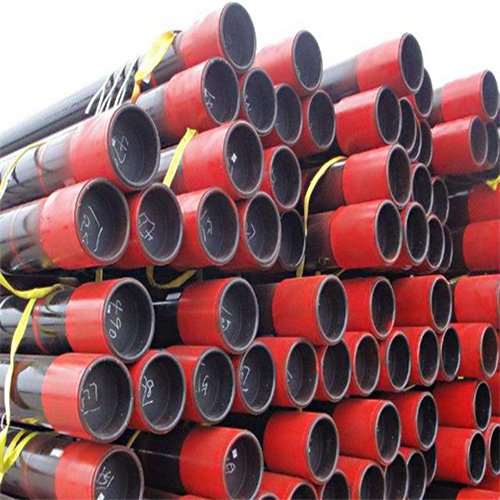
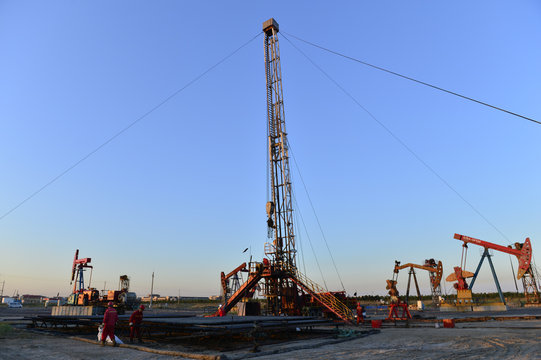
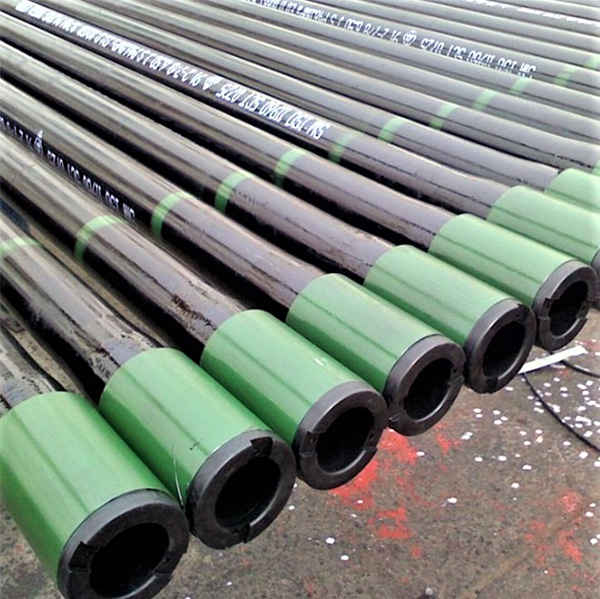
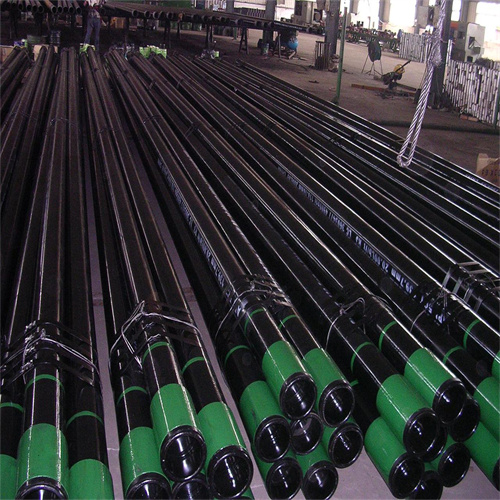
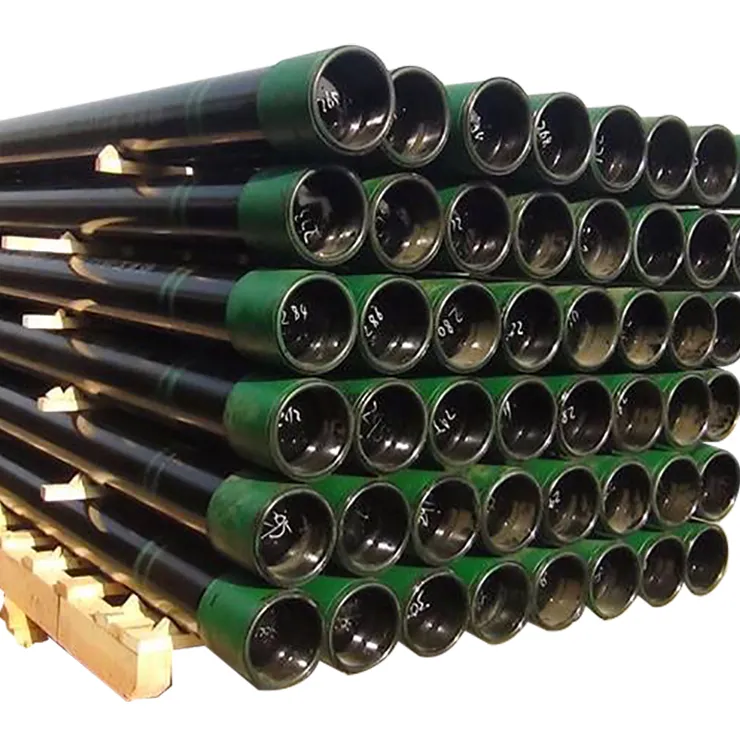
At its core, the oil casing market operates within the broader framework of supply and demand dynamics. The supply side is influenced by factors such as production levels, technological advancements in drilling techniques, and the availability of raw Materials required for manufacturing casings. Producers’ decisions, often driven by geopolitical events, regulatory policies, and economic incentives, also play a crucial role in sh APIng supply conditions.
Steel Tubing Best chinese FactoryConversely, the demand for oil casings is primarily driven by the exploration and production activities in the Oil and Gas industry. Economic growth trends, energy consumption patterns, and technological advancements in extraction methods all contribute to fluctuations in demand. Additionally, the cyclic nature of investment in oil and gas exploration projects can lead to periods of increased or decreased demand for oil casings.
The interaction between supply and demand creates a delicate equilibrium that is easily disrupted by external shocks and internal adjustments. Geopolitical tensions, natural disasters, and regulatory changes can all trigger sudden shifts in supply or demand, thereby impacting market prices. For instance, geopolitical instability in major oil-producing regions can disrupt supply chains and lead to price spikes due to perceived supply shortages.
Moreover, technological advancements in drilling techniques, such as hydraulic fracturing (fracking), have transformed the global energy landscape. These innovations have enabled the extraction of previously inaccessible oil reserves but have also introduced new complexities to supply dynamics. The efficiency gains from these technologies can lead to increased production capacity, thereby influencing market supply and, consequently, prices.
On the demand side, economic cycles and global energy policies also exert significant influence. During periods of economic expansion, demand for energy typically rises, leading to increased exploration activities and higher demand for oil casings. Conversely, economic downturns can dampen energy demand, leading to reduced investment in oil and gas projects and subsequently impacting casing demand.
Market sentiment and investor expectations further contribute to price volatility in the oil casing market. Speculative trading, futures contracts, and hedging strategies can amplify price movements, creating both opportunities and risks for market participants. The interconnected nature of global financial markets means that developments in other asset classes, such as currencies and commodities, can also spill over into the oil casing market, influencing prices.
In summary, the variability, instability, and volatility of oil casing market prices are driven by a complex interplay of supply and demand dynamics, shaped by technological advancements, geopolitical factors, economic cycles, and market sentiment. Understanding these determinants is crucial for stakeholders in the energy sector, from producers and investors to policyMakers and consumers, as they navigate the challenges and opportunities presented by a dynamic global market environment.