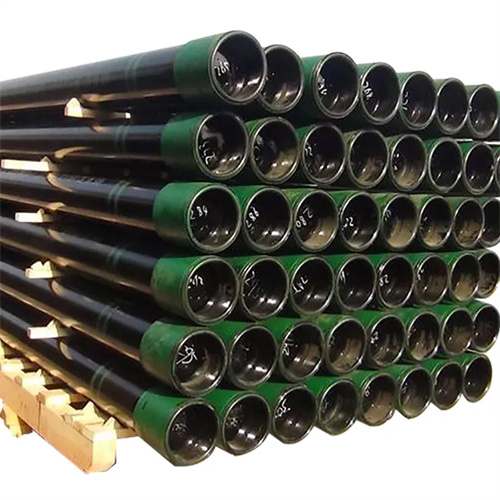
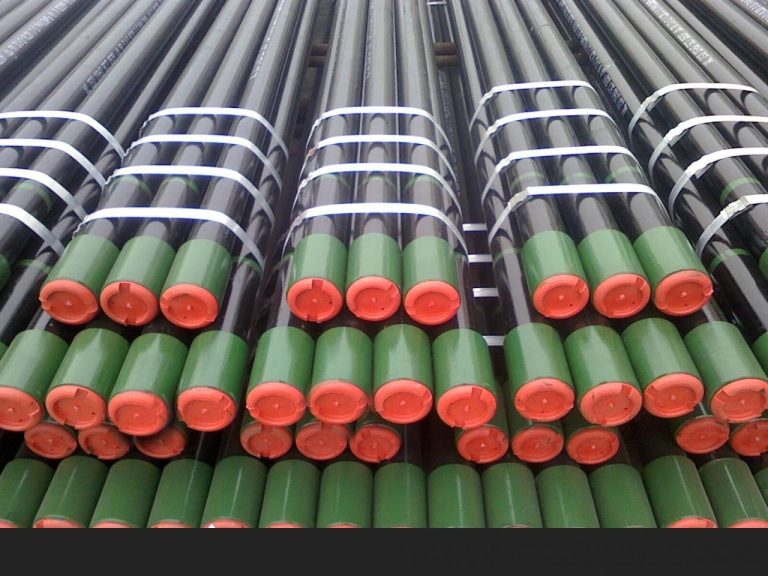
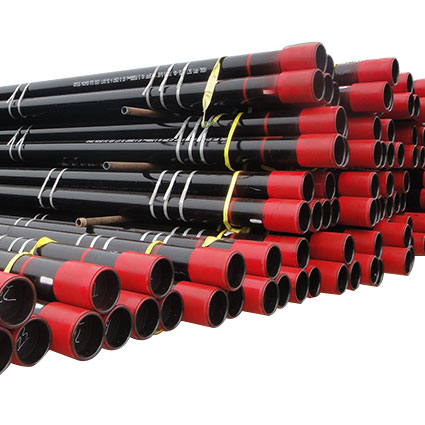
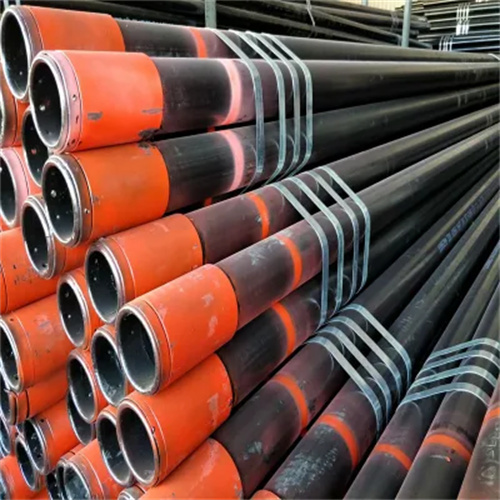
Threaded and Coupled Connections: Threaded and coupled connections are commonly used in Oil and Gas drilling operations. This type of Casing connection involves threading the Casing Pipe and Coupling together to create a secure connection. The threads on the casing pipe and coupling are designed to interlock, providing a tight Seal that prevents Leakage and ensures the integrity of the wellbore
Threaded and coupled connections play a crucial role in the oil and gas drilling industry. These types of casing connections are widely used to create secure connections between casing Pipes, ensuring the integrity of the wellbore and preventing leakage. In this article, we will explore the different types of casing connections, focusing specifically on threaded and coupled connections.
Threaded and coupled connections involve threading the casing pipe and coupling together to create a strong and reliable connection. The threads on the casing pipe and coupling are designed to interlock, providing a tight seal that prevents any potential leaks. This is of utmost importance in oil and gas drilling operations, as any leakage could lead to environmental contamination or safety hazards.
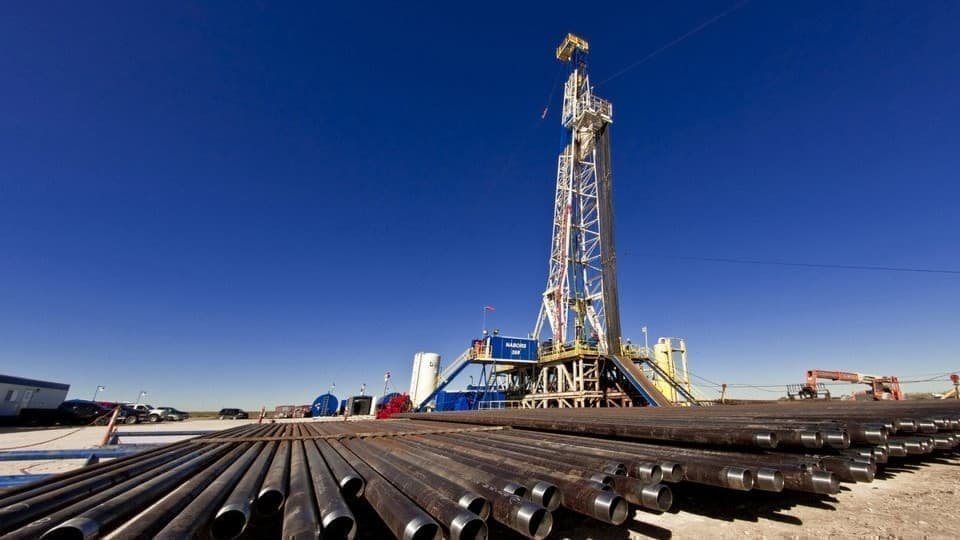
One of the key advantages of threaded and coupled connections is their versatility. They can be used in various drilling environments, including onshore and offshore operations. Additionally, these connections can withstand high pressure and extreme temperatures, making them suitable for challenging drilling conditions.
Glass JarAnother significant benefit of threaded and coupled connections is their ease of installation. They can be quickly assembled and disassembled, allowing for efficient casing operations. This is particularly important in drilling projects where time is of the essence. Moreover, threaded and coupled connections can be easily inspected, ensuring that the connection remains intact and secure throughout the drilling process.
Furthermore, threaded and coupled connections offer enhanced resistance to external forces. The interlocking threads provide additional strength, enabling the casing to withstand the Weight of the drilling equipment and any external pressures. This helps maintain the stability of the wellbore, reducing the risk of collapse or damage.
It is worth noting that there are various types of threaded and coupled connections available in the market. These connections may differ in terms of thread design, Material composition, and performance capabilities. It is crucial for operators to select the appropriate connection type based on the specific drilling requirements and environmental conditions.
 In conclusion, threaded and coupled connections are essential components in oil and gas drilling operations. They provide a secure and reliable connection between casing pipes, ensuring the integrity of the wellbore and preventing leakage. These connections offer versatility, ease of installation, resistance to external forces, and enhanced stability. By understanding the different types of casing connections and their capabilities, drilling operators can make informed decisions to optimize drilling performance and ensure the safety and success of their operations.
casing pipe,casing well pipe, casing supreme pipe, casing vs carrier pipe, casing for ac pipe, casing Steel Pipe, casing pipe size, casing pvc pipe Price, casing pipe, casing pipe Suppliers in china, casing capping pipe, casing drill pipe,carrier pipe,casing pipe size,bushing flange,bushing Sleeve,bushing,bushing arm,bushing bearing,bushing reducer,bushing tool,bushing pvc,bushing meaning