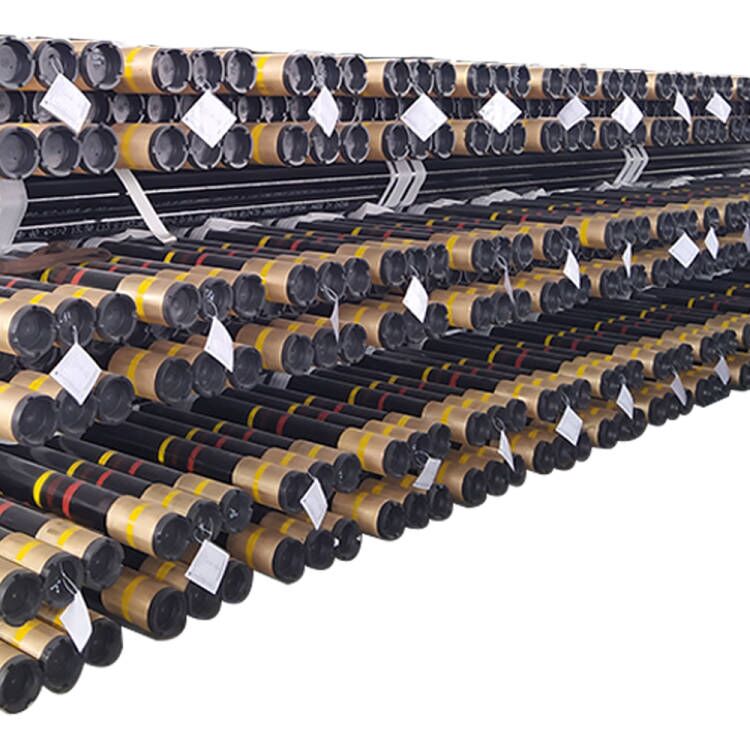
Understanding the Standard Sizes of Oil Well Casing: A Comprehensive Guide
What are the revealed range of sizes for Oil Well casing?
Understanding the Standard Sizes of Oil Well Casing: A Comprehensive Guide
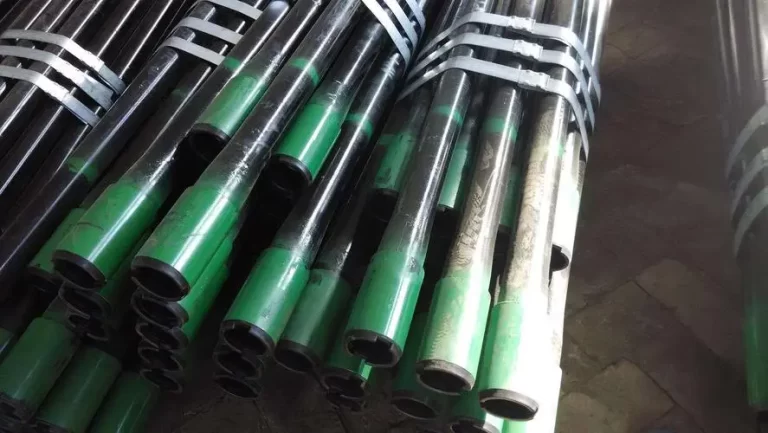
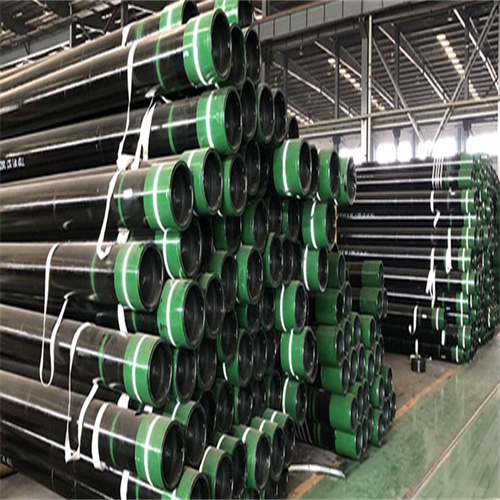
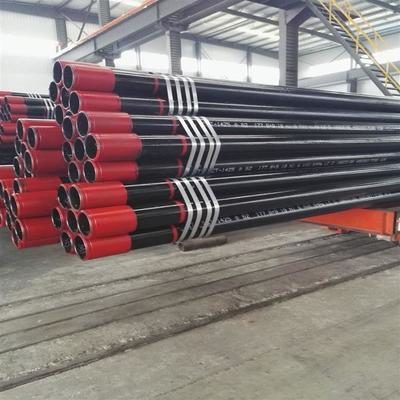
Oil well casing plays a crucial role in the extraction and Maintenance of Oil and Gas wells. These tubular components, typically made of Steel, are essential for supporting the wellbore and preventing its collapse. One of the fundamental aspects of oil well casing is its size, which is standardized to ensure compatibility with drilling equipment and operational safety. Let’s delve into the revealed range of sizes for oil well casing and the significance of these standards in the Petroleum Industry.
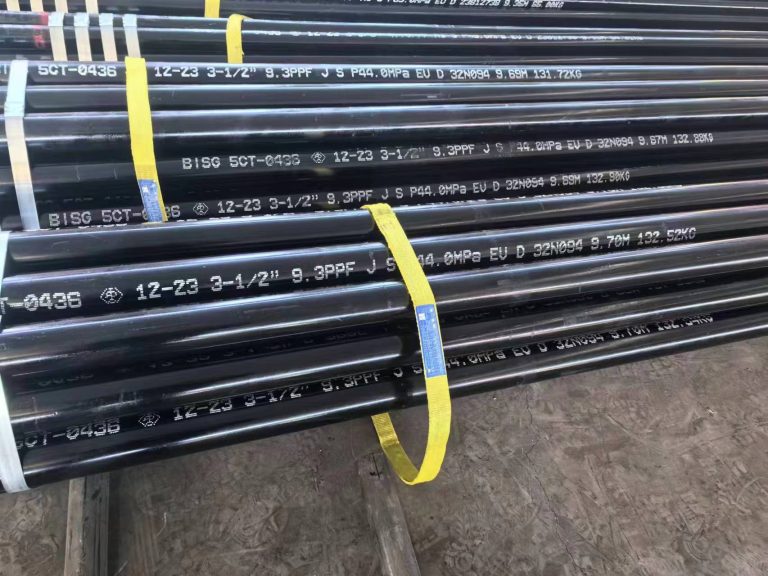
Oil well casing sizes are designated by their nominal outer Diameter (OD) and are categorized into different specifications based on their Wall thickness and Weight per unit Length. Commonly used casing sizes range from 4.5 inches to 20 inches OD, with variations in wall thickness to accommodate different well depths and downhole conditions. The American Petroleum Institute ( API) sets the standards for these sizes, ensuring uniformity across the industry.
The smallest casing sizes, starting from 4.5 inches OD, are typically used in shallow wells or as surface casing to protect freshwater aquifers from contamination. As the well depth increases or when drilling through challenging formations, larger casing sizes are employed. For instance, 7-inch and 9\\u215d-inch casings are often used in intermediate sections of the well to provide structural integrity and isolate various zones.
In deeper wells or tHose subjected to high pressure and temperature conditions, larger casing sizes such as 13\\u215c inches and 20 inches OD are utilized. These larger casings not only provide structural support but also serve as conduits for Cementing operations that Seal the Annulus between the casing and the borehole wall, preventing fluid migration and ensuring well integrity.
The selection of casing size is a critical decision in well design and is influenced by factors such as well depth, formation characteristics, expected downhole pressures, and regulatory requirements. Engineers carefully evaluate these factors to determine the appropriate casing program that balances cost-effectiveness with operational safety and environmental protection.
Furthermore, casing sizes are also classified by their grades, which denote the Material composition and mechanical properties of the steel used. Higher grades of casing are employed in more demanding environments where Corrosion resistance, tensile strength, and ductility are paramount.
iPhone 11 PRO Max CoversStandardization of casing sizes simplifies equipment compatibility and ensures interchangeability across different drilling operations. This uniformity is essential for drilling contractors and operators who may work across various geographic regions and geological formations.
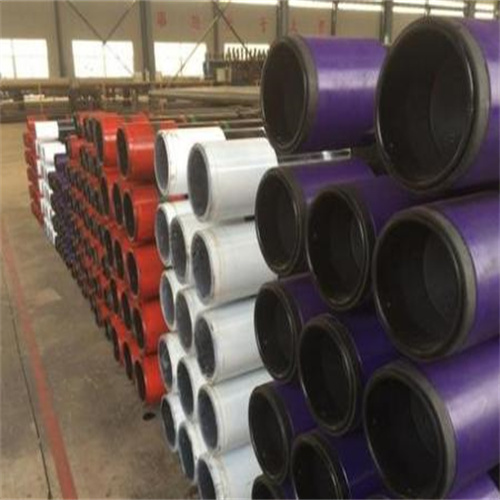
In conclusion, the range of sizes for oil well casing spans from 4.5 inches to 20 inches OD, with varying wall thicknesses to suit different well conditions and depths. These sizes are standardized by organizations like the API to promote safety, efficiency, and environmental stewardship in oil and gas exploration and production. Understanding the significance of casing sizes helps stakeholders in the petroleum industry make informed decisions that optimize well performance and mitigate risks associated with drilling operations.
As technologies evolve and new challenges arise in the energy sector, the adaptability and reliability of standardized casing sizes remain pivotal in sustaining the industry’s growth and resilience. By adhering to these standards, stakeholders uphold a commitment to excellence and sustainability in the exploration and extraction of oil and gas resources worldwide.
Exploring Variations in Oil Well Casing Sizes: How Different Specifications Impact Operations
Oil well casing sizes play a critical role in the extraction and production processes within the petroleum industry. These tubular Steel Pipes are essential for maintaining the integrity of the wellbore, providing structural support, and ensuring the efficient extraction of oil and gas reserves from deep underground reservoirs. Understanding the range of sizes available and the implications of different specifications is crucial for oil Companies and drilling engineers alike.
The sizes of oil well casings vary significantly, ranging from relatively small diameters to large dimensions, depending on the specific requirements of each well and the geological conditions encountered. Commonly, casing sizes are categorized based on their outer diameter and are designated in inches, such as 4 \\u00bd inches, 5 \\u00bd inches, 7 inches, and so forth. These measurements are standardized to ensure compatibility with various well designs and drilling equipment.
The selection of casing size is influenced by several factors, including the depth of the well, the pressure and temperature conditions downhole, and the characteristics of the formations being drilled. Deeper wells typically require larger casing sizes to withstand higher pressures and provide sufficient strength to support the weight of the drilling equipment and the casing itself.
Moreover, the choice of casing size also impacts the overall cost and efficiency of drilling operations. Larger casings generally increase drilling costs due to higher material and transportation expenses. On the other hand, smaller casings may limit the flow capacity of the well and could require additional Casing strings to be installed sequentially during drilling, adding complexity and time to the operation.
In addition to outer diameter, the thickness of the casing wall, referred to as its gauge, is another critical specification. Thicker walls enhance the casing’s structural integrity and resistance to external forces and corrosion, thereby prolonging the life of the well and reducing maintenance requirements. However, thicker walls also increase the weight and cost of the casing, which must be balanced against the benefits they provide.
Oil companies and drilling engineers must carefully evaluate these factors when selecting casing sizes to optimize well performance and longevity while minimizing operational costs. Computer simulations and engineering analyses are often employed to predict the behavior of different casing designs under varying downhole conditions, ensuring that the selected casings meet safety standards and regulatory requirements.
Furthermore, advancements in materials science and manufacturing technology contiNue to influence casing size specifications. New alloys and manufacturing techniques enable the production of lighter yet stronger casings that can withstand extreme downhole conditions more effectively. These innovations contribute to the development of more efficient and cost-effective drilling operations, supporting the sustainable extraction of oil and gas resources worldwide.
In conclusion, the range of sizes for oil well casings reflects the diverse challenges and requirements encountered in the petroleum industry. From smaller diameters suitable for shallow wells to larger dimensions necessary for deep offshore drilling, each casing size is chosen deliberately to balance operational needs, economic considerations, and environmental sustainability. By understanding these variations and their implications, oil companies can make informed decisions that enhance the safety, efficiency, and profitability of their drilling endeavors.