Supply and Demand Dynamics
The dynamics of supply and demand play a crucial role in determining the market Price fluctuations of Oil Casing, a vital component in the Oil and Gas industry. Understanding these dynamics requires a comprehensive analysis of various factors that influence both supply and demand, as well as how they interact with one another. At the core of this relationship lies the principle that when demand for oil casing increases, prices tend to rise, provided that supply remains constant. Conversely, if supply exceeds demand, prices are likely to fall. This fundamental economic principle is further complicated by external factors such as geopolitical events, technological advancements, and market speculation.
Flexible Temperature Oil Resistant Heat Food grade Peristaltic Pump Silicone TubeOne significant factor affecting demand for oil casing is the overall health of the oil and gas industry. When oil prices are high, exploration and production activities tend to increase, leading to a higher demand for oil casing. This heightened demand can be attributed to the need for drilling new wells and maintaining existing ones. Additionally, as countries seek to enhance their energy independence, investments in domestic oil production can lead to increased demand for oil casing. However, fluctuations in global oil prices can create uncertainty, causing Companies to adjust their spending on drilling projects, which in turn affects the demand for oil casing.
On the supply side, the availability of raw Materials and production capacity are critical factors. The production of oil casing is heavily reliant on the availability of Steel and other materials, which can be influenced by global supply chain disruptions. For instance, if there is a shortage of steel due to trade restrictions or natural disasters, the production of oil casing may be hindered, leading to a decrease in supply. Furthermore, the capacity of Manufacturers to produce oil casing can also impact market prices. If manufacturers are operating at full capacity, they may struggle to meet sudden spikes in demand, resulting in price increases. Conversely, if there is excess production capacity, prices may stabilize or decline.
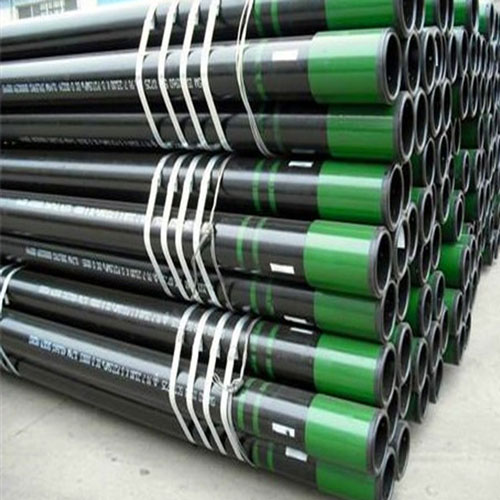 Another important aspect to consider is the role of technological advancements in both supply and demand dynamics. innovations in drilling techniques, such as hydraulic fracturing and horizontal drilling, have significantly increased the efficiency of oil extraction. These advancements can lead to a surge in production, thereby increasing the supply of oil casing. However, as production techniques improve, the cost of extraction may decrease, potentially leading to lower oil prices. This scenario can create a feedback loop where lower prices reduce the incentive for new investments in oil casing, ultimately affecting demand.
Market speculation also plays a pivotal role in the cyclical patterns of oil casing Prices. Traders and investors often react to news and trends, which can lead to r APId price fluctuations. For example, if there is speculation about a potential conflict in a major oil-producing region, traders may anticipate supply disruptions and drive prices up, regardless of the actual supply and demand situation. This speculative behavior can create volatility in the market, making it challenging for manufacturers and consumers to make informed decisions.
In conclusion, the interplay between supply and demand dynamics is fundamental to understanding the cyclical patterns of market price fluctuations in oil casing. Various factors, including industry health, raw material availability, technological advancements, and market speculation, all contribute to this complex relationship. As the oil and gas industry contiNues to evolve, staying attuned to these dynamics will be essential for stakeholders seeking to navigate the challenges and opportunities presented by the market.