Understanding the Standard Sizes of Oil Well Casings
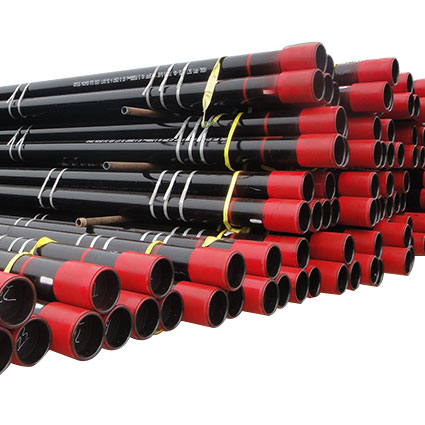
Oil Well casing is an integral part of an oil well, which is designed to shield and protect the wellbore. The casing sizes are crucial in determining the well’s structural integrity and are subsequent production capabilities.
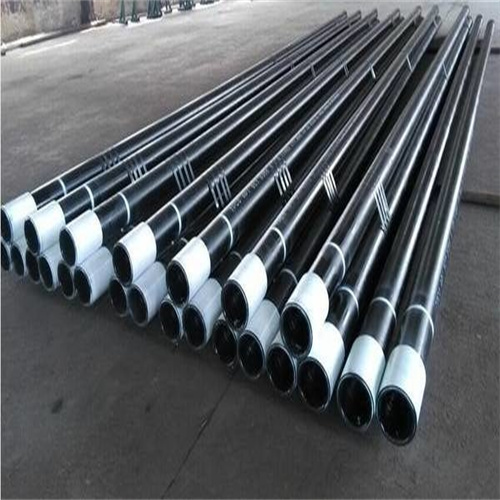
An oil well casing or Pipe is typically made of Steel and acts as a barrier, safeguarding the well’s walls against pressure and abrasive elements inherent in the drilling process. Oil well casings come in varying sizes, with the standard dimensions used worldwide regulated by the American Petroleum Institute ( API).
Among the most common casing sizes are 9 5/8 inches, 7 inches, and 4 \\u00bd inches. The 9 5/8 inches casing, often called “surface casing,” is primarily used as a structural component of the well. Its Diameter is typically wider than the other casings, serving to strengthen the wellbore. It’s also responsible for protecting freshwater zones as the drilling begins.
The 7 inches casing, known as “Production casing,\\u201d is installed inside the surface casing. The production casing plays a crucial role in facilitating the production process right from production zones to the surface.
The smallest of the standard sizes is the 4 1/2 inches casing, termed the “liner.” The liner casing is designed to extend from the bottom of the production casing deeper into the wellbore but doesn\\u2019t come up to the surface like the other casings.
However, the casing size is not a one-size-fits-all kind of application; the decision becomes more nuanced based on factors like the wellbore depth, formation pressure, and drilling mud Weight. For instance, drilling a deeper well would necessitate larger and thicker casings. The casing size also dictates the size of the drilling bit; smaller casings require smaller bits.
In oil well drilling, from a wide open hole, the casing sizes decrease until the target depth is reached. For more complex operations like shale or deep water drilling, multiple layers of smaller and smaller casings are drilled in descending order, but the same sizes remain standard.
Besides the mentioned standard sizes, there are other casing size categories like conductor, intermediate, and casing liner, offering a range of dimensions.
It’s also important to remember that apart from the internal and external diameter, another essential aspect to consider is the thickness of the casing, known as the casing weight. It is read as the weight per foot, and the thicker the casing, the more weight it can withstand from the rocks and soil above it.
In conclusion, the design and size of oil well casings are crucial in the oil extraction process. Understanding the different standard sizes of casings such as surface casing, production casing, and liner casing, regulated by the API, is fundamental for efficient and safe extractions.
While these mentioned sizes are standard, the choice of casing size is largely a detailed decision based on the well depth, formation pressure, and drilling mud weight.
An Examination of Typical Oil Well Casing Sizes: A Comprehensive Breakdown
Well drilling is a complex operation that carries with it a tremendous amount of risk if not properly contained. One of the measures to mitigate this risk is the use of oil well casings, which play a critical role in maintaining the stability of the wellbore, preventing contamination of groundwater, and ensuring the efficient production of oil or Gas.
Oil well casing sizes vary considerably depending on the depth and the geological structure of the well location. These casing sizes, which are also specified by the American Petroleum Institute (API), significantly affect the design and overall operation of the drilling process.
The first casing to be set in an oil well is termed the conductor pipe. Usually, this casing comes in size ranges from 16 to 30 inches in diameter. This giant pipe is set into the ground to prevent the top soil and loose formations from caving in and obstructing the wellbore.
Next is the surface casing, which is typically smaller than the conductor pipe, with diameters ranging from 12 to 20 inches. This casing’s main function is to isolate freshwater zones from being contaminated by the drilling and production fluids. Additionally, the surface casing provides a stable base for the blowout preventer (BOP) assembly, a critical safety device used during drilling operations to close off the well in an emergency.
Following the surface casing, the intermediate casing is run. As the name suggests, the intermediate casing comes in between the surface and production casing. It is usually set through the troublesome shale or salt formations that can cause well control problems. The typical sizes of intermediate casings range from 9 to 13 inches.
The final Casing string set in the well is the production casing. This casing keeps the hydrocarbons reaching the surface during the production phase from interacting with the surrounding formations, which could lead to potential loss or contamination. This is commonly the smallest casing in the well, generally falling between 4 to 9 inches in diameter.
In certain circumstances, a liner might be used instead of a full-Length casing, where the casing does not extend all the way to the top of the well. Liners are similar to casing but shorter, and are used to isolate the producing formations while reducing Material costs. They typically range from 2 \\u215e inches to 7 inches in diameter.
To implement an effective drilling strategy, drilling engineers need to have an intimate understanding of casing sizes. The appropriate selection can drastically reduce costs and improve safety and efficiency in the drilling process, making it a critical element in the drilling industry.
In conclusion, each casing size has a specific role to play in the drilling operation, contributing to the overall success of the project. Regardless of the numerous challenges that well drilling presents, the use of well-designed and properly sized casing can ensure an efficient and risk-averse procedure.
Demystifying Oil Drilling: A Look at Typical Casing Sizes in Oil Wells
Demystifying Oil Drilling: A Look at Typical Casing Sizes in Oil Wells
The oil drilling process is an intricate and complex operation. Central to this process, and often overlooked, is the use of oil well casings. Oil well casings are large tubes inserted in the well to prevent it from collapsing and to ensure a safe conduit for extracted oil, gas, and brine. The size of an oil well casing, thus, is a critical component to discuss in order to truly understand oil well drilling.
To establish a baseline for our discourse, oil well casing dimensions are classified based on their nominal diameter, measured in inches. Sizes ranging from 4.5 inches to 20 inches are commonly used, but the selection of a specific size depends on the specific drilling operation’s requirements.
Exploratory or ‘wildcat’ wells, which are drilled in areas where oil is yet to be found, use larger casing sizes. These wells often employ 20-inch casings in the primary stage to cover the shallow surface formations and provide structural support for the equipment installed above the wellbore. As the drilling progresses deeper into the crust, the casing size decreases to effectively manage the Differences in underground stress and pressure.

When it comes to production wells, diameters typically range from 7 to 9.625 inches. These wells establish a stable, long-lasting conduit for the extraction of oil or gas. The casing size in such operations takes into consideration the expected production rates and reservoir characteristics, amongst other factors. That said, the smallest casing, often referred to as the production casing or oil string, is customarily set at 2 7/8 to 4.5 inches.
It’s important to note that the industry standard casing sizes have not been pulled from the air. They have been strategically established due to various well drilling conditions, casing handling abilities, and economic considerations. The casing’s diameter directly affects the drilling fluid\\u2019s volume and pressure maintaining capabilities. Large diameter casings can handle higher pressure differentials, whereas small diameter casings offer more precise control over the drilling fluid.
Moreover, casing size also impacts the choice of downhole equipment such as hanger systems, packing tools, and perforating guns, all essential for successful well operation. Hence, understanding these casing sizes, purposes and how they fit into larger oil drilling operations is crucial to the effectiveness of oil exploration and production.
However, casing sizes in oil wells are not fixed and may vary depending on the specific conditions of each drilling operation. Factors such as the nature of the reservoir, drilling depth, temperature and pressure conditions, and economic considerations often determine the ideal casing size and number.
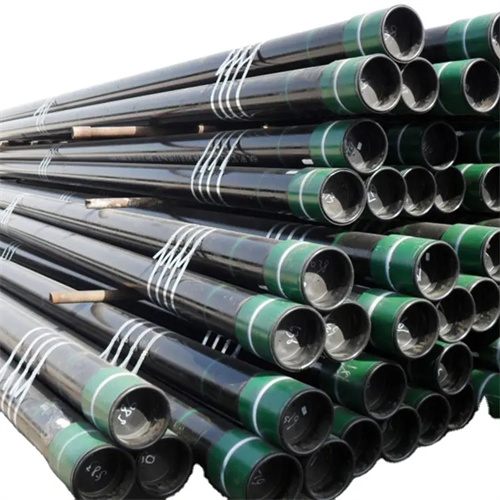
api 5ct C90 CASING china Best wholesalersTo conclude, the typical sizes of oil well casing play significant roles in the oil drilling process, contributing dramatically to drilling efficiency, safety, and overall success. They ensure stability, control drilling pressure, protect groundwater, and importantly, provide an efficient conduit for the valuable oil or gas being extracted. Understanding these sizes is thus integral to appreciating the complexities and operational nuances of the oil drilling process.